
24/7 Customer Support

Free returns

Same-day & Next-day Delivery

Quality Guaranteed

Unlock Your Welcome Offers: FREE Delivery | Up to 80% OFF | Free 30-day JoyPlus trial
Download the APP
Navigating the world of Asian noodles can feel overwhelming. You stand in the aisle, or browse online, faced with dozens of packets. They all look similar, yet the labels mention everything from mung beans to sweet potatoes. Which one is right for the spicy hot pot you're planning? And which will work for a refreshing summer salad?
As the Joybuy Product Recommendation Officer, my role is to help you make sense of these choices. This guide is designed to cut through the confusion, explaining the key differences between various types of glass noodles and helping you select the perfect packet for your next culinary creation. We will explore some popular options available in the UK, focusing on their texture, cooking properties and ideal uses.
Before we look at specific products, here are a few practical tips to keep in mind when shopping. Understanding these basics will help you pick the right noodles every time.
The term "glass noodles" is an umbrella category for a variety of noodles made from different plant starches. The source of the starch is the single most important factor determining the noodle's texture and behaviour in a dish.
Different noodles are suited for different cooking methods.
Many varieties are naturally gluten-free noodles, making them a great alternative to wheat-based pasta. However, this is not a universal rule. Some products, particularly mixed-starch noodles like certain types of fern root noodles, may include wheat starch to achieve a specific texture. Always check the ingredients list on the packaging if you have a gluten allergy or intolerance.
Here are a few standout options that showcase the versatility of glass noodles, each suited for different tastes and culinary applications.

Why It Stands Out: Made from high-quality pea starch, these are classic bean thread noodles. They become beautifully translucent when cooked, offering a smooth and satisfyingly slurpable texture. They are particularly good at soaking up the flavours of whatever they are cooked with, from a simple soy dressing to a rich, savoury broth.
Pros:
Who is it for? This is a pantry essential for anyone who enjoys making traditional Chinese dishes like 'Ants Climbing a Tree' (Ma Yi Shang Shu), cold noodle salads or light, brothy soups.
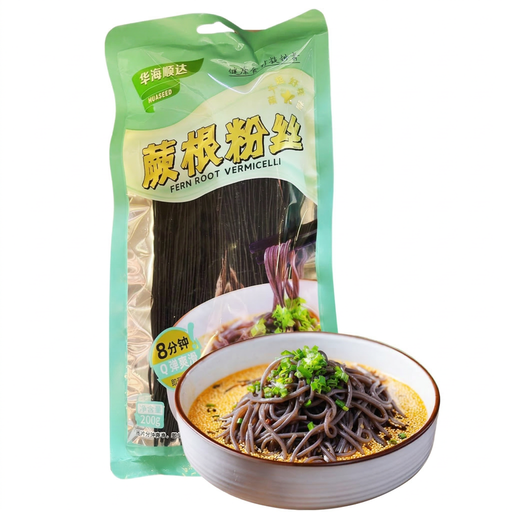
Why It Stands Out: If you're looking for something different, these fern root noodles are an excellent choice. Made primarily from wild fern root starch, they have a striking dark colour and a uniquely firm, chewy texture that is very satisfying. They are also resistant to overcooking, making them quite forgiving for beginners.
Pros:
Who is it for? For the adventurous home cook wanting to explore different textures and flavours in their Asian cooking. They are particularly popular in Sichuan-style cold dishes tossed with a spicy, vinegary dressing. Please note, this product contains wheat.
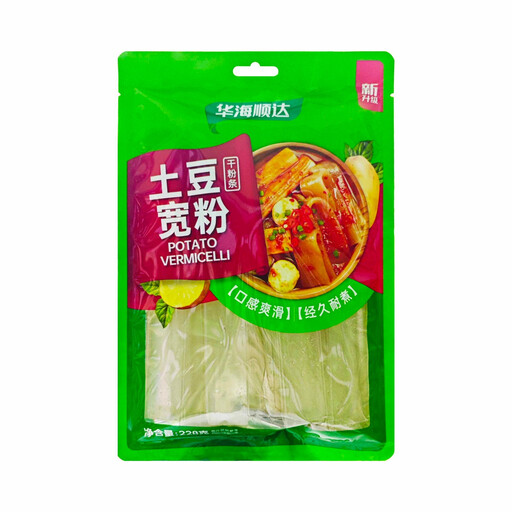
Why It Stands Out: This potato vermicelli is a fantastic all-rounder. Made from 80% potato starch, these noodles become crystal clear and develop a wonderfully springy and chewy texture when cooked. Their ability to withstand heat makes them a reliable choice for simmering in hearty stews or a bubbling hot pot.
Pros:
Who is it for? Perfect for hot pot lovers and anyone making slow-cooked Chinese or Korean dishes. Their robust nature ensures they remain perfectly chewy right to the last bite.
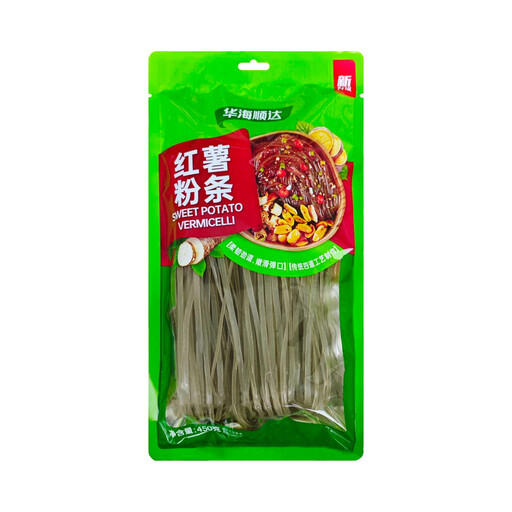
Why It Stands Out: These are the quintessential chewy noodles that many associate with Korean dishes like Japchae. Made primarily from sweet potato starch, they are noticeably thicker and more substantial than other glass noodles. They offer a deeply satisfying, bouncy chew that is incredibly moreish.
Pros:
Who is it for? An essential ingredient for anyone making Korean cuisine, especially Japchae. They are also a top-tier choice for adding a substantial, chewy element to any hot pot or stir-fry.
While these recommendations cover some of the most popular types of glass noodles, the world of Asian pantry staples is vast. If you're searching for other noodle varieties, grains or unique ingredients for your kitchen, our broader collection has much more to offer.
Explore our complete collection of Noodles, Rice & Grains to find the perfect ingredients for your next meal.
1. Are all glass noodles gluten-free? Not always. While many varieties made from pure mung bean, sweet potato or potato starch are naturally gluten-free noodles, some products may contain wheat starch for textural purposes. It is always best practice to check the ingredients list on the packaging, especially if you have a gluten intolerance or coeliac disease.
2. How do you cook glass noodles so they don't get sticky? The key is to avoid overcooking and to rinse them after boiling. Most glass noodles only need a short soak in hot water or a few minutes in boiling water. Once they are cooked to your desired tenderness, drain them and immediately rinse under cold running water. This halts the cooking process and washes away excess surface starch, preventing the noodles from clumping together.
3. What is the difference between glass noodles and rice vermicelli? The primary difference is the core ingredient. Glass noodles, also known as cellophane noodles or bean thread noodles, are made from various starches (mung bean, potato, sweet potato) and become translucent or "glassy" when cooked. Rice vermicelli is made from rice flour and remains an opaque white colour after cooking. They have distinct textures and are used differently across Asian cuisines.