
24/7 Customer Support

Free returns

Same-day & Next-day Delivery

Quality Guaranteed

Unlock Your Welcome Offers: FREE Delivery | Up to 80% OFF | Free 30-day JoyPlus trial
Download the APP
Navigating the world of Asian noodles can be a delightful journey, but the term "glass noodles" often causes confusion for UK home cooks. You might be planning a bubbling hot pot or a speedy stir-fry, only to find your noodles turn into a disappointing, mushy clump. Many shoppers find themselves buying the wrong type, leading to a meal that doesn't quite hit the mark.
As the Joybuy Product Recommendation Officer, my role is to help you see past the confusing packaging and select the right product for your kitchen. This guide will clarify the common pitfalls and break down the essential factors to consider, ensuring your next noodle dish has the perfect texture and taste.
Before you add a pack to your basket, be aware of these frequent traps that can lead to wasted money and culinary frustration.
The secret to choosing the right glass noodles lies in one primary factor: the starch they are made from. This determines their texture, cooking properties and suitability for your dish.
The two most prevalent types of starch used for authentic Asian noodles offer very different eating experiences.
Your choice between dried and fresh noodles often comes down to convenience and intended use.
To help you choose, we've matched some popular options to different cooking styles and needs.
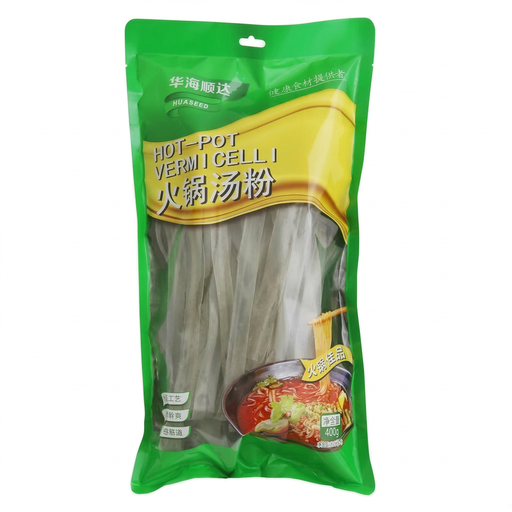
Why This Fits Their Persona: For anyone serious about their hot pot nights in the UK, having a noodle that doesn't fall apart is non-negotiable. This product is designed specifically for that purpose, providing the classic chewy texture that hot pot lovers expect.
It directly solves the "mushy noodle" problem. Made from sweet potato starch, it is described as heat-resistant and won't become mushy, even after simmering in broth.
Its primary advantage is its texture and durability in hot liquids, making it the ideal choice for communal hot pot gatherings where noodles may sit in the pot for a while.
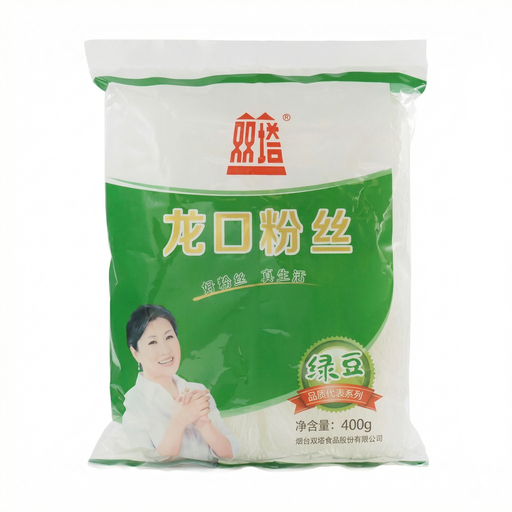
Why This Fits Their Persona: This cook needs a reliable, high-quality pantry staple that works for everything from a quick weekday stir-fry to a weekend soup. They value authenticity and versatility over single-use ingredients.
It avoids the "vague label" trap. The ingredients are clearly stated as a blend of mung bean starch (69%) and pea starch, which is characteristic of authentic Longkou vermicelli.
Its fine, springy texture is highly versatile. It cooks quickly and is suitable for salads, soups and stir-fries, making it an excellent all-rounder for any kitchen.
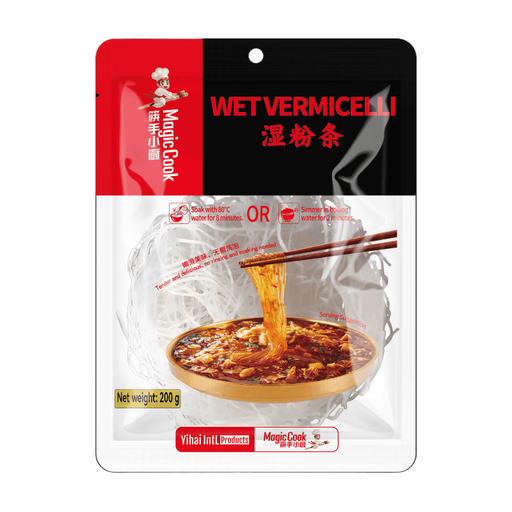
Why This Fits Their Persona: For busy professionals or families in the UK, spending 30 minutes soaking noodles isn't always practical. This fresh, ready-to-cook option from a well-known hot pot brand delivers flavour and convenience in one package.
This product eliminates any confusion about preparation. As a fresh, wet-packed noodle, it requires no soaking. The instructions are simple: rinse and add directly to your pot or pan.
The main benefit is speed. It drastically cuts down on prep time, making it possible to enjoy an authentic-tasting noodle dish on a busy weeknight without any forward planning.
We have compiled a complete, real-time list of products that fully satisfy these strict selection criteria and UK safety regulations.
Here are answers to a few common questions UK shoppers have about glass noodles.
Most traditional glass noodles made purely from mung bean starch, sweet potato starch or potato starch are naturally gluten-free. However, it is crucial to always check the ingredients list. Some modern or instant noodle varieties may be blended with wheat flour, or their included sauce packets might contain soy sauce made with wheat.
The best method is to rinse them under cold running water immediately after cooking. This removes excess surface starch and stops the cooking process, preventing them from becoming gummy and clumping together. If you are not using them right away, tossing the rinsed noodles with a teaspoon of neutral oil can also help keep the strands separate.
Absolutely. Sweet potato vermicelli works very well in stir-fries, providing a wonderful chewy contrast to crisp vegetables. Due to their thickness, it's best to prepare them first. Soak the dried noodles in warm water until they are pliable, then boil them for a few minutes until they are cooked but still firm (al dente). Drain them well before adding them to your wok for the final minute or two of cooking.