
24/7 Customer Support

Free returns

Same-day & Next-day Delivery

Quality Guaranteed

Unlock Your Welcome Offers: FREE Delivery | Up to 80% OFF | Free 30-day JoyPlus trial
Download the APP
"Glass noodles," "cellophane noodles," "vermicelli"—the names are often used interchangeably, but the noodles themselves are far from identical. If you've ever been disappointed by noodles that turned to mush in your hot pot or had the wrong texture for your stir-fry, you're not alone. Many UK home cooks find themselves navigating a confusing aisle, often falling for common pitfalls that lead to a less-than-perfect meal.
Before you add a pack to your basket, let's look at two frequent traps:
The secret to choosing the right glass noodles lies in the ingredients. The type of starch used dictates the noodle's texture, resilience and how it behaves when cooked.
Beyond the starch, consider the noodle's form.
As a Joybuy Product Recommendation Officer, my role is to help you find the right product for your needs. Here are a few options matched to different cooking styles, all of which have clear ingredient lists to help you avoid the common pitfalls.
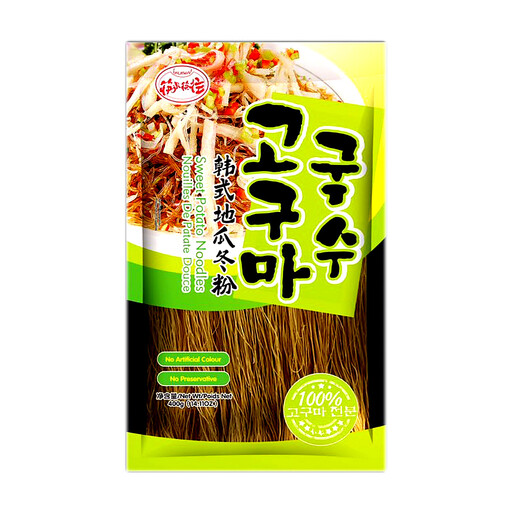
Why This Fits Their Persona: Ideal for the UK home cook who loves hosting hot pot nights or recreating authentic Korean japchae. They need a noodle that can withstand heat and deliver a satisfying, chewy bite.
This product is made from 98% sweet potato starch, making it incredibly resilient. It directly solves the "mushy noodle" problem in hot pot and won't break apart in a stir-fry.
Delivers a glossy appearance and a distinctively bouncy, chewy texture. It is also naturally gluten-free, making it a great choice for mixed dietary groups.
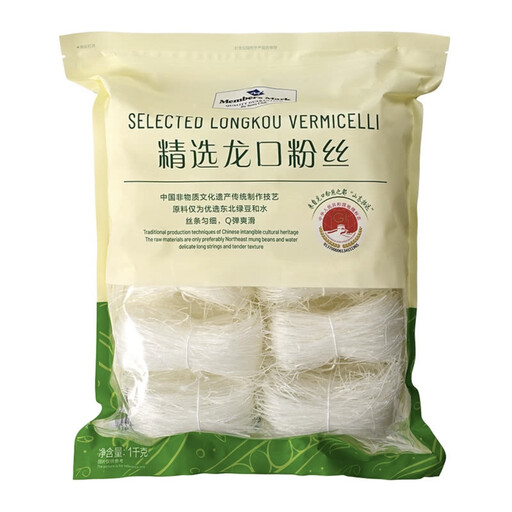
Why This Fits Their Persona: For the home cook who values high-quality, versatile and naturally gluten-free ingredients. They want a reliable pantry staple for authentic Chinese dishes like soups, salads and light stir-fries.
The label is exceptionally clear, stating ≥85% mung bean content and "Naturally gluten-free." This removes any guesswork about ingredients or potential allergens.
The high mung bean content ensures a classic firm, smooth and springy texture that doesn't easily break. It's a versatile and dependable choice for a wide range of recipes.
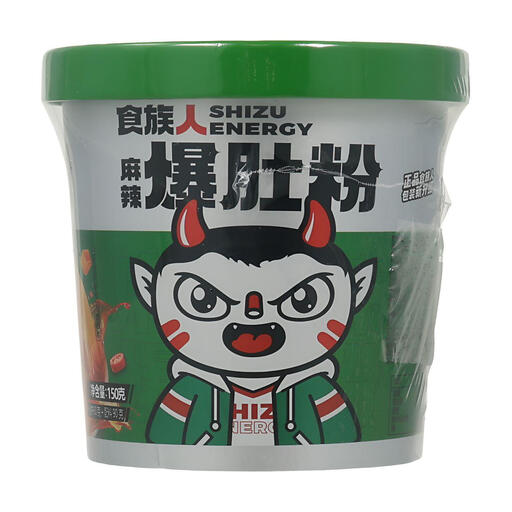
Why This Fits Their Persona: Perfect for a busy professional or student in the UK who craves an authentic, spicy noodle meal without the long prep time. They value flavour and convenience above all.
This is a complete meal kit, not just a pack of plain noodles. It solves the problem of "what do I cook with these?" by providing all the seasonings and toppings for a flavourful dish.
Includes real beef tripe and an authentic Mala spicy sauce for a quick, satisfying meal. Preparation is simple: just add hot water and wait a few minutes.
We have compiled a complete, real-time list of products that fully satisfy these strict selection criteria and UK safety regulations.
For most dried varieties, yes. Soaking in warm water for 15-20 minutes (or as per package instructions) rehydrates the noodles, ensuring they cook evenly and quickly. Skipping this step can result in a tough, undercooked centre. Fresh noodles, however, usually only require a quick rinse before being added directly to your dish.
Not necessarily. While traditional cellophane noodles made from mung bean starch or sweet potato starch are naturally gluten-free, some modern varieties use wheat starch. It is crucial to read the ingredient list on the packaging carefully, especially if you have coeliac disease or a gluten sensitivity.
A common issue! After boiling the noodles until they are just tender and translucent, immediately drain them and rinse thoroughly under cold running water. This washes off excess starch and stops the cooking process. For stir-fries or cold salads, tossing the rinsed noodles with a small amount of sesame or neutral oil will also help prevent clumping.