Private hosts making individual drinks
If you are preparing a few chilled smoothies to share privately at a car boot sale gathering, small capped glass bottles let you plan one serving per person. Check that you can transport and keep them chilled.


For individual homemade smoothies at a small private gathering, a 250ml or 300ml glass bottle with a twist-off lid gives each person a capped serving; a 500ml bottle makes more sense when people will share and you can serve it into cups while keeping it chilled. Ready-made smoothies in their original packaging involve less preparation, but if you plan to sell drinks, check the food-business, temperature-control and allergen-information requirements for your setup before trading.
If you are preparing a few chilled smoothies to share privately at a car boot sale gathering, small capped glass bottles let you plan one serving per person. Check that you can transport and keep them chilled.
If you intend to sell bottled drinks, establish whether your activity is a food business and how you will manage chilled storage and allergen information. Check the event organiser’s rules for glass containers too.
If making smoothies is not part of the plan, grocery ranges include larger ready-made bottles. A shared bottle still needs cups and a serving arrangement; check its label for storage and ingredient information.
Decide whether drinks will be handed out individually or served from a shared bottle, then plan packaging and storage around how they will be used.
| Priority | What to check | Your needs |
|---|---|---|
| Serving size | GlassBottles.co.uk lists 250ml and 300ml bottles with twist-off closures, as well as a 500ml capped bottle. Match the capacity to the intended serving and recipe yield. | I want to hand out one capped homemade drink at a time, rather than repeatedly opening a larger bottle. |
| Sharing | For a 500ml homemade bottle or a larger ready-made smoothie, plan cups, a serving point and how the drink will stay chilled while it is served. | A few people will share a bottle, so I need a way to pour servings without leaving it open. |
| Glass packaging | Confirm the material of the exact ready-made product if glass is essential. A supermarket listing that says ‘bottle’ does not establish its material; check the organiser’s glass rules as well. | The glass presentation matters to me, and I need to know whether glass containers are allowed at the event. |
| Chilled handling | Follow a ready-made drink’s storage label. For prepared drinks, plan cooling, refrigerated storage and temperature monitoring as needed for the operation, in line with Food Standards Agency MyHACCP guidance. | I need to keep drinks under appropriate conditions during transport and throughout the event, not just before leaving home. |
| Selling and labelling | If the activity is a food business, the Food Standards Agency says to register with the local authority at least 28 days before trading or food operations begin. For prepacked for direct sale food in England, Northern Ireland and Wales, GOV.UK specifies the food name and a full ingredients list with allergens emphasised. | If I sell prepared bottles, I need to check how and where they are packed, when customers select them, and which duties apply. |
| Preparation | Compare the work of making and bottling individual drinks with buying ready-made smoothies. Keep a retail drink’s original label available so its ingredients and storage directions can be checked. | I would rather bring ready-made drinks than prepare individual bottles, even if that means serving a larger bottle into cups. |
Grocery listings identify smoothie sizes without necessarily identifying the bottle material. That matters if the intended presentation depends on glass.
Check the exact product’s packaging before ordering. For homemade drinks, choose an empty glass bottle separately and check the event’s rules on glass.
A 500ml bottle used for several people needs cups and repeated pouring, unlike a capped individual serving.
Choose a 250ml or 300ml bottle for individual homemade portions, or plan chilled service from the larger bottle.
If the activity is a food business, the Food Standards Agency says registration with the local authority is required at least 28 days before trading or food operations begin. GOV.UK also sets labelling requirements for prepacked for direct sale food in England, Northern Ireland and Wales.
Ask the local authority about your trading arrangement and check with the organiser before selling. If you bottle drinks before customers select them, establish whether the prepacked for direct sale rules apply.
Glass presentation does not replace the cooling, storage or temperature controls needed for the drinks being served. Food Standards Agency MyHACCP guidance ties those facilities to the nature of the operation.
Plan transport and storage before deciding how many drinks to prepare, and follow the storage directions on ready-made products.
These ranges offer alternatives to making smoothies, but their inclusion does not establish that a particular drink comes in glass.
A ready-made fruit smoothie option for shoppers who would rather bring drinks in their original packaging.
A branded larger-bottle route for sharing rather than filling individual homemade bottles.
An own-label alternative when buying a larger ready-made fruit smoothie.
A ready-made smoothie range with more than one listed bottle size.
This ready-made individual smoothie is an option when you want to avoid preparing drinks yourself. If glass packaging is essential, confirm the bottle material before ordering.
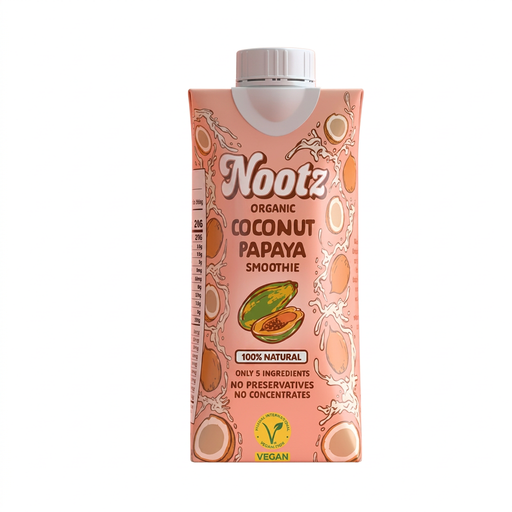 Image unavailable
The 180ml ready-made format suits an individual serving when you do not want to prepare smoothies. The product information recommends serving it chilled and refrigerating it after opening; check the label and plan storage for the event. Confirm the packaging material if you need glass.
Check whether your activity is a food business with the local authority and event organiser before selling. If it is, the Food Standards Agency says you must register with the local authority at least 28 days before trading or food operations begin; an occasional event is not, by itself, an answer to whether registration applies.
If a business packs smoothies where they are offered for sale before customers order or select them, check whether they are prepacked for direct sale. For that category in England, Northern Ireland and Wales, GOV.UK requires the food name and a full ingredients list with allergens emphasised. Other ways of selling prepared drinks still require appropriate allergen information, although the labelling route differs.
Plan the cooling, refrigerated storage and temperature monitoring needed for the drinks and your operation. Food Standards Agency MyHACCP guidance makes those facilities dependent on the food activity; follow the label on ready-made drinks and seek local-authority advice for a selling setup.
Do not assume so from the word ‘bottle’. Check the exact product page or packaging for its material before buying if you need glass for the car boot sale.
Start by comparing a 250ml and a 300ml bottle with a twist-off closure, both of which are listed by GlassBottles.co.uk. Choose between them using your recipe yield and intended serving size; a 500ml bottle is a different choice when the drink will be shared or poured into cups.