What matters at a desk lunch?
Start with the amount you would actually drink, then decide whether glass presentation outweighs the practicalities of using it at work.
| Priority | What to check | Your needs |
|---|
| Caffeine per serving |
Compare caffeine for the whole can or bottle, not just per 100 ml. Red Bull states 80 mg per 250 ml original can; Monster Energy UK states 150 mg per 500 ml Ultra can and 160 mg per 500 ml Original can. Check the exact pack when figures differ between a listing and a brand page. |
I want to know how much caffeine is in the drink I would finish at lunch, especially if I also have tea, coffee or cola that day. |
| Sugars |
Read the sugars figure for the exact variant and serving. Red Bull lists 27 g per 250 ml original can; Monster Energy UK lists 0 g per 500 ml Ultra can and 55 g per 500 ml Original can. “No added sugars” does not itself mean zero sugars. |
A zero-sugar label matters more to me than the container, or I want to compare the sugars in two drinks before deciding. |
| Glass at work |
Check workplace rules and where you would put and carry the bottle. UK government packaging guidance describes glass drinks containers as heavy and fragile; glass packaging does not establish a difference in caffeine or nutrition. |
I like the look of glass, but need a container I can handle comfortably during a short lunch at my desk. |
| Finding the format |
Confirm the bottle format, stock, delivery area and delivered label before ordering an imported product. MCR Snack Distro lists an imported 250 ml glass bottle; Tesco and Sainsbury's list standard energy-drink formats in their grocery ranges. |
If this will be a regular desk-lunch purchase, I would rather know whether I can obtain the same format again. |
Joybuy can-format options
These Joybuy options are cans for a desk lunch when a glass bottle is not essential. Compare the stated pack sizes and check the delivered label for the caffeine and sugars that matter to you.
 Image unavailable
Optimum Nutrition Amino Acids + Electrolytes Energy Drink, Tropical Flavour, 24 × 250 ml
The 250 ml serving size is relevant if you want a smaller drink at lunch and do not require glass. This is a 24-can pack; check the supplied label for its caffeine and sugars figures.
View on Joybuy
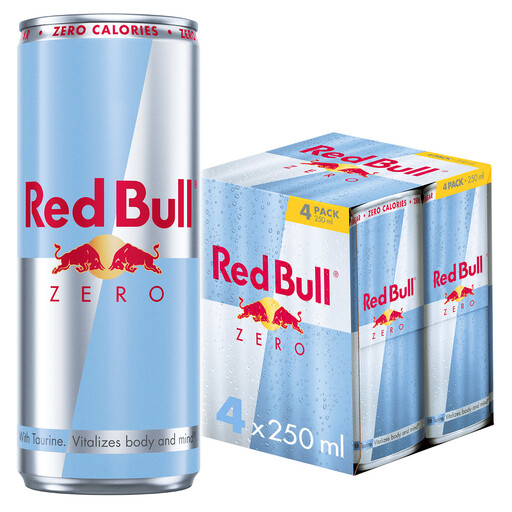 Image unavailable
Red Bull Zero, 4 × 250 ml
This four-pack offers a 250 ml can format if you want a compact alternative to glass. It is the Zero variant, not the original Red Bull drink used in the can-and-bottle comparison above; check its own caffeine and sugars label.
View on Joybuy
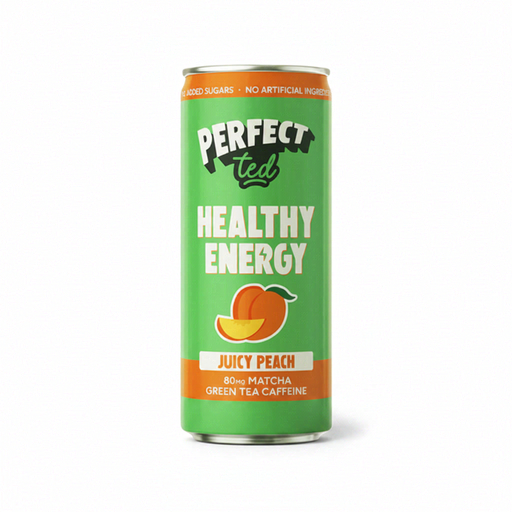 Image unavailable
PerfectTed Energy Juicy Peach, 4 × 250 ml
The four 250 ml cans offer another compact format when glass is optional. If a no-added-sugars description influences your choice, check the sugars figure separately: no added sugars does not mean zero sugars.
View on Joybuy
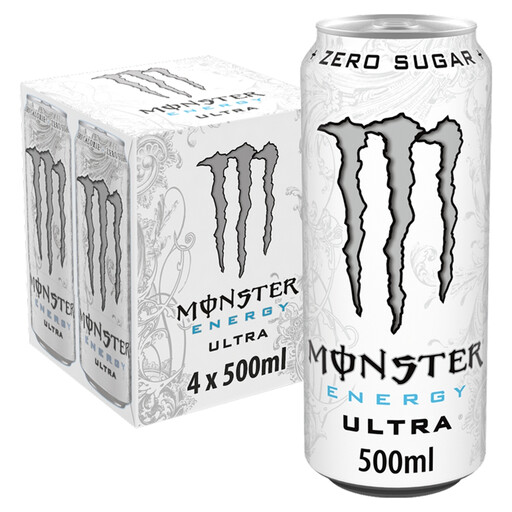 Image unavailable
Monster Energy Ultra Zero Sugar, 4 × 500 ml
This four-pack is a larger can-format option when zero sugar matters more than a compact serving or glass. Caffeine figures associated with this product differ from Monster Energy UK's Ultra figure, so check the delivered can before comparing its full serving with a 250 ml drink.
View on Joybuy
Questions about choosing a drink
Is a glass-bottle energy drink better for a desk lunch?
Not on the basis of its container alone. MCR Snack Distro lists an imported 250 ml Red Bull glass bottle, while UK government packaging guidance describes glass containers as heavy and fragile. Choose glass if you prefer the presentation, your workplace allows it and you can use it comfortably at your desk; compare the drink's label separately.
How do I compare caffeine in 250 ml and 500 ml drinks?
Compare the caffeine in the whole package you expect to drink. Red Bull states 80 mg per 250 ml UK original can; Monster Energy UK states 160 mg per 500 ml Original can and 150 mg per 500 ml Ultra can. Check the exact product label, particularly if its listing gives a different figure.
Which cited drink is labelled zero sugar?
Monster Energy UK lists 0 g sugar for its 500 ml Ultra can. Its Original 500 ml can lists 55 g sugar, while Red Bull lists 27 g sugars for its UK original 250 ml can. Compare the exact variant and serving rather than treating a brand or container as a sugars label.
What high-caffeine warning should I check on the label?
The Department of Health and Social Care states that, under current food-labelling law, drinks other than tea and coffee containing more than 150 mg caffeine per litre must carry the words “High caffeine content”. Also read the quantitative caffeine declaration so you can compare the amount in the serving you plan to drink.
Will high-caffeine energy drinks be age-restricted throughout the UK?
The Department of Health and Social Care announced in July 2026 that sales of high-caffeine energy drinks to under-16s in England will be banned from April 2027, including sales in shops, vending machines and online. That England announcement does not establish the rules for Scotland, Wales or Northern Ireland; check the requirements for the buyer's location.


