
24/7 Customer Support

Free returns

Same-day & Next-day Delivery

Quality Guaranteed

Unlock Your Welcome Offers: FREE Delivery | Up to 80% OFF | Free 30-day JoyPlus trial
Download the APP
Greasy fingerprints, hard-water marks and cloudy mirrors can make routine cleaning frustrating. The right glass and window cleaner should remove everyday grime without leaving smears, strong residue or an unpleasant scent. However, product labels can make comparison difficult, particularly when similar sprays vary considerably in size, ingredients and surface compatibility.
Whether you are a renter cleaning a small flat, a homeowner maintaining several windows, a professional cleaner buying in bulk or a motorist caring for vehicle glass, a few checks can prevent wasted money.
A streak-free window cleaner can still leave marks if it is applied too heavily, used in direct sunlight or wiped with a damp, lint-shedding cloth. Fast-drying formulas may be convenient, but they can dry before you finish buffing a large pane.
For more consistent results, spray sparingly, work in sections and use a clean, dry microfibre or lint-free cloth. Cleaning windows on a cooler or cloudy day can also reduce premature drying.
A glass cleaner spray may be suitable for windows and mirrors but unsuitable for finished wood, marble, painted surfaces or electronic screens. Acidic ingredients such as vinegar can be useful for cutting through grime, yet some acid-sensitive materials require a different cleaner.
Always check the product label and test an unfamiliar surface in an inconspicuous area. For vehicle interiors, confirm whether the formula is intended for dashboards, plastics, screens or only exterior glass.
A 750 ml window cleaner is practical for occasional household use and easy to store. A 5L glass cleaner or refill can reduce the need for repeat purchases if you clean frequently, manage multiple properties or want to refill a trigger bottle. It can be less convenient, however, if you have limited storage or rarely clean glass surfaces.
Consider the amount you are likely to use, the space available and whether the container can be handled safely without spills.
Look for clear instructions covering the surfaces you need to clean. Common uses include:
A multi-surface glass cleaner can be useful in busy households, but “multi-surface” does not mean universal. Avoid using a household spray on electronic screens unless the label specifically permits it. Some vehicle products combine glass cleaning with plastic care, while others are intended only for exterior washing.
Vinegar-based products can help tackle grease, fingerprints and everyday deposits. A vinegar glass cleaner may suit kitchens, mirrors and windows, but check warnings for marble, natural stone and other acid-sensitive finishes.
Shoppers looking for an eco-friendly glass cleaner should look beyond front-of-pack wording. Check whether the product specifies plant-based or biodegradable ingredients, vegan or cruelty-free status, recycled packaging, refill options and disposal instructions. These features are separate considerations rather than proof of cleaning performance.
Fragrance is also a practical choice. Floral, mint or lightly scented products may make cleaning more pleasant, while fragrance-free or low-scent options may be preferable in smaller rooms.
A trigger bottle provides ready-to-use convenience, while a refillable window cleaner or concentrated format may reduce packaging waste. Products supplied as refills may require a compatible bottle and mixing with water, so check the instructions before ordering.
For vehicle use, a dedicated car glass cleaner or interior cleaner should explain whether it is suitable for windscreens, dashboard plastics, touchscreens and other cabin surfaces. A waterless car wash product may cover exterior glass as part of a wider vehicle-cleaning routine, but it is not necessarily a substitute for a dedicated household window spray.

Why This Fits Their Persona: A ready-to-use 750ml window cleaner suits renters and smaller UK households that want a straightforward spray for routine glass and mirror cleaning.
The stated 750ml size avoids committing to a bulky container when cleaning needs are modest.
Added vinegar; spray application; listed for windows, mirrors and glass surfaces.
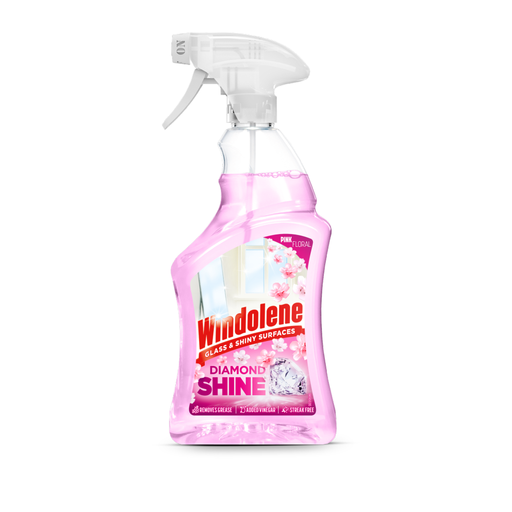
Why This Fits Their Persona: This suits shoppers who want a familiar trigger spray with a floral fragrance for several household surfaces.
Its directions specify sparing application from approximately 25 cm, helping reduce over-spraying and excess residue.
Vinegar-added formula; ON/OFF nozzle; listed for windows, windscreens, mirrors, worktops and splashbacks.
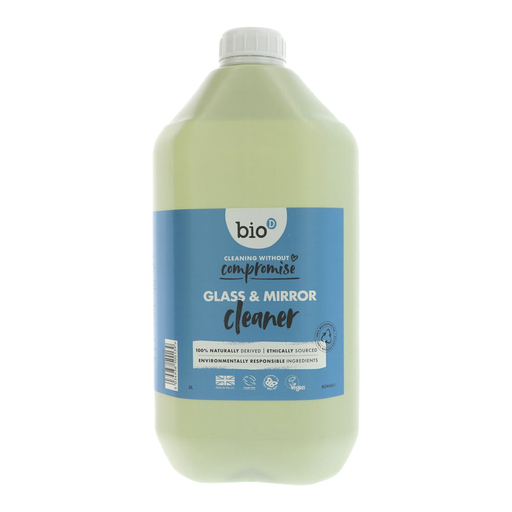
Why This Fits Their Persona: The 5L format is suited to professional cleaners, larger homes and frequent cleaning schedules where a smaller spray may run out quickly.
The clearly stated 5L capacity makes it easier to plan stock and compare use volume rather than judging by bottle appearance.
Plant-based and biodegradable ingredients are specified; vegan-friendly and cruelty-free; made in the UK.
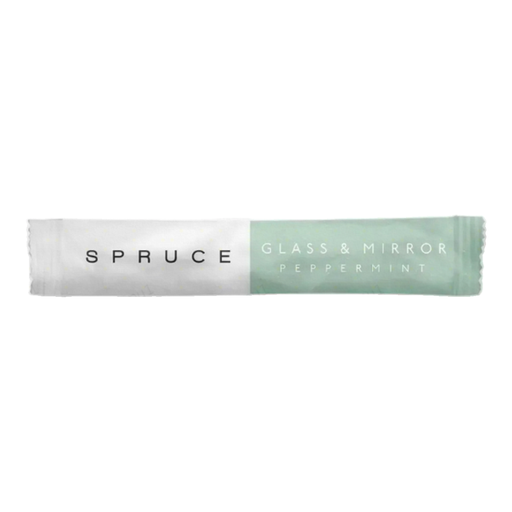
Why This Fits Their Persona: Refill users who already have a compatible reusable bottle can reduce reliance on single-use trigger packaging.
The pack uses paper refills and explains that each makes a 500ml bottle, making packaging and dilution requirements visible before purchase.
Three refills per pack; plant-based, vegan and cruelty-free formula; intended for glass, mirrors and stainless steel.
We have compiled a complete, real-time list of products that fully satisfy these strict selection criteria and UK safety regulations.
Often, vinegar-based products are listed for mirrors, but suitability depends on the product instructions and mirror backing. Do not allow liquid to pool around edges, and wipe the surface dry. Avoid using the spray on materials not listed on the label.
A 750ml window cleaner is generally convenient for occasional or regular household cleaning. Frequent users, landlords and professional cleaners may find a 5L glass cleaner or refill system more practical, provided they have suitable storage and a compatible spray bottle.
Only use it on vehicle surfaces specifically covered by the instructions. A dedicated car glass cleaner may be designed for windscreens or interior glass, while a dashboard-and-glass product may also cover plastics. Avoid applying household cleaner to screens, leather or painted trim unless the label confirms compatibility.