
24/7 Customer Support

Free returns

Same-day & Next-day Delivery

Quality Guaranteed

Unlock Your Welcome Offers: FREE Delivery | Up to 80% OFF | Free 30-day JoyPlus trial
Download the APP
Glossy lip products can add colour, moisture and light-reflecting shine in seconds. However, the finish shown in a product image does not always tell you how the formula will feel during a damp commute, over a hot drink or after lunch. Some formulas feel sticky, some fade unevenly and others offer shine but little visible colour.
This guide explains what to check before buying lip gloss, glossy lipstick, lip tint or a tinted lip balm, followed by tailored recommendations for different routines.
A wet-look finish comes from oils, emollients, waxes, polymers or reflective particles. That does not automatically mean the formula will moisturise your lips. A lip gloss may look smooth immediately but feel uncomfortable once the shine wears away.
For a more comfortable formula, look for ingredients such as argan oil, vitamin E, shea butter or other emollients. Treat skincare-style language carefully: cosmetic ingredients can support a smoother-feeling finish, but they should not be treated as a medical solution for severely dry or damaged lips.
Glossy textures naturally remain more mobile than dry, matte formulas. Colour may transfer onto mugs, masks or clothing, even when a product is described as long-lasting. Two-step products can offer a different balance: a colour layer followed by a balm or gloss top coat.
If wear time matters, check whether the product instructions specify a setting period, reapplication guidance or a separate top coat. “Up to” claims are performance limits rather than a guarantee for every wearer.
Screen brightness, lighting and your natural lip colour can change how a shade appears. A peach tone may look more coral on pigmented lips, while a clear gloss can look different over a lip tint or lipstick.
For safer online selection, compare the shade name, finish and intended coverage. Buildable products are useful when you want to start with a sheer wash and add intensity gradually.
Decide whether you want a glass-like, mirror, hi-lustre or softly glossy finish. A clear lip gloss is mainly designed to add shine, while a glossy lipstick or lip tint combines shine with more noticeable colour.
Texture also matters. Water-oil formulas and gloss balms may feel lighter than dense, wax-heavy products. If stickiness is a concern, look for wording such as non-sticky, lightweight or melting texture, while remembering that comfort is personal.
A lip tint generally leaves more colour behind than a clear gloss, whereas a tinted lip balm usually offers a softer wash. Glossy lipstick tends to provide more immediate pigment, with a reflective finish rather than a flat one.
For everyday use, sheer or buildable coverage can be easier to control. For events or stronger makeup looks, check whether the product is described as highly pigmented and whether the instructions recommend layering.
Before purchase, check the complete ingredient list, shade-specific ingredients and product warnings. UK cosmetics should have appropriate packaging information, including ingredients, precautions and responsible business details. If you have known sensitivities, fragrance or particular colourants may be relevant.
Follow the product’s directions and stop using it if irritation develops. Avoid applying lip colour to broken or inflamed skin and do not share lip products because this can increase the risk of contamination. Vegan and cruelty-free labels should be checked against the product’s own packaging or listing information rather than assumed from the product category.
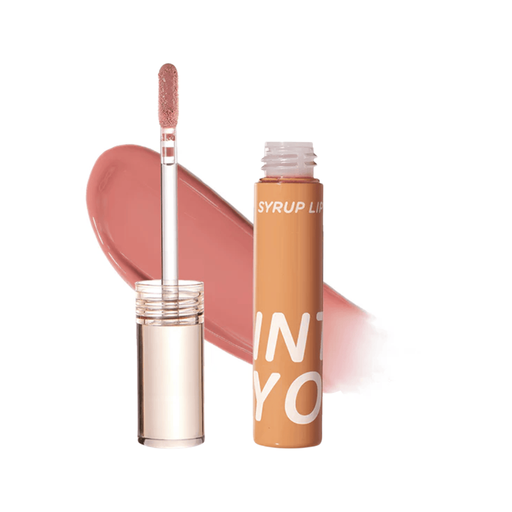
Why This Fits Their Persona: A practical starting point for shoppers who want tint and shine in one product rather than buying separate lip colour and gloss.
Its stated buildable coverage lets you begin with a thin layer instead of committing to intense colour immediately.
The listing describes a lightweight water-oil formula, high-shine finish, argan oil and a mint cooling sensation.
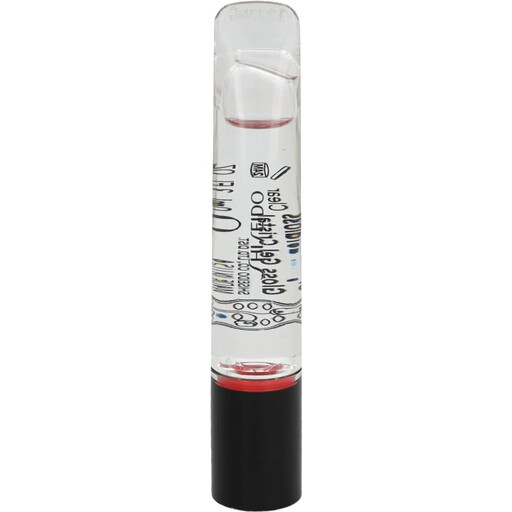
Why This Fits Their Persona: Suits shoppers who prefer a clear, polished finish that can be worn alone or layered over carefully chosen colour.
A clear formula makes the colour expectation straightforward: it is intended to provide shine rather than tint.
The product information describes a lightweight, non-sticky texture and use as a top coat over lipstick, liner or stain.
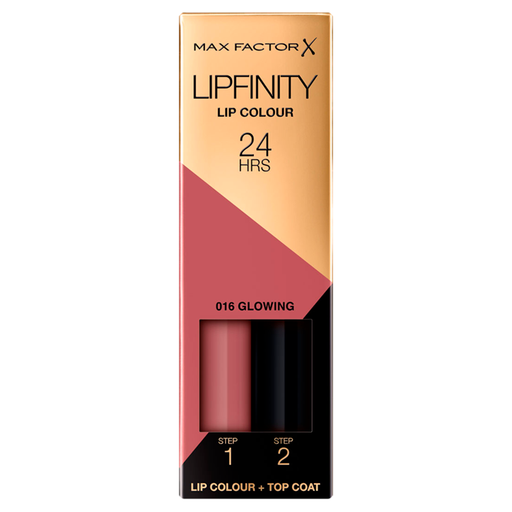
Why This Fits Their Persona: Designed for long days when regular colour touch-ups are inconvenient, such as commuting, office hours or social plans.
The two-step format clearly separates colour from the moisturising balm; the instructions also specify waiting for the first layer to dry.
The listing states wear of up to 24 hours and includes a top coat balm for moisture and glossy shine. Individual results vary.
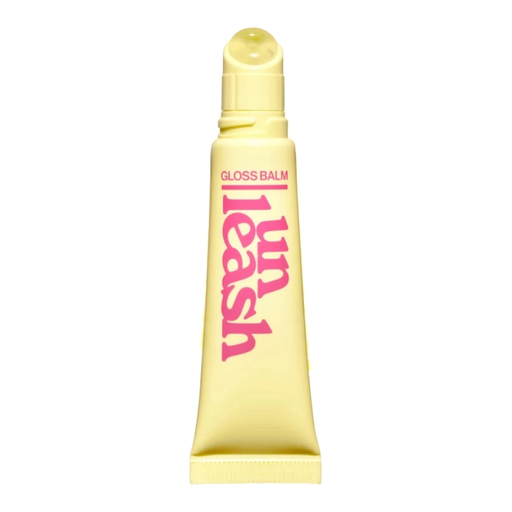
Why This Fits Their Persona: A colourless option for shoppers who want a Korean beauty-inspired wet shine, either alone or over another lip colour.
Its clear shade avoids misleading expectations about colour payoff, while the formula details and warnings are listed for checking before purchase.
The listing identifies the formula as vegan and cruelty-free, with peptides, vitamin E and vitamin C, plus a silicone applicator.
We have compiled a complete, real-time list of products that fully satisfy these strict selection criteria and UK safety regulations.
A hydrating lip gloss or gloss balm may feel more comfortable than a dry, matte formula, particularly when it contains emollient ingredients. However, gloss does not replace dedicated lip care and it should not be applied to cracked, bleeding or irritated skin.
Wear depends on the formula, application and eating or drinking habits. A two-step long-lasting lip colour may remain visible for longer than a standard gloss, while a clear lip gloss usually needs reapplication because its purpose is shine rather than stain-like colour retention.
Check the ingredient list and warnings before use. Some plumping lip glosses create a temporary fuller-looking appearance through shine or a cooling or tingling sensation. Stop using the product if you experience persistent redness, swelling, itching or discomfort.