
24/7 全天候客户支持

免费退货

当日/次日达

品质保障

开启新人专享福利: 全场免邮 | 低至 2 折 | 免费试用 30 天 JoyPlus 会员
下载 Joybuy
From a shattered ceramic mug to a wobbly chair leg or a child's school project, the right adhesive can be a household hero. Yet, navigating the world of glues & adhesives often feels like a sticky situation in itself. With so many products promising universal strength and instant fixes, it's easy to end up with a failed repair and a tube of dried-up, unusable glue.
As the Joybuy Product Recommendation Officer, my role is to help you bypass the marketing clutter. Let's look at the common pitfalls UK shoppers face and identify the key factors that genuinely matter, ensuring your next purchase is the right one for the job.
Many of us have been there: a promising-looking glue that either fails to bond or creates more mess than it solves. Here are the most frequent issues to watch out for:
To avoid these traps, focus on the fundamental properties of the adhesive, not just the marketing claims. Here are the three most important factors to check before you buy.
The single most critical factor is matching the glue to the materials you need to join. Adhesives work differently on porous surfaces (like wood, paper and fabric) versus non-porous surfaces (like metal, glass and plastic).
Consider where the bonded item will be used. An indoor-only glue will quickly fail when exposed to the UK's damp climate.
The right applicator can make the difference between a neat repair and a sticky mess.
Based on these practical criteria, we've matched some reliable adhesive solutions to common user needs.
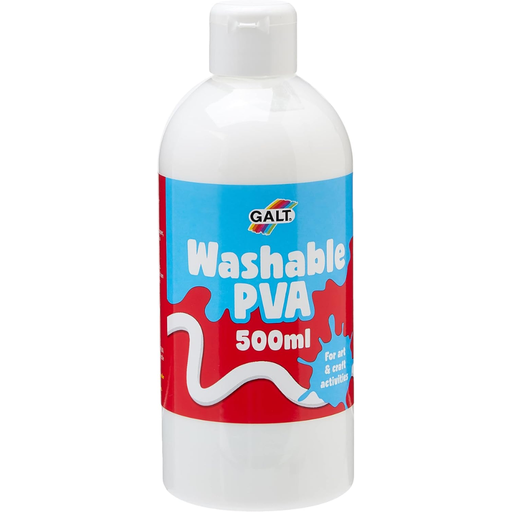
Why This Fits Their Persona: This is a go-to for family craft sessions or school projects. Its suitability for paper, card and wood covers most creative needs, and the washable formula means accidental spills on clothes aren't a disaster.
It avoids the "one-size-fits-all" trap by being a dedicated PVA glue. Its purpose is clear: bonding porous materials safely, not attempting to fix everything in the house.
The key advantage is its safety and ease of cleaning, making it suitable for children from age 3. The large 500ml bottle offers excellent value for frequent use.
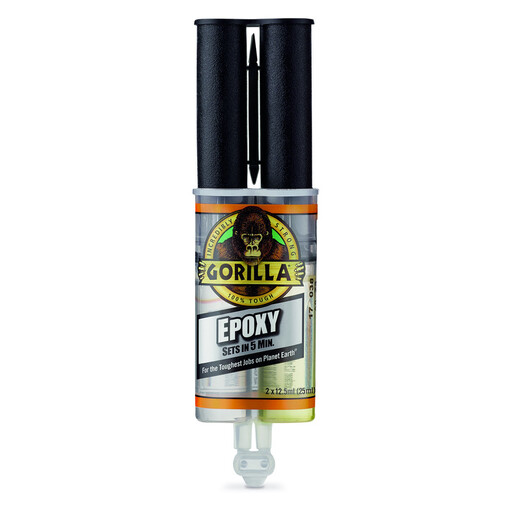
Why This Fits Their Persona: For serious, structural repairs on tough materials like metal, stone and ceramics, this epoxy adhesive provides a bond far stronger than a standard super glue. Its gap-filling nature is perfect for repairing uneven breaks.
It sidesteps the "misleading cure time" trap. While it sets in 5 minutes, allowing you to position the parts, the instructions are clear that a full cure is needed for maximum strength, managing user expectations for a successful repair.
The easy-to-use syringe dispenses the resin and hardener evenly, ensuring a proper mix. The resulting bond is water-resistant and can be sanded and painted for a clean finish.
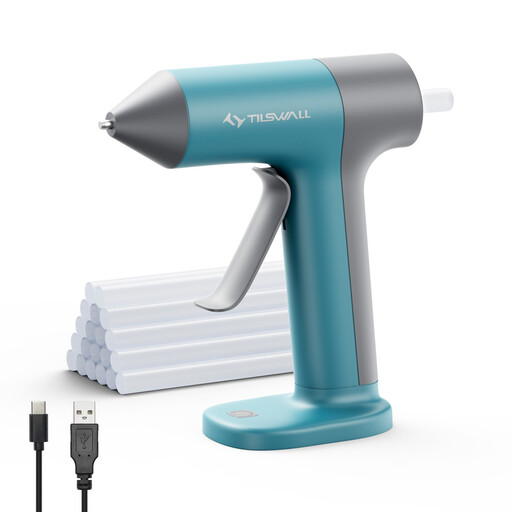
Why This Fits Their Persona: For hobbyists and those who need to make quick, small repairs around the house, a cordless hot glue gun offers unmatched freedom. It's ready to use in seconds without being tethered to a wall socket, ideal for detailed work or fixing things on the spot.
This directly solves the "poor applicator" problem. The anti-drip nozzle provides excellent control, preventing the messy strings and blobs common with older glue guns. The cordless design eliminates the frustration of tangled cables.
Its 30-second preheat time and USB-C rechargeable battery are major conveniences. The built-in safety features, like the 5-minute auto shut-off, provide peace of mind during use.
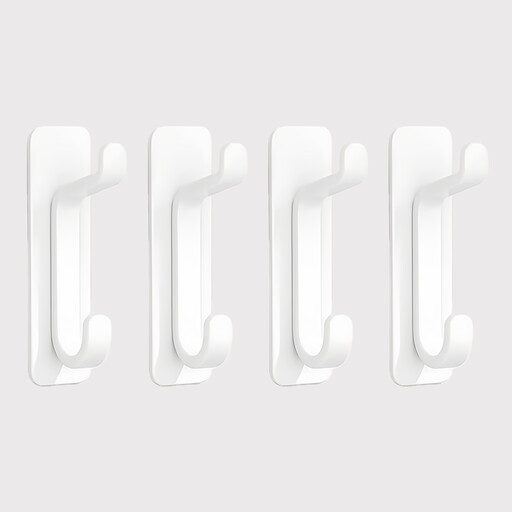
Why This Fits Their Persona: For renters or homeowners who want to avoid drilling into tiles or walls, these adhesive hooks offer a strong, reliable hanging solution. They are perfect for organising kitchens, bathrooms or hallways without permanent damage.
This product is a complete solution, not just a glue. It avoids the trap of using the wrong adhesive type on a wall, which can lead to weak holds or stripped paint upon removal. Its purpose is specific and clear.
The primary benefit is damage-free installation on smooth surfaces. The stainless steel construction ensures durability and resistance to rust in damp environments like bathrooms.
Of course, the world of adhesives is vast, including specialised products like denture adhesive and expanding foam for filling large gaps. The key is always to match the product's designed purpose to your specific task.
We have compiled a complete, real-time list of products that fully satisfy these strict selection criteria and UK safety regulations.
1. What is the real difference between super glue and epoxy? The main difference is in their properties and use cases. Super glue (cyanoacrylate) is a one-part adhesive that cures very quickly to form a rigid, thin bond line. It's great for instant fixes on tightly fitting, non-porous items. Epoxy adhesive is a two-part system that you mix before application. It cures more slowly but forms a much stronger, gap-filling and more durable bond that is often waterproof and resistant to high temperatures. Use super glue for a quick fix on a clean break and epoxy for a structural, long-lasting repair.
2. Are 'waterproof' glues truly suitable for permanent outdoor use in the UK? It depends on the specific rating. A "water-resistant" glue can handle occasional splashes or humidity, making it suitable for a bathroom or kitchen. For permanent outdoor use in the UK, where items are constantly exposed to rain and temperature changes, you need a fully "waterproof" adhesive. For wood glue, look for a D4 rating. For other materials, polyurethane-based glues and many two-part epoxies offer excellent waterproof performance for long-term outdoor durability.
3. How can I remove strong adhesive without damaging the surface? Removal depends on the glue type. For super glue, a solvent like acetone (found in some nail polish removers) can dissolve the bond, but you must test it on a hidden area first as it can damage some plastics and finishes. For epoxy adhesive, once cured, it is very difficult to remove chemically and often requires mechanical removal through sanding or scraping. For adhesive hooks, warming the adhesive gently with a hairdryer can often soften it enough to be peeled away cleanly. Always read the manufacturer's instructions for removal advice.