Households buying regular snack supplies
Look for a current gluten-free declaration on each recipe. Before choosing a large pack, check its best-before date against how many bars your household is likely to use.


Start with a gluten-free declaration for the exact bar and flavour, then choose a pack size you are likely to use before its best-before date. A larger box offers more bars, but it does not remove the need to check ingredients and other allergens on every included recipe.
The right pack depends on how often the bars will be eaten and whether anyone needs to avoid allergens besides gluten.
Look for a current gluten-free declaration on each recipe. Before choosing a large pack, check its best-before date against how many bars your household is likely to use.
If individually wrapped protein bars appeal, compare the stated protein per bar on the exact products you are considering. A protein description is not a substitute for a gluten-free declaration.
Check the ingredients and precautionary allergen wording for every flavour, particularly for nuts, milk, soya and sesame, before committing to a larger pack.
Check the exact bar’s gluten-free status first. Pack size and format matter only after the recipe meets the intended eater’s requirements.
| Priority | What to check | Your needs |
|---|---|---|
| Gluten-free status | Find a gluten-free declaration for the exact flavour and pack. Read its current ingredients rather than judging it by oats, rice or the brand name. | I need a bar selected for coeliac shopping, not one that merely looks as though it might be gluten free. |
| Pack size | Compare the number of bars and total net weight. Check the best-before date and storage instructions against likely use. | A larger box makes sense for me only if the bars will be used in time; a smaller multipack lets me try a recipe first. |
| Other allergens | Read declared ingredients and any “may contain” wording for each flavour. Check every recipe in a mixed pack, not just its outer description. | Someone eating these bars also needs to avoid particular nuts, milk, soya or sesame. |
| Bar format | Check whether the pack contains individually wrapped bars and whether the stated bar weight suits the occasion. Compare protein figures only for the exact products and serving sizes shown. | I want bars that are straightforward to pack for work or travel, or a flapjack rather than a fruit-and-nut bar. |
An ingredient’s appearance does not establish the status of the finished bar. Alpen says its products contain gluten, while Kellogg’s lists barley and wheat in its Rice Krispies Squares Gooey Marshmallow product.
Look for a gluten-free declaration on the exact current product, then read its ingredients and allergen statement.
Packs can contain bars of different weights, and a large quantity is less useful if it will remain uneaten.
Compare bar count and net weight, then check the best-before date and storage instructions before choosing a bulk format.
An oversized pack can leave bars unused by their best-before date.
A gluten-free declaration does not establish suitability for someone who must avoid nuts, milk, soya or sesame. Ingredient and precautionary statements differ between recipes.
Check every flavour in a mixed pack against the intended eater’s allergen requirements before buying it.
Gluten-free status belongs to a specific product, not automatically to every bar made by its brand.
A flapjack option for shoppers considering plant-based protein alongside a product-specific gluten-free declaration.
Eat Natural identifies a UK gluten-free range that includes fruit-and-nut bars.
The Protein Peanut & Chocolate line offers a specifically identified gluten-free multipack option.
Graze makes oat-based flapjacks, but oats alone are not a gluten-free declaration for an individual product.
Alpen’s own UK FAQ says its products contain gluten from wheat, barley or oats.
A rice-cereal name does not establish that a snack bar is gluten free.
These multipacks offer protein-bar, flapjack and nut-bar formats in pack sizes from three to 12 bars. Check each exact product’s current gluten-free declaration and allergens before choosing it for coeliac shopping.
 No image available
An eight-bar format for regular snack supplies. The reviewed Joybuy listing describes this exact product as gluten free and states 10 g protein per bar; its product information lists peanuts, soya and milk and says it may contain nuts.
 No image available
A four-bar pack if you would rather try this flavour before choosing a larger quantity. Check its current gluten-free declaration and allergen panel for the exact pack; the supplied product information identifies peanuts, almonds, soya and milk.
 No image available
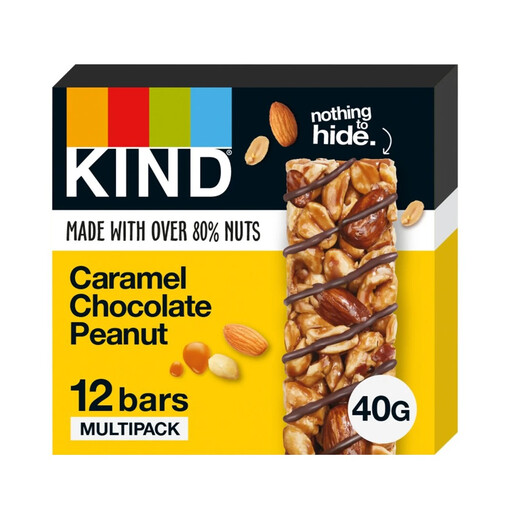
A 12-bar nut-bar format for shoppers considering a larger pack. Confirm the brand and exact recipe on the current pack before purchase: the accompanying description names a different brand. Check its gluten-free declaration and allergen panel rather than relying on that description.
 No image available
A three-flapjack pack for trying this format before buying more. The product information describes gluten-free oats and identifies soya; check the finished bar’s current gluten-free declaration and complete allergen panel.
 No image available
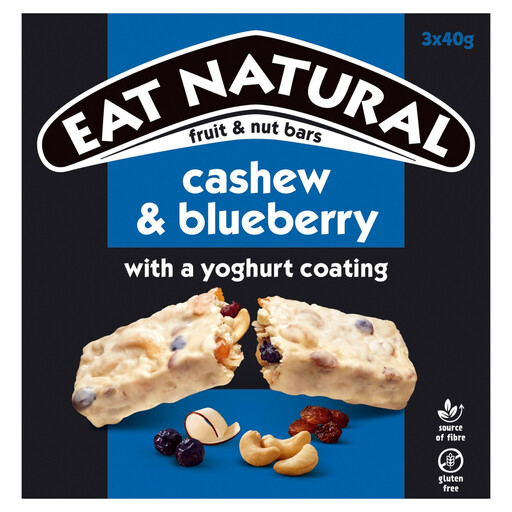
A small fruit-and-nut multipack for trying this recipe. Check the current pack’s gluten-free declaration; the supplied product information identifies milk, almonds and cashews, with precautionary wording for other nuts, peanuts and soya.
Look for “gluten free” on the current product for the exact flavour. Coeliac UK explains that foods bearing this label contain no more than 20 parts per million of gluten. Check the ingredients and other allergens as well, especially when trying a different pack or recipe.
No. An oat-based description alone does not establish the finished bar’s gluten-free status. Check the exact current product for a gluten-free declaration.
Yes. Read the current gluten-free declaration, ingredients and allergen wording when changing flavour or pack format, and on repeat purchases. Kellogg’s advises checking current packs because recipes can change.
Once both exact products have a suitable gluten-free declaration, compare their bar counts and total net weights. Check the best-before dates, storage instructions and every flavour in a mixed pack before deciding how many bars to buy.
No. A gluten-free declaration does not cover those other allergens. The reviewed Nature Valley Protein Peanut & Chocolate product information lists peanuts, soya and milk, while Tesco’s Eat Natural Almond listing describes a nut-containing bar with a milk-containing coating and precautionary wording for other allergens.