Start with the gluten-free claim on the current pack, then check its ingredients and allergen information. If you avoid oats, look for a gluten-free bar without oat ingredients; if you tolerate gluten-free oats, an oat flapjack is another option. Protein, fibre and other allergens are separate considerations, and Coeliac UK says its Crossed Grain Trademark provides additional audited checks.
Who is this for?
Shoppers choosing a bar to take out
A gluten-free claim on the current pack is the starting point when buying an unfamiliar cereal bar. Coeliac UK says products bearing its Crossed Grain Trademark undergo additional checks, including review of gluten-analysis certificates and independent manufacturing audits.
Shoppers deciding whether to choose oats
A bar made with gluten-free oats is different from one without oat ingredients. Coeliac UK notes that standard oats can be contaminated with wheat, barley or rye, and that a small number of people with coeliac disease remain sensitive to gluten-free oats.
Shoppers comparing snack styles and allergens
Once gluten suitability is established, compare protein bars, oat flapjacks and softer fruit-and-nut bars by their ingredients, portion sizes and stated nutrition values. Check peanuts, other nuts, milk and soya separately where relevant.
What should you check?
Bar without oat ingredients
Consider when: You avoid oats and want a gluten-free protein bar; Nature Valley lists its Protein Peanut & Chocolate bar as gluten free.
Check: That Nature Valley bar contains peanuts, soya and milk and may contain tree nuts. Its gluten-free claim does not cover those allergens.
Gluten-free oat flapjack
Consider when: Gluten-free oats are appropriate for you and you prefer an oat-based snack; TREK Cocoa Oat lists gluten-free oats.
Check: Coeliac UK notes that a small number of people remain sensitive to gluten-free oats. TREK Cocoa Oat contains soya and may contain peanuts, nuts and milk.
Soft fruit-and-nut bar
Consider when: You prefer a smaller fruit-based snack; Tesco lists Eat Natural Apple Soft Fruit Bars as gluten free in a 25 g portion.
Check: The listed bar contains almonds and has 0.9 g protein and 13.8 g sugars per 25 g bar, so compare its nutrition separately from its gluten-free status.
Check gluten suitability and any other allergens before comparing snack format and nutrition. Coeliac UK’s 2025 Shopping Habits survey had 3,785 member respondents; its findings about trust, on-the-go products and supermarket range are not cereal-bar-specific.
| Priority |
What to check |
Your needs and respondents’ views |
| Gluten-free labelling |
Check the gluten-free claim on the current pack, then read the ingredients and allergen information. The Food Standards Agency states that a gluten-free claim applies to food containing no more than 20 mg/kg gluten as sold to the consumer. Coeliac UK says its Crossed Grain Trademark adds audited checks. |
I want a clear basis for choosing an unfamiliar bar. In Coeliac UK’s 2025 survey of 3,785 responding members, 74.7% said they trusted the Crossed Grain Trademark more than a gluten-free statement; this measures trust, not whether other labelled products meet the gluten-free threshold. |
| Oats |
Check whether oats are listed and, if so, whether the product specifies gluten-free oats. Coeliac UK warns that standard oats can be contaminated and that some people remain sensitive even to gluten-free oats. |
If I avoid oats, I need a gluten-free bar without oat ingredients. If gluten-free oats are appropriate for me, I can also consider an oat flapjack. |
| Other allergens |
Read the exact pack for peanuts, other nuts, milk and soya, including relevant precautionary statements. Do not treat a gluten-free claim as a claim about those other allergens. |
I need to screen for my other allergens separately before choosing a flavour or bar format. |
| Snack format |
Compare portion size and the stated protein, fibre and sugars per bar. Decide whether a protein bar, oat flapjack or smaller soft fruit-and-nut bar fits how you plan to use it. |
I want a bar I can take with me and enjoy eating. In Coeliac UK’s 2025 survey, 70% of the 3,785 responding members were dissatisfied with the quality of on-the-go gluten-free products generally, not cereal bars specifically. |
| Choice of bars |
Check individual products rather than assuming a whole brand’s range is gluten free. Compare oat and oat-free formats while keeping any other allergen restrictions in view. |
Having more than one suitable snack style matters when oats or other ingredients limit my choices. Among the 3,785 members responding to Coeliac UK’s 2025 survey, 38.4% were happy with the supermarket range of gluten-free products overall; that figure is not a cereal-bar availability rate. |
Common label mistakes
-
Judging a bar by its headline grain
A rice-based bar can still contain barley malt extract or wheat gluten: Kellogg’s lists both in its Coco Pops Snack Bar. Coeliac UK also warns that standard oats can be contaminated with gluten-containing cereals.
Check the current gluten-free claim, full ingredients and allergen information instead of relying on a name or front-of-pack image.
-
Assuming every bar from one brand has the same status
Nature Valley lists its Protein Peanut & Chocolate bar as gluten free, but advises against its Crunchy Granola Bars for a gluten-free diet. Alpen says its products contain gluten from wheat, barley or oats.
Choose by the exact product and current pack, even when you have bought another bar from the brand before.
-
Reading “gluten free” as “free from other allergens”
Nature Valley Protein Peanut & Chocolate contains peanuts, soya and milk. TREK Cocoa Oat may contain peanuts, nuts and milk.
After checking gluten suitability, make a separate check for every other allergen you need to avoid.
Brand references for checking individual bars
Nature Valley
Nature Valley UK lists Protein Peanut & Chocolate as gluten free, with around 10 g protein and around 4 g fibre per 40 g bar.
- Its listed Protein Peanut & Chocolate recipe has no oat ingredients.
- That bar contains peanuts, soya and milk and may contain tree nuts. Nature Valley does not recommend its Crunchy Granola Bars for a gluten-free diet.
TREK
TREK lists gluten-free oats and 9 g protein per 50 g bar for its Cocoa Oat protein flapjack.
- The Cocoa Oat product offers an oat-based, vegan snack format for shoppers who can have gluten-free oats.
- It contains soya and may contain peanuts, nuts and milk. Coeliac UK notes that some people with coeliac disease remain sensitive to gluten-free oats.
Eat Natural
Eat Natural has a UK gluten-free product range. Tesco lists its Apple Soft Fruit Bars as gluten free in 25 g portions.
- The listed Apple bar provides a softer fruit-and-nut format to compare with protein bars and oat flapjacks.
- The Apple bar contains almonds and has 0.9 g protein and 13.8 g sugars per 25 g bar. Check each product’s own pack.
Alpen
Alpen’s FAQ says its products contain gluten from wheat, barley or oats.
- Do not treat the Alpen name or an oat-based description as evidence that a bar is suitable for a gluten-free diet.
Kellogg’s
Kellogg’s lists gluten-containing ingredients in the specific Special K Red Berry and Coco Pops snack bars checked here.
- Special K Red Berry lists wholewheat and barley-derived ingredients; Coco Pops Snack Bar lists barley malt extract and wheat gluten. A rice- or maize-led name is not a substitute for reading the label.
Joybuy cereal bars
These options cover protein bars without oat ingredients and oat-based protein flapjacks. Check the current pack’s gluten-free claim, ingredients and allergen statements before choosing either format.
 No image available
Nature Valley Protein Peanut & Chocolate Bar 4 x 40g
An option to check if you want a gluten-free protein bar without oat ingredients. Nature Valley lists around 10 g protein and around 4 g fibre per 40 g bar. It contains peanuts, soya and milk and may contain tree nuts; confirm the current pack’s labelling.
View on Joybuy
 No image available
Nature Valley Protein Salted Caramel Nut Bar 4 x 40g
Consider this variant if you are comparing protein bars without oat ingredients. Check its gluten-free claim and full allergen information on the current pack; peanuts, almonds, milk and soya are relevant to this selection.
View on Joybuy
 No image available
Nature Valley Protein Peanut & Chocolate Bars 8 x 40g
The eight-bar pack offers the Peanut & Chocolate protein-bar format for shoppers avoiding oat ingredients. Nature Valley lists around 10 g protein and around 4 g fibre per 40 g bar. The product contains peanuts, soya and milk and may contain tree nuts; check the pack you receive.
View on Joybuy
 No image available
TREK Salted Caramel Protein Flapjacks 3 x 50g
An oat-based flapjack option to check if gluten-free oats are appropriate for you. Confirm the gluten-free claim, oat description and full allergen statements on the current pack, particularly if you need to avoid soya, nuts or milk.
View on Joybuy
 No image available
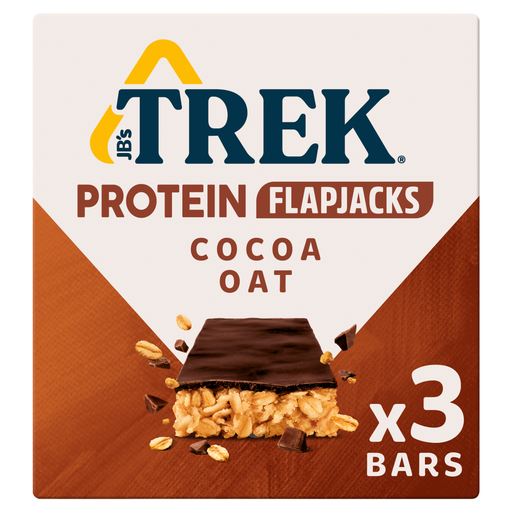
TREK Cocoa Oat Protein Flapjacks 3 x 50g
For shoppers who can have gluten-free oats, TREK lists gluten-free oats and 9 g protein per 50 g Cocoa Oat bar. It contains soya and may contain peanuts, nuts and milk. Check those statements on the current pack.
View on Joybuy
Frequently asked questions
What does “gluten free” mean on a UK cereal bar?
The Food Standards Agency states that food labelled gluten free must contain no more than 20 mg/kg gluten as sold to the final consumer. Check the current cereal-bar pack for its claim, ingredients and allergen information.
Can a person with coeliac disease choose an oat cereal bar?
A bar made with gluten-free oats can be an option if those oats are appropriate for the individual. Coeliac UK warns that standard oats can be contaminated with wheat, barley or rye, and that a small number of people remain sensitive even to gluten-free oats. If you avoid oats, choose a gluten-free bar without oat ingredients instead.
Is a rice-based cereal bar automatically gluten free?
No. Kellogg’s Coco Pops Snack Bar lists rice flour alongside barley malt extract and wheat gluten. Check the complete ingredients and allergen information rather than relying on the grain named on the front.
What if a bar has no gluten-free claim?
Check its ingredients and precautionary allergen labelling before considering it. Coeliac UK advises that a product without a gluten-free claim should have no precautionary statement for cereals containing gluten. If the packaged bar’s labelling is unclear, choose one with a clear gluten-free claim instead.
What does the Crossed Grain Trademark add?
Coeliac UK says products certified to carry its Crossed Grain Trademark have undergone additional checks, including review of gluten-analysis certificates and independent manufacturing audits. It provides an extra signal when comparing bars; its absence alone does not establish that a product labelled gluten free is unsuitable.


