Shoppers managing gluten and another food allergy
A gluten-free claim does not settle questions about milk, soya, nuts, egg or oats. Check the ingredients and precautionary advice for the particular biscuit against the allergens you avoid.


Choose a biscuit explicitly labelled gluten-free, then check the current pack’s ingredients and precautionary warnings for every other allergen you need to avoid. A milk-free cookie meets different requirements from a milk-chocolate oat biscuit; neither “gluten-free” nor “Free From” means free of all allergens. Recheck the pack each time you buy it.
A gluten-free claim does not settle questions about milk, soya, nuts, egg or oats. Check the ingredients and precautionary advice for the particular biscuit against the allergens you avoid.
Look for an explicit gluten-free claim and read the current ingredient list, including which cereals are used. Coeliac UK also advises checking precautionary statements and contacting the manufacturer if suitability is unclear.
Check the pack again even when you recognise the product. Sainsbury’s advises that ingredients can change, so an older listing or saved shopping list should not replace the label on the biscuit you receive.
Start with the gluten-free claim, then narrow the choice using the exact recipe and allergy advice rather than the biscuit’s brand or style.
| Priority | What to check | Your needs |
|---|---|---|
| Gluten and other allergens | Look for an explicit gluten-free claim, then read the emphasised ingredients and any precautionary statement. The Food Standards Agency says the UK gluten-free claim applies to food containing no more than 20 mg/kg of gluten as sold; oats must still be identified when present. | I need the biscuit to meet my gluten requirement without overlooking a separate allergy to an ingredient such as milk, soya or oats. |
| Milk avoidance | Check for a specific milk-free declaration and read the chocolate ingredients. Sainsbury’s describes its Free From Chocolate Chip Cookies as both milk and gluten free, but says they are not suitable for customers with a nut allergy due to manufacturing methods. | If I avoid milk as well as gluten, I need both requirements confirmed on this product’s pack; a general Free From label is not enough. |
| Oats and avenin | Identify whether the biscuit contains oats. Nairn’s says its Chocolate Chip Oat Biscuit Breaks are not suitable for people who react to avenin, a protein in oats. | An oat-based biscuit only belongs in my basket if oats fit the allergy requirements I follow. |
| Current pack details | Compare the exact product and pack size with the listing. On receipt, read the pack’s ingredients, allergy advice and best-before date; ask the manufacturer if suitability remains unclear. | For a repeat purchase or online order, I want to check the biscuit delivered, not rely on a previous pack or saved listing. |
Gluten-free oat biscuits can still contain milk or soya, and some carry warnings about nuts or egg. The Food Standards Agency identifies oats as an allergen even when they are gluten-free.
After finding the gluten-free claim, check each emphasised ingredient and precautionary statement against the specific allergens you avoid.
McVitie’s Gluten Free Milk Chocolate Hobnobs contain milk and soya, while Sainsbury’s Free From Chocolate Chip Cookies are labelled milk free but carry a nut-related manufacturing warning.
Match the exact product name and pack to its own ingredient list and allergy advice; do not transfer a judgement from another biscuit in the range.
Sainsbury’s advises that product ingredients can change. A saved basket may therefore show information that differs from the pack received.
Read the current packaging before using the biscuit, and contact the manufacturer if its allergy advice leaves a question unresolved.
Gluten-free describes the gluten claim, not whether oats suit someone who reacts to oats or avenin. Nairn’s specifically warns about avenin on its Chocolate Chip Oat Biscuit Breaks.
Check the cereal named in the ingredients and any product-specific oat or avenin advice before choosing an oat biscuit.
These examples show why allergy advice belongs to the exact biscuit, not to a brand as a whole.
McVitie’s has a specifically labelled Gluten Free Milk Chocolate Hobnobs 150g variant.
Nairn’s Chocolate Chip Oat Biscuit Breaks offer a gluten-free oat-biscuit format in pouch packs.
Tesco Free From Chocolate Digestives 200g are a half-coated digestive made with gluten-free oat flour.
Sainsbury’s Free From Chocolate Chip Cookies 150g are described by Sainsbury’s as gluten free and milk free.
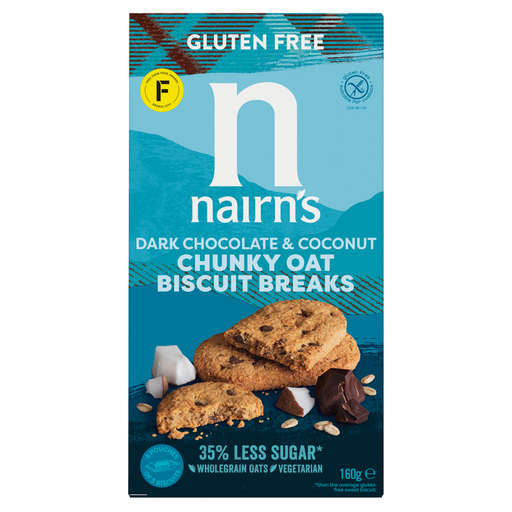
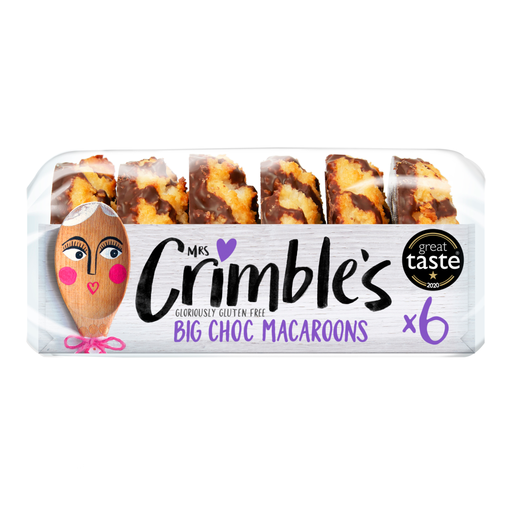
These Joybuy options cover a gluten-free oat biscuit with dark chocolate and coconut, and a gluten-free chocolate-coated coconut macaroon. Check each product’s current pack for the allergens relevant to you.
 No image available
This oat-based option is relevant if you want a gluten-free chocolate biscuit and can have oats.
The product information warns against use by people who react to avenin, says it may contain traces of milk, and does not guarantee that its ingredients are nut free. Check the current pack against your requirements.
 No image available
This gluten-free coconut macaroon offers a different format from an oat biscuit.
Its product information declares egg and soya and warns that it may contain milk and nuts. Read the current pack before choosing it for someone avoiding any of those allergens.
No: a gluten-free claim does not establish suitability for a separate wheat or oat allergy. The Food Standards Agency says the UK claim applies when the food as sold contains no more than 20 mg/kg of gluten, while oats must still be identified when present. Check the exact biscuit’s ingredients and allergy advice.
No. McVitie’s Gluten Free Milk Chocolate Hobnobs contain milk, while Sainsbury’s specifically describes its Free From Chocolate Chip Cookies as milk and gluten free. Check the current pack rather than relying on the gluten-free claim.
Read it as product-specific precautionary advice, not as a listed ingredient or a warning cancelled by a gluten-free claim. Coeliac UK explains that a precautionary gluten statement reflects a cross-contamination risk identified by the manufacturer; if a warning affects an allergen you avoid and suitability is unclear, contact the manufacturer.
Yes. Sainsbury’s advises that ingredients can change and recommends checking packaging before purchase or consumption. For an online order, read the pack you receive rather than relying solely on an earlier listing.