Gluten-free Christmas bakers using tinned recipes
If a cake, filling or dessert calls for cooking coconut milk, you need to match that format while checking the product label and preventing gluten cross-contact during preparation.


Choose cooking coconut milk when your Christmas bake calls for tinned coconut milk or needs a richer coconut ingredient; use a coconut drink only if the recipe allows a thinner, milk-style liquid. For a gluten-free bake, check the current pack for an explicit gluten-free claim rather than assuming that every coconut product qualifies. Check the other ingredients and keep preparation equipment free from gluten-containing crumbs and flour, too.
If a cake, filling or dessert calls for cooking coconut milk, you need to match that format while checking the product label and preventing gluten cross-contact during preparation.
Tinned coconut milk is the more relevant format to compare when a recipe calls for it as a dairy alternative. Check each product’s ingredients and the recipe’s requirements rather than treating all coconut products as interchangeable.
A coconut drink may fit a recipe written for a milk-style liquid. Its gluten-free statement does not tell you whether it meets other restrictions: the Alpro Coconut Barista product listed by Waitrose, for example, contains soya.
Start with the liquid your recipe specifies, then check the current pack’s gluten-free and allergen information before preparing the bake.
| Priority | What to check | Your needs |
|---|---|---|
| Gluten-free claim | Look for an explicit claim on the current pack. If you require a particular third-party certification, check for that separately; a gluten-free statement alone does not establish it. | I’m baking for someone who avoids gluten, so I want to confirm the product’s claim before it goes into the mixture. |
| Recipe format | Check whether the recipe calls for cooking coconut milk or a plant drink. The Tesco listing gives 55% coconut extract for Amoy tinned coconut milk, while its Koko Unsweetened drink listing gives 9% coconut milk; these are different products, not equivalent measures of baking performance. | My recipe calls for tinned coconut milk, and I don’t want to replace it with a thinner drink without checking how the recipe uses it. |
| Other allergens | Read the full ingredient and allergen statement for the coconut product and any flour blend, chocolate or decorations. Waitrose lists Alpro Coconut Barista as gluten-free but says it contains soya. | Gluten is not the only ingredient I may need to avoid in the finished bake. |
| Kitchen preparation | Clean surfaces, pans and utensils before starting, and keep ingredients away from flour and crumbs. Coeliac UK advises washing preparation equipment with hot soapy water to help avoid gluten cross-contact at home. | I need the finished bake, not just the coconut milk, to stay free from gluten cross-contact. |
A coconut drink and cooking coconut milk have different formulations. Tesco’s checked listings give 9% coconut milk for Koko Unsweetened and 55% coconut extract for Amoy tinned coconut milk, so swapping one for the other can change a recipe written around the tinned ingredient.
Follow the format specified in the recipe; use a drink as a substitute only when a thinner milk-style liquid is suitable.
Seeing no wheat in a short ingredient list does not establish that a particular tin carries a gluten-free claim or third-party certification. The Food Standards Agency defines a gluten-free claim by a limit of no more than 20 mg/kg of gluten in food sold to the final consumer.
Check the current pack for the claim, and verify a specific certification separately if the recipient requires one.
Products labelled gluten-free can still differ in other allergens: Waitrose lists Alpro Coconut Barista as gluten-free and as containing soya.
Read the allergen information for every product in the recipe, including toppings and decorations.
Flour or crumbs on a shared work surface or utensil can enter a bake even when its coconut milk has a gluten-free claim.
Follow Coeliac UK’s advice to clean surfaces and equipment with hot soapy water, and use clean utensils while handling the ingredients.
These examples show why a product’s format, ingredients and gluten-free statement need checking individually; a brand name does not settle suitability for a particular bake.
A tinned cooking coconut milk with an explicit gluten-free statement on the checked Tesco listing.
A tinned coconut-milk example for recipes calling for a cooking ingredient.
An own-label 400 ml tinned coconut milk.
An own-label tinned cooking coconut milk distinct from the Amoy product listed by Tesco.
An own-label tinned coconut milk for comparison with other cooking products.
A coconut drink to consider when a recipe permits a milk-style liquid.
A coconut-and-soya barista drink, rather than a like-for-like tinned cooking ingredient.
These coconut milk products include tins and cartons for recipes using a cooking ingredient. Check the recipe’s required format and each current pack’s gluten-free and allergen information before choosing one for a Christmas bake.
 No image available
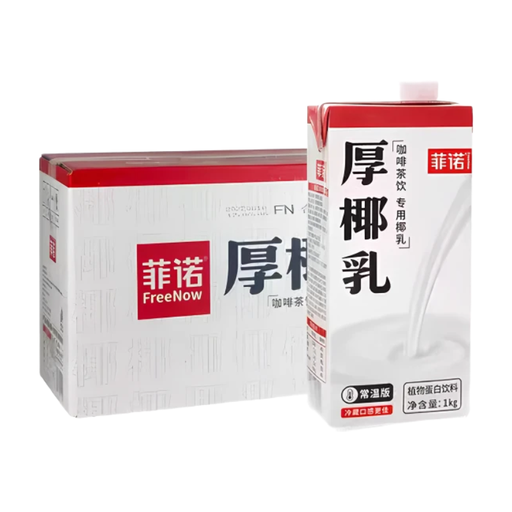
Consider this 1L tetra carton when your recipe permits carton-format coconut milk. Check the current pack for its gluten-free claim, allergens and suitability for the recipe.
 No image available
This 400ml coconut milk is an option to inspect for a recipe calling for a tinned cooking ingredient. Check the current can’s gluten-free and allergen information before using it for a gluten-free bake.
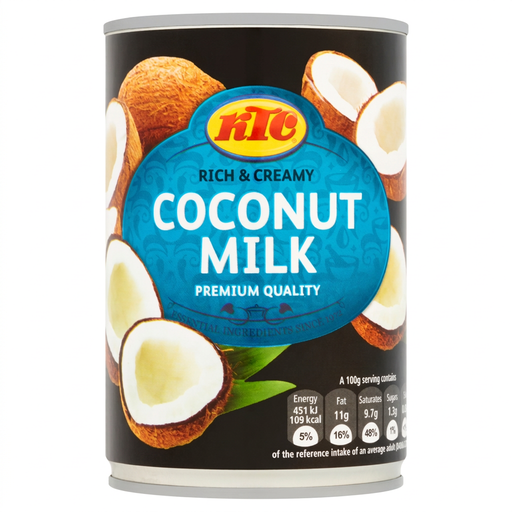 No image available
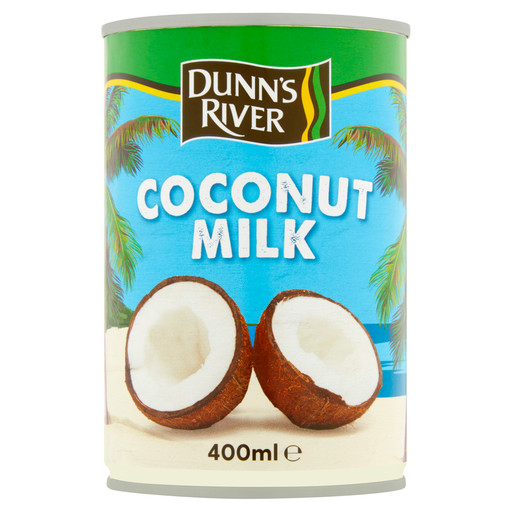
For a recipe specifying cooking coconut milk, check whether this 400G product matches the required format and quantity. Read the current pack’s gluten-free claim and allergen details before adding it to a gluten-free bake.
 No image available
This 400ml can matches the format to consider when a recipe calls for tinned coconut milk. Check its current gluten-free and allergen information; if coconut concentration matters to your recipe, check that on the pack as well.
 No image available
The 200 g cartons may suit a recipe for which individual portions are useful. Check the current carton for a gluten-free claim, allergens and coconut concentration before using it in place of tinned coconut milk.
The Food Standards Agency defines a gluten-free claim as no more than 20 mg/kg of gluten in food as sold to the final consumer. That claim does not, by itself, establish that a coconut milk has a particular third-party certification; check separately if certification is required.
Use a coconut drink only when the recipe allows a thinner milk-style liquid. Tesco’s checked listings give 9% coconut milk for Koko Unsweetened drink and 55% coconut extract for Amoy tinned coconut milk, so they should not be assumed to behave alike in a bake written for tinned milk.
Clean work surfaces, pans and utensils before preparing the bake, and keep ingredients away from flour and crumbs. Coeliac UK advises washing surfaces and cooking equipment with hot soapy water to help prevent gluten entering food during home preparation.
No. Waitrose lists Alpro Coconut Barista as gluten-free but says it contains soya. Check the current allergen declaration for every restriction that applies to your bake.
Follow the instructions on the particular pack. The checked M&S coconut milk listing says to refrigerate it and use it within 2 days of opening; the checked Sainsbury’s listing says to refrigerate it and use it within 3 days.