Hosts serving a guest with coeliac disease
Choose a cracker labelled gluten-free and keep crumbs from ordinary crackers out of its toppings. Coeliac UK recommends clean preparation surfaces and separate utensils for shared spreads.


Choose a cracker labelled gluten-free, then ask whether the guest eats oats and can manage a dry, crisp texture. An oat-based cracker may suit someone who eats gluten-free oats; a rice-and-maize crispbread offers a recipe without listed oats, provided its other allergen precautions suit the guest. If the guest has swallowing difficulties or follows a modified-texture diet, use their individual texture advice rather than assuming any cracker is suitable.
Choose a cracker labelled gluten-free and keep crumbs from ordinary crackers out of its toppings. Coeliac UK recommends clean preparation surfaces and separate utensils for shared spreads.
A gluten-free label does not mean the recipe is oat-free. Ask whether the guest eats oats, then check the ingredients and other allergen precautions on the pack you will serve.
Age alone does not establish a swallowing difficulty. If the guest does have one, establish which textures they can manage before choosing a cracker: Royal United Hospitals Bath NHS Foundation Trust identifies dry, crumbly crackers as a high-risk texture for people with swallowing problems.
Consider when: The guest eats gluten-free oats and wants a plain or savoury cracker for toppings.
Keep in mind: Coeliac UK says a small number of people with coeliac disease remain sensitive to avenin, a protein in oats.
Consider when: The guest avoids oats but can manage a dry, crisp cracker; Schär’s UK Crispbread page lists rice and maize flour without oats in its stated recipe.
Keep in mind: Schär lists a possible trace of soya, so check the purchased pack if that matters for the guest.
Consider when: The guest has swallowing difficulties or follows a modified-texture diet; establish an appropriate food using their individual speech and language therapy advice.
Keep in mind: Gluten-free labelling addresses gluten, not the swallowing risks of a dry, crumbly cracker.
| Priority | What to check | Your needs |
|---|---|---|
| Gluten-free identification | Look for a gluten-free claim on the current UK pack and check its ingredients. The Food Standards Agency states that food labelled gluten-free may contain no more than 20 mg/kg of gluten as sold. | I’m serving a guest who needs gluten-free food, possibly alongside guests eating ordinary crackers. I’ll use clean utensils and keep crumbs out of the gluten-free toppings. |
| Oats and other ingredients | Check whether the recipe contains gluten-free oats and read its other allergen precautions. Schär’s UK Crispbread recipe lists rice and maize flour but also carries a possible-soya-traces precaution. | The guest avoids oats, so a gluten-free oat cracker would not meet their needs. A recipe without listed oats is worth checking on the pack. |
| Cracker texture | Ask whether the guest can manage a dry, crisp or crumbly food. For swallowing difficulties, follow their individual texture advice rather than judging by a cracker’s appearance. | I want to offer something the guest can comfortably eat. If they have swallowing difficulties, I won’t assume that changing cracker brands solves the texture question. |
| Salt and serving size | Compare salt per 100 g on the same basis, then look at the portion served. NHS food-label guidance describes more than 1.5 g of salt per 100 g as high; Nairn’s lists 1.59 g per 100 g for its Original Wholegrain Crackers. | When choosing between suitable packs for the tea table, I’d like the labels and intended portions to be comparable rather than assuming gluten-free means less salt. |
The checked Jacob’s Original Cream Crackers and Carr’s Table Water Crackers list wheat flour; Ritz Original lists wheat flour and barley malt flour. This does not describe every product made by those brands.
Check the exact pack’s gluten-free claim and ingredients before putting it on the guest’s plate.
Coeliac UK says that although most people with coeliac disease can eat gluten-free oats, a small number remain sensitive to avenin.
Ask whether the guest eats oats. If not, check a recipe without listed oats and read its other allergen precautions.
A thin or light-looking cracker can still be dry and crumbly. Royal United Hospitals Bath NHS Foundation Trust identifies that texture as high risk for people with swallowing problems.
If the guest has swallowing difficulties, follow their individual speech and language therapy advice instead of choosing a supposedly easier cracker.
An ordinary cracker’s crumbs can reach a gluten-free guest’s food through shared butter knives, jam spoons or spreads.
Clean the preparation area and provide separate clean utensils and toppings, following Coeliac UK’s home-preparation advice.
Nairn’s lists several gluten-free wholegrain cracker flavours, including Original, Cracked Black Pepper and Super Seeded.
Schär’s UK Crispbread is a gluten-free example whose stated recipe lists rice and maize flour, rather than oats.
Sainsbury’s Free From Onion & Herb Crackers are a flavoured gluten-free oat, maize and rice option.
Tesco Groceries lists Free From cream crackers separately from its ordinary cream crackers.
These familiar names are useful reminders to check the exact product, not reasons to assume a cracker is gluten-free.
These options include gluten-free savoury crackers and crispbread, plus oatcakes and sweet biscuits for a different part of afternoon tea. Check each purchased pack against the guest’s oat, allergen and texture needs; the biscuits are not substitutes for a savoury cracker with cheese.
 No image available
A gluten-free crispbread to consider for savoury toppings when the guest can manage a dry, crisp texture. Schär’s UK page for its 150 g Crispbread lists rice and maize flour and a possible-soya-traces precaution; check the ingredients and warnings on the purchased pack.
 No image available
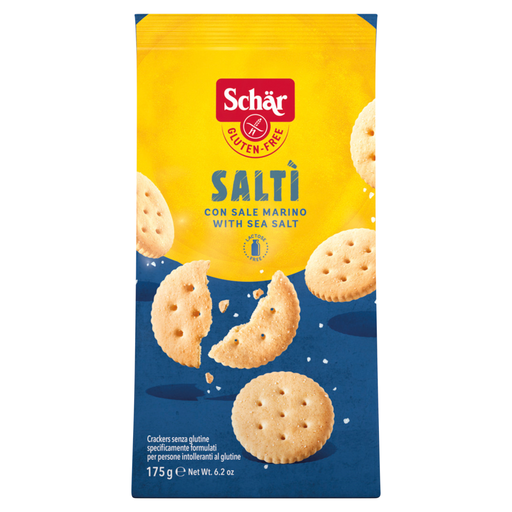
A savoury gluten-free cracker option for the tea table. Check the purchased 175 g pack for its ingredients, allergen precautions and salt per 100 g before serving it to a guest with additional restrictions.
 No image available
A cheese-flavoured oatcake for a guest who eats gluten-free oats. The 180 g pack is an oat-based option, not a way to avoid oats; check its current allergen and nutrition label and whether the guest can manage the texture.
 No image available
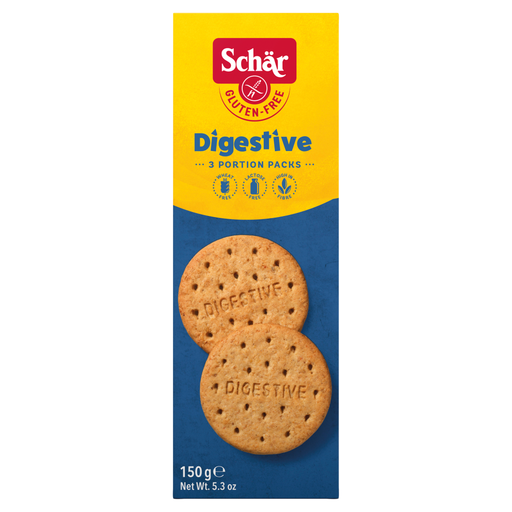
A gluten-free biscuit for serving with tea rather than a savoury cracker for cheese. Check the purchased 150 g pack’s ingredients and allergen information before including it for a guest who avoids oats or other ingredients.
 No image available
An oat-based sweet biscuit option for serving with tea, rather than a cracker for savoury toppings. Because the 160 g product contains oats, ask whether the guest eats them and check the pack’s other allergen precautions.
No. The Food Standards Agency states that a food labelled gluten-free in the UK may contain no more than 20 mg/kg of gluten in the food as sold. Check the current pack for its claim and ingredients.
Some guests can, but do not assume oat crackers suit this particular person. Coeliac UK says most people with coeliac disease can eat gluten-free oats, while a small number remain sensitive to avenin in oats; ask what the guest eats before choosing.
Use clean preparation surfaces and separate knives or spoons for the gluten-free guest’s spreads. Coeliac UK gives this advice to help prevent crumbs from ordinary food getting into shared condiments.
Do not assume so. Royal United Hospitals Bath NHS Foundation Trust identifies dry, crumbly crackers as a high-risk texture for people with swallowing problems; follow the guest’s individual speech and language therapy advice about appropriate food texture.
No conclusion about salt follows from a gluten-free label. Compare the packs’ salt figures per 100 g and consider the portion served. NHS food-label guidance describes more than 1.5 g of salt per 100 g as high; Nairn’s lists 1.59 g per 100 g for its Original Wholegrain Crackers.