People choosing biscuits for a gluten-free breakfast
A standard digestive is not interchangeable with one specifically labelled gluten-free. Check the current pack when choosing a biscuit for someone who needs to avoid gluten.


For a continental breakfast, start with a digestive specifically labelled gluten-free, then check its full allergen statement against the needs of everyone eating it. The Asda, Sainsbury’s and Tesco plain digestives use gluten-free oat ingredients; Schär offers a digestive made with maize, soya and buckwheat ingredients in three smaller packs. Milk-free or vegan labelling does not settle questions about oats, nuts, soya or lupin, so check the pack received before serving.
A standard digestive is not interchangeable with one specifically labelled gluten-free. Check the current pack when choosing a biscuit for someone who needs to avoid gluten.
Gluten-free biscuits can still contain oats or soya, or carry nut or lupin warnings. Compare the complete ingredient and allergen information for everyone at the table.
Decide whether you want a plain digestive, individually packed biscuits or a different biscuit or cracker. Pack weight and format matter when planning what to put out for breakfast.
Choose the biscuit type first, then check the label, other allergens and pack format before serving it with the rest of breakfast.
| Priority | What to check | Your needs |
|---|---|---|
| Gluten-free labelling | Look for a specific gluten-free statement on the current pack. Do not rely on the word “digestive” or on an ingredient list alone. | I need a biscuit clearly labelled gluten-free, rather than an ordinary digestive chosen by appearance. |
| Other allergens | Check oats as well as nut, milk, soya and lupin information. The Food Standards Agency notes that oats remain an allergen even in food labelled gluten-free. | Gluten is not the only ingredient I need to consider for the people sharing breakfast. |
| Biscuit type | Distinguish a plain digestive from McVitie’s Gluten Free Hobnobs, Schär crispbread or Schär Salti crackers. They are different products, not equivalent digestive-biscuit variants. | I want to know whether I am putting out a digestive with a hot drink or choosing a different base for cheese or other toppings. |
| Pack format | The listed Asda, Sainsbury’s and Tesco digestives come in 188 g packs; the listed Schär digestive has three 50 g packs. Check the current pack for any changes. | Individual packs may suit the way I set out breakfast; otherwise, I can choose a larger single pack. |
Asda’s listing for Schär explains that “digestive” is a traditional biscuit name, not a claim that the biscuit aids digestion.
Choose on the basis of the gluten-free label, ingredients, allergens and the biscuit format you want for breakfast.
The products have different allergen information: the own-label digestives use oat ingredients, while Schär’s digestive contains soya and may contain lupin. Nut warnings also differ between products.
Read the full ingredient list and allergen statement for the particular pack, including on a repeat purchase.
Ingredients and allergen statements can change, so a product description consulted before ordering may not settle whether the pack received suits a guest’s requirements.
Keep the packaging available and check its label before putting the biscuits out.
These references describe particular biscuits and ranges; a brand name alone does not establish the ingredients of another product.
Asda lists a plain 188 g gluten- and milk-free digestive made with gluten-free oat ingredients and labelled suitable for vegans.
Sainsbury’s lists a 188 g milk- and gluten-free digestive made with oats and prepared to a vegan recipe.
Tesco lists a 188 g gluten-free digestive made with gluten-free oat flour, labelled milk-free and suitable for vegans.
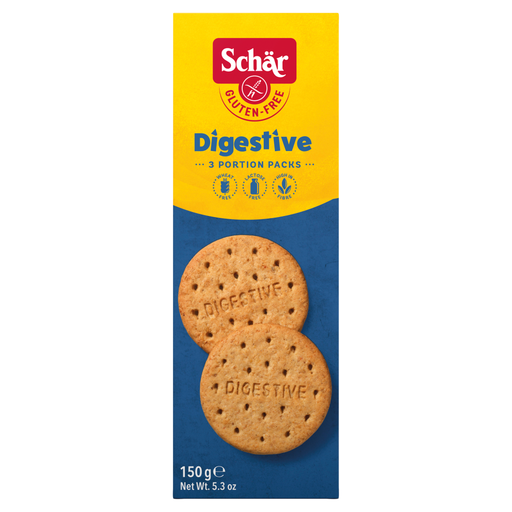
Schär’s 150 g gluten- and wheat-free digestive comes as three 50 g packs; its listed ingredients include maize, soya and buckwheat rather than oat flour.
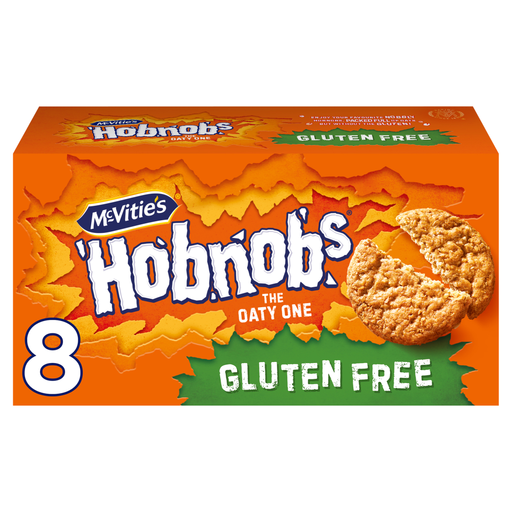
McVitie’s Gluten Free Original Hobnobs are an oat-biscuit alternative when the breakfast choice does not have to be a digestive.
These options include a Schär digestive for the original biscuit choice, plus a Hobnob, crispbread and crackers for breakfasts where a different gluten-free product also works. Check each pack’s current ingredients and allergen statement before serving.
 No image available
A digestive-biscuit option for a continental breakfast when an oat-free recipe is preferred. Asda’s listing describes three 50 g packs and a recipe containing maize, soya and buckwheat ingredients. It contains soya and may contain lupin; check the pack before serving.
 No image available
Choose these only if an oat biscuit can take the place of a digestive on the breakfast table. They are Hobnobs, not digestives; Tesco’s listing says they may contain nuts, milk, egg and soya.
 No image available
A crispbread alternative if you want a base for breakfast toppings rather than a digestive biscuit. Its format is different from a biscuit; check the current ingredients and allergen information against the needs of those eating it.
 No image available
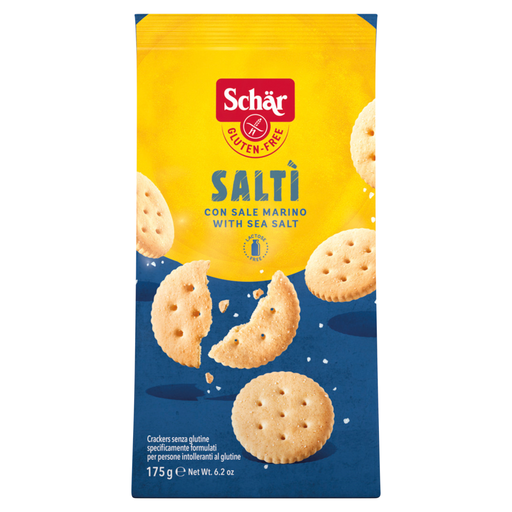
A savoury cracker choice for a breakfast spread with cheese or other toppings, rather than a plain digestive. The product information notes possible soya and lupin traces; read the pack’s current allergen statement before serving.
Choose a digestive specifically labelled gluten-free and check the current pack’s ingredients and allergen statement. The word “digestive” on its own does not tell you whether a biscuit is suitable for someone avoiding gluten.
No. The Food Standards Agency notes that oats remain an allergen even when a food is gluten-free. If someone needs to avoid oats, check the recipe rather than relying on the gluten-free label alone.
Asda and Tesco list their gluten-free digestives as milk-free and suitable for vegans; Sainsbury’s describes its version as milk-free and prepared to a vegan recipe. Schär’s digestive is listed as lactose-free and suitable for vegans, which is not the same as a milk-free claim. Check the current pack for the requirement that matters to your table.
No. Asda’s digestive may contain nuts, while Sainsbury’s says its digestive is not suitable for customers with a nut allergy because of manufacturing methods. Schär’s digestive contains soya and may contain lupin. Read the allergen statement on the exact pack before serving it.