Hosts serving a guest with coeliac disease
Choose an identifiable gluten-free biscuit and plan how to serve it away from ordinary biscuits. Coeliac UK advises taking care to prevent gluten-containing crumbs from reaching gluten-free food.


Choose a digestive biscuit whose pack is labelled gluten-free, then check its ingredients and allergen advice against each guest’s needs. An oat-free recipe is a different choice from a digestive made with gluten-free oats, while a chocolate version may have different allergens from a plain one. Keep suitable biscuits separate from ordinary biscuits when serving them.
Choose an identifiable gluten-free biscuit and plan how to serve it away from ordinary biscuits. Coeliac UK advises taking care to prevent gluten-containing crumbs from reaching gluten-free food.
Check whether the guest eats gluten-free oats, then read the particular pack for milk, soya, nuts and any other relevant allergen advice. A gluten-free label does not answer those separate questions.
A chocolate digestive may fit the hunt, but check it separately from a plain biscuit. Asda’s listed gluten-free chocolate digestives contain milk and soya.
Start with the gluten-free label and the guest’s other dietary requirements; then plan quantities and a separate serving space for the biscuits you choose.
| Priority | What to check | Your needs |
|---|---|---|
| Gluten-free identification | Look for an explicit gluten-free label and read the current pack. The Food Standards Agency defines gluten-free as no more than 20 mg/kg of gluten in the food as sold. | I’m serving someone who needs a gluten-free biscuit, so a familiar brand name or the word “digestive” alone is not enough. |
| Oats and other allergens | Check whether the recipe uses gluten-free oats and read its milk, soya, nut and precautionary allergen information. Check plain and chocolate variants separately. | If my guest avoids oats, I need an oat-free recipe. If I’m choosing chocolate biscuits, I also need to check whether that particular version contains milk or soya. |
| Serving separately | Keep gluten-free biscuits apart from ordinary biscuits. Coeliac UK advises cleaning surfaces and utensils with hot soapy water to help avoid gluten cross-contamination. | When both kinds of biscuit are offered, I want guests to be able to identify the suitable ones without ordinary biscuit crumbs reaching them. |
| Quantity and availability | Use the stated pack weight and check the pack for biscuit count or portions. Check local availability before planning the hunt around a particular product. | I need enough suitable biscuits for the guests, with another labelled option in mind if my first choice cannot be bought. |
pladis says McVitie’s Original Digestives use wheat. Crumbs from ordinary biscuits can also reach food set aside as gluten-free.
Identify the gluten-free pack before serving and give those biscuits a separate, clean serving space.
Some listed gluten-free digestives contain oats, and Asda’s listed chocolate version contains milk and soya. The allergen profile of one variant does not establish that of another.
Check each guest’s requirements against the ingredients and precautionary advice on the current pack.
A product listing does not establish that the biscuits will be available when you shop for the hunt.
Check availability before settling the menu and identify another suitable, labelled biscuit if needed.
Changing plans may mean another shopping trip or choosing a different biscuit that meets the same requirements.
These distinctions concern particular biscuits or ranges, not every product made by each brand.
Schär UK lists a gluten-free digestive recipe made with maize, soya and buckwheat rather than oats.
Asda lists plain and chocolate gluten-free digestives with different allergen information.
Tesco lists plain Free From Digestive Biscuits made with gluten-free oat flour.
Sainsbury’s has listed oat-based Free From Digestives for shoppers comparing plain biscuits.
McVitie’s Original Digestives are a contrast to the gluten-free digestive options: manufacturer pladis says they use wheat.
M&S describes gluten-free biscuits in its Free From range.
These options include a gluten-free digestive, a gluten-free Hobnob and a gluten-free crispbread. If the hunt calls specifically for digestive biscuits, check the product type before considering the alternatives.
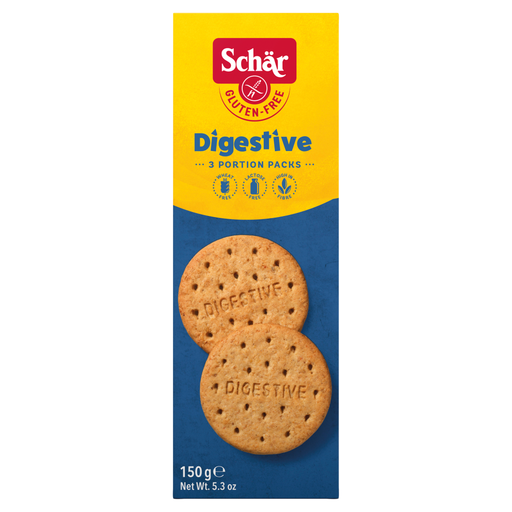 Image unavailable
An oat-free digestive option for a guest who avoids oats. Schär’s listed recipe contains soya and carries precautionary allergen advice, so check the current pack against the guest’s requirements.
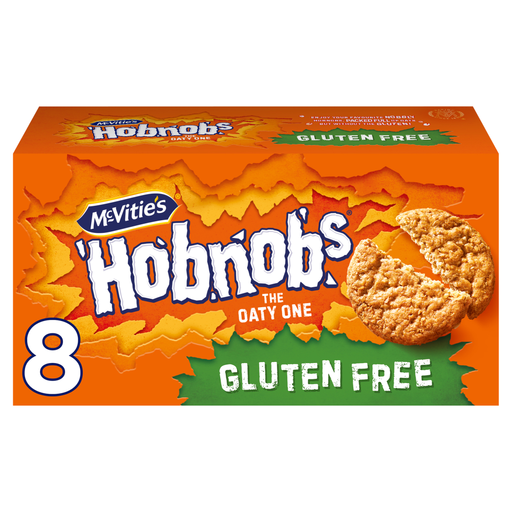 Image unavailable
A gluten-free biscuit alternative if a Hobnob, rather than a digestive, suits the hunt. Check the current pack’s oat and other allergen information for the guests you are serving.
 Image unavailable
A gluten-free crispbread rather than a digestive biscuit. Consider it only if crispbread fits what you plan to serve, and check its current pack for any additional dietary requirements.
No. Tesco’s and Asda’s listed plain gluten-free digestives use gluten-free oats. Coeliac UK notes that some people with coeliac disease are sensitive to gluten-free oats, so check whether the particular guest needs an oat-free biscuit.
Keep the gluten-free biscuits separate and use a clean surface and utensils. Coeliac UK advises washing surfaces and utensils with hot soapy water to help prevent gluten cross-contamination.
Read the current pack before serving the biscuits. Ingredients and allergen information can change, and Asda’s listed chocolate gluten-free digestives contain milk and soya, so do not rely on the details of its plain version.
The Food Standards Agency defines gluten-free as no more than 20 mg/kg of gluten in the food as sold. The label does not tell you that a biscuit is oat-free or free from other allergens; read the full pack for those details.
Follow the instructions on that pack. Tesco’s and Asda’s listed plain digestives specify a cool, dry place and an airtight container after opening.