
24/7 Customer Support

Free returns

Same-day & Next-day Delivery

Quality Guaranteed

Unlock Your Welcome Offers: FREE Delivery | Up to 80% OFF | Free 30-day JoyPlus trial
Download the APP
There are few simple pleasures more quintessentially British than dunking a biscuit into a hot cup of tea. For those navigating a gluten-free diet, however, this daily ritual can be fraught with disappointment. Finding a substitute that delivers the satisfying crunch and oaty flavour of a classic like the Hobnob is a genuine challenge. Many fall short, leaving you with a biscuit that’s either disappointingly bland, unpleasantly gritty or crumbles into dust at the mere sight of a teacup.
As a Joybuy Product Recommendation Officer, my role is to help you sidestep these common shopping frustrations. Before you spend your money on another pack of lacklustre biscuits, let’s look at the typical pitfalls and what really matters when making your choice.
To ensure you get a biscuit that’s both safe and satisfying, focus on these key details before you buy.
Standard porridge or rolled oats, while naturally free from gluten, are almost always grown, harvested or processed alongside wheat, barley or rye. This leads to cross-contamination, making them unsuitable for anyone with coeliac disease. For a truly safe gluten free oat biscuit, the packaging must explicitly state it contains certified gluten-free oats. This certification guarantees the oats have been handled in a dedicated environment from field to factory, ensuring they are safe for coeliac-friendly diets.
Beyond oats, the ingredients list tells the full story. Look at what flours are used—common choices include rice, maize and tapioca starch. The combination of these affects the final texture and taste. Also, pay close attention to the allergen advice. A "may contain" warning for nuts, milk or soya is important information if you have other sensitivities. For those with coeliac disease, a clear "free from gluten" statement is non-negotiable.
Instead of a generic list, we've matched our recommendations to the specific needs of different biscuit lovers.
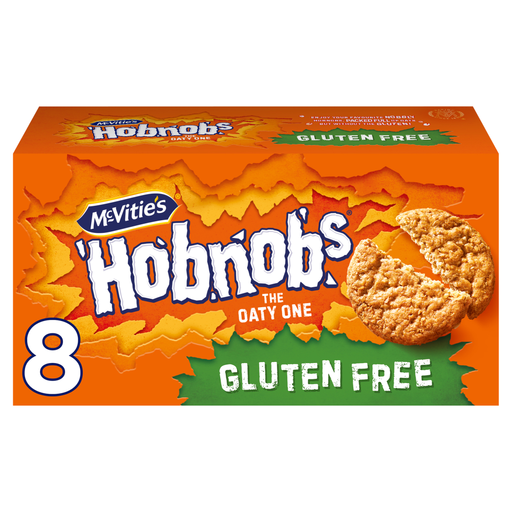
Why This Fits Their Persona: For those who simply miss the original, this is the official gluten-free version from McVitie's. It's designed to deliver that familiar, comforting taste and robust texture, making it the ideal choice for a proper cup of tea.
This biscuit directly solves the "Texture Trap" by using a recipe specifically developed to mimic the original's knobbly, crunchy feel, ensuring it holds up to dunking.
Made with gluten free rolled oats and wholegrain oat flour, it successfully captures the signature Hobnob character. It offers the authentic brand experience for those with coeliac disease.

Why This Fits Their Persona: Ideal for the shopper who reads the nutritional information carefully. This biscuit is for those who want a satisfying, oaty treat but are also conscious of sugar intake and prefer wholegrain ingredients.
It sidesteps the "Health Halo" pitfall. The product description notes it contains 35% less sugar than the average sweet gluten-free biscuit, offering a genuinely more mindful option.
Made with a high percentage (57%) of gluten free wholegrain oats and sustainable palm oil. The handy pouch packs also make them a great on-the-go snack.
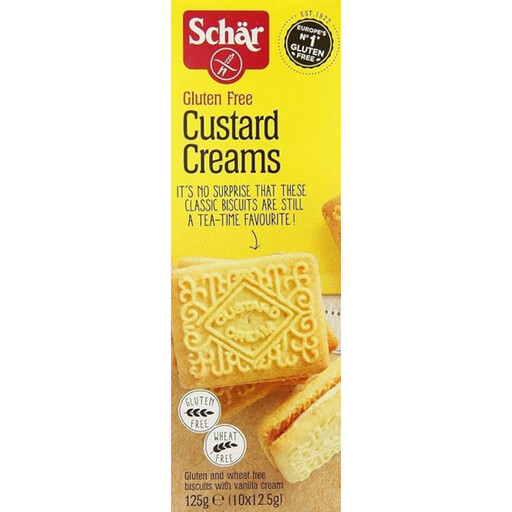
Why This Fits Their Persona: For moments when you crave a different kind of classic. This is for the person who misses the simple joy of a custard cream and wants a reliable, safe version without compromising on the creamy filling and crisp biscuit.
It avoids the "Confusing Allergen Labels" pitfall by being specifically formulated to be both gluten-free and lactose-free, making it an inclusive and trustworthy choice for multiple dietary needs.
This biscuit successfully recreates a nostalgic favourite and is also suitable for vegans. The portioned servings make it convenient for lunchboxes or a controlled treat.
We have compiled a complete, real-time list of products that fully satisfy these strict selection criteria and UK safety regulations.
No. While oats are a naturally gluten-free grain, they are very often grown and processed in proximity to wheat, which leads to cross-contamination. For someone with coeliac disease, this makes regular oats unsafe. You must always look for products made with certified gluten-free oats to ensure they are suitable.
McVitie's Gluten Free Hobnobs and other coeliac friendly biscuits are now widely available across the UK. You can find them in the 'free from' aisles of most major supermarkets and through online grocers like Joybuy. Shopping online allows you to easily compare ingredients, check for allergen warnings and have them delivered directly to your door.
That unpleasant gritty texture is often a result of the flour blend used. Many gluten-free recipes rely heavily on rice flour, which can sometimes feel sandy if not balanced correctly. More successful recipes use a careful mix of different flours and starches (like maize, tapioca or potato starch) along with binders like xanthan gum to create a smoother, more pleasant mouthfeel that better mimics traditional wheat-based biscuits.