Coeliac breakfast planners
Choose bread with an explicit gluten-free label, then check the sausages, haggis, black pudding, tattie scones and sauces separately. Coeliac UK also advises preventing cross-contact through shared surfaces and equipment.


Choose a labelled gluten-free plain naan if you want warm bread alongside the savoury breakfast, or a gluten-free sliced loaf if you want the familiar toast format. Garlic-and-coriander naan adds seasoning; a gluten-free oatcake is a crisp alternative for someone who eats gluten-free oats. For a coeliac diner, check the other breakfast foods and shared cooking equipment separately—the bread’s label does not cover the whole plate.
Choose bread with an explicit gluten-free label, then check the sausages, haggis, black pudding, tattie scones and sauces separately. Coeliac UK also advises preventing cross-contact through shared surfaces and equipment.
Decide whether plain warm naan or garlic-and-coriander naan suits the plate better than sliced toast. VisitScotland includes toast in its description of a traditional full Scottish breakfast; naan changes that bread format.
Check milk, egg and precautionary allergen information on each product, not just its gluten-free claim. The listed Asda plain naan and Tesco garlic-and-coriander naan differ on egg.
Start with the exact bread’s label and ingredients, then choose a format that suits the meal and the way it will be prepared.
| Priority | What to check | Your needs |
|---|---|---|
| Gluten-free claim | Look for the claim on the exact pack, rather than judging by flavour or appearance. For food sold to consumers in the UK, the Food Standards Agency states that “gluten-free” means no more than 20 mg/kg gluten in the food as sold. | I need to distinguish a labelled gluten-free naan from an ordinary naan. Waitrose’s listed plain naan, for example, contains wheat flour and wheat gluten. |
| Bread format | Compare a plain naan, seasoned naan, sliced loaf and crisp oatcake by the bread you want to serve. Check whether a flatbread is actually described as naan before treating the two as interchangeable. | For familiar toast, I would choose a gluten-free loaf; for warm bread on the side, plain naan may fit. Garlic and coriander or a crisp oatcake would change the meal further. |
| Other ingredients | Read the exact ingredients and allergen warnings for egg, milk and any other relevant restrictions. Asda labels its listed plain naan milk and egg free; Tesco’s listed gluten-free garlic-and-coriander naan contains dried egg white. | Gluten free alone does not answer my household’s other ingredient questions. I need the current pack information for each diner’s restrictions. |
| Whole-breakfast preparation | Check processed breakfast components and sauces individually. Coeliac UK advises clean surfaces and utensils, protected toasting, and clean oil or a separate fryer when preparing gluten-free food. | If ordinary bread is being cooked nearby, I need the gluten-free portion prepared without shared crumbs or cooking oil. |
| Pack and storage | Compare the number of pieces and weight on the same basis, then check availability and the pack’s heating, opened-pack and freezing directions. | A two-piece pack may suit one breakfast differently from a loaf I can use over several meals. I would check the pack directions before buying ahead. |
A plain flavour or similar appearance does not establish a gluten-free claim. Waitrose’s listed plain naan contains wheat flour and wheat gluten.
Choose a product explicitly labelled gluten free and read the current pack.
Other components may have separate ingredients, while shared utensils, oil and toasters can introduce gluten to the gluten-free portion.
Check each prepared component and follow Coeliac UK’s advice on clean equipment and protected toasting.
Tesco’s listed gluten-free garlic-and-coriander naan contains egg; its separate BFree naan listing carries a mustard-and-sesame precaution.
Compare the ingredients and warnings on the exact product against each diner’s restrictions.
These examples show why the exact product matters: a retailer’s gluten-free bread and its ordinary naan need not have the same ingredients.
A plain-naan option for a breakfast where added garlic and coriander are not wanted.
Its listed own-label garlic-and-coriander naan offers a seasoned gluten-free format.
Its listed Free From naan is another plain gluten-free format.
Its listed gluten-free loaf and plain flatbreads offer toast and flatbread formats rather than a documented gluten-free naan.
Its listed Nairn’s gluten-free oatcakes offer a crisp alternative to soft bread.
Check the exact bakery product rather than assuming a loaf can stand in for gluten-free naan.
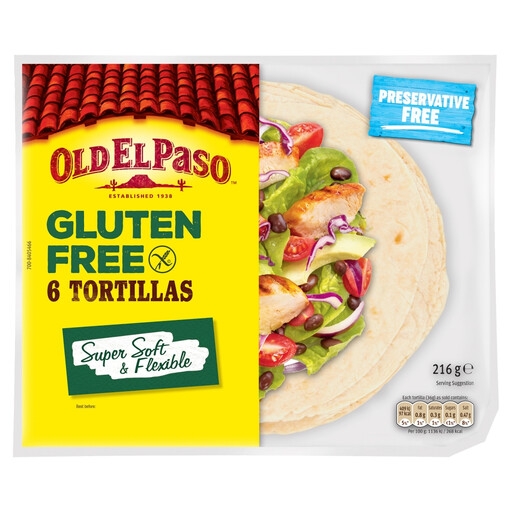
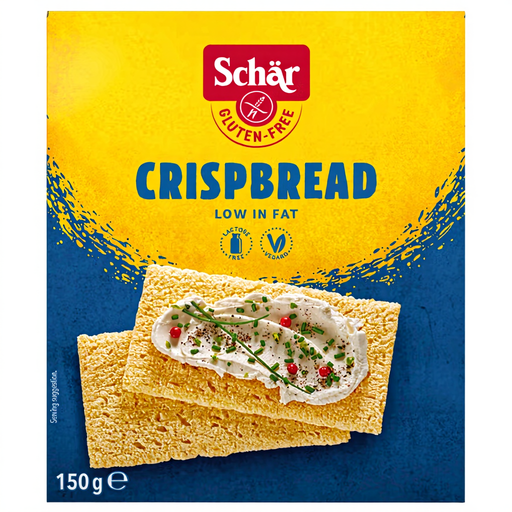
These Joybuy options are a gluten-free tortilla wrap for a flatbread-style side and a gluten-free crispbread for a crunchy side. Neither is naan or the sliced toast discussed above.
 No image available
A gluten-free wrap to consider if you want a flatbread-style side with breakfast. It is a tortilla, not naan; check the pack’s ingredients and preparation directions for your meal.
 No image available
A gluten-free crispbread for a crunchy bread option alongside breakfast. It is not soft naan or an oatcake; check the current pack for ingredients and allergen precautions.
No. Its claim applies to the bread, not to sausages, haggis, black pudding, tattie scones, beans or sauces. Check each prepared component and prevent cross-contact during cooking.
Not necessarily. Asda labels its listed plain naan milk and egg free, while Tesco’s listed gluten-free garlic-and-coriander naan contains dried egg white. Read the exact pack for each restriction.
Follow the product’s heating directions and use clean surfaces and utensils. Coeliac UK advises toaster bags or a separate toaster for gluten-free bread, and clean oil or a separate fryer for gluten-free frying.
No. Coeliac UK says a small number of people with coeliac disease remain sensitive even to gluten-free oats. Nairn’s listed oatcakes also state that they are unsuitable for people who react to oat avenin.
For food sold to consumers, the Food Standards Agency states that a gluten-free claim means no more than 20 mg/kg of gluten in the food as sold. Its separate “very-low gluten” designation has a higher limit, so check which claim appears on the exact product.