Gluten-free endurance riders
You need a gluten-free pasta base for training meals or sportives and check the current label rather than judging suitability from the grains alone.


Start with pasta that carries a gluten-free claim on its current label, then choose a shape and portion that work for the meal you plan to make. Before an important ride, favour a complete meal you have already tolerated in training rather than trying a new pasta or sauce. A pasta meal is separate from the food and fluids you plan to take on a long ride.
You need a gluten-free pasta base for training meals or sportives and check the current label rather than judging suitability from the grains alone.
You want a familiar meal before a demanding ride. Sports Dietitians Australia advises choosing foods you know you tolerate before exercise.
You make pasta meals often, so pack size, preparation time and the carbohydrate information for your usual portion help you choose a repeatable meal.
Every choice starts with the current gluten-free label. Beyond that, consumers differ in the concern they put first when planning a cycling meal.
| Concern | What to check | Who this matters to |
|---|---|---|
| Gluten-free suitability | Check the gluten-free claim and allergen information on the current pack, especially if the product or recipe changes. | If gluten avoidance drives my choice, I need a clear claim rather than an assumption based on maize or rice; about 33% of consumers put label assurance first. |
| Carbohydrate in a portion | Read the carbohydrate figure and serving size, checking whether the nutrition values refer to dry or cooked pasta. | When I plan a meal around training, I want to know what my usual serving contributes. About 27% of consumers place portion-based carbohydrate planning first. |
| Pre-ride familiarity | Try the pasta, portion, sauce and timing in training; if gut upset is a concern, consider the meal's fat and fibre content. | Before a hard ride, I would rather repeat a meal I know I tolerate than experiment on the day; for about 20% of consumers, that familiarity is the main concern. |
| Everyday preparation | Check pack size, cooking instructions and whether the amount suits the meals you regularly make. | If pasta is a regular training meal, I need a pack and cooking routine that fit how I prepare it; ease of repeat preparation comes first for about 20% of consumers. |
The Food Standards Agency states that a gluten-free claim applies to food containing no more than 20 mg/kg gluten as sold to the final consumer. A grain description alone is not the claim.
Read the current pack's gluten-free claim, ingredients and allergen information when choosing or changing products.
A gluten-free label does not tell you whether the pasta, portion or sauce will be comfortable for you before a demanding ride.
Try the complete meal and its timing in training. Sports Dietitians Australia advises familiar, well-tolerated food before exercise.
A meal before a sportive is distinct from what you plan to eat and drink while riding.
Plan the pre-ride meal and on-bike food and fluids separately, taking account of the ride and what you can comfortably use.
A value for cooked pasta cannot be compared directly with a value for dry pasta without checking the stated basis and serving size.
Compare labels on the same dry-or-cooked basis, then use the portion you intend to prepare.
Barilla offers a UK gluten-free pasta range with several shapes.
Tesco Free From includes standard gluten-free pasta shapes for regular meals.
Sainsbury's Free From range includes several pasta shapes.
Asda Free From Penne is a 500 g pasta option for shoppers comparing familiar shapes.
M&S Made Without Penne is a maize-and-rice pasta.
Dolmio is relevant here as a pasta-sauce brand, not as a dry-pasta choice.
This gluten-free lasagne option suits a planned pasta meal; before using it as a pre-ride meal, check the current label and try the complete dish in training.
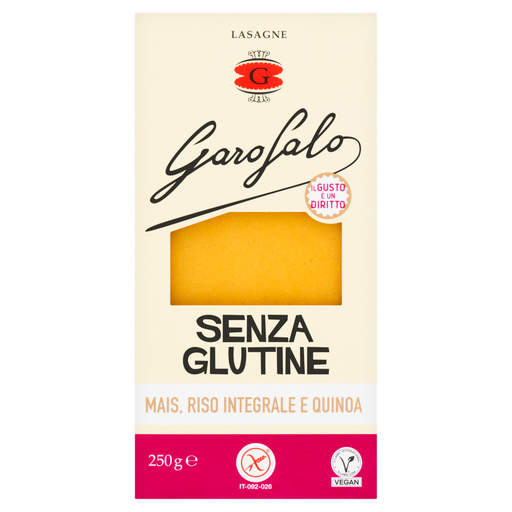 Image unavailable
For a gluten-free meal made with lasagne sheets, this is a 250 g pack. Check the current label's nutrition basis before planning a portion, and try the complete dish in training if you intend to eat it before an important ride.
The Food Standards Agency states that a gluten-free claim applies when the food contains no more than 20 mg/kg gluten as sold to the final consumer. Check the current pasta label and allergen information rather than relying on its grain description.
No single pre-ride meal replaces a plan for food and fluids during a long ride. British Cycling discusses carbohydrate intake during sportives; consider that on-bike plan separately from the pasta meal and choose foods you can use comfortably.
Choose a familiar meal you have tolerated rather than selecting pasta for its fibre content alone. Sports Dietitians Australia advises familiar, well-tolerated food before exercise; if gut upset is a concern, try the specific pasta, sauce, portion and timing in training.
Check whether each value is for dry or cooked pasta and whether it is given per 100 g or per serving. Compare figures on the same stated basis before using them to plan your portion.
Choose by the current gluten-free label, the meal you intend to prepare and your familiarity with it, rather than a cycling label. For a pre-ride meal, trial the pasta and accompaniments during training.