Hosts checking gluten and allergens
If a guest needs to avoid gluten, you need to check the pasta, every addition to the dish and how it will be handled. Food Standards Agency guidance also addresses allergen cross-contact during preparation.


For a shared festival meal, start with pasta whose current pack is labelled gluten-free, then choose the shape for the dish: long pasta for a simple hot serving, or penne or lasagne for a planned sauce dish or bake. Check sauces and toppings separately, and plan how the food will be prepared and served in a shared kitchen; a gluten-free pasta base does not settle every guest’s allergen requirements.
If a guest needs to avoid gluten, you need to check the pasta, every addition to the dish and how it will be handled. Food Standards Agency guidance also addresses allergen cross-contact during preparation.
If everyone is sharing one pasta dish, the shape needs to suit the recipe and the dry pack weight needs to cover the portions you plan to serve. The Tesco, Barilla and M&S examples here come in different shapes and pack sizes.
If the menu calls for a substantial sauce or a tray bake, choose a shape for that serving style before buying packs. Barilla describes its gluten-free penne for several sauces and baked dishes; check the directions for whichever pasta you choose.
Settle the guest’s label and preparation requirements before choosing a shape; then plan the dish, cooking schedule and quantity.
| Concern | What to check | Who this matters to |
|---|---|---|
| Gluten labelling and allergen handling | Read the current pasta, sauce and topping labels; check preparation arrangements where food is shared or catered. | If I am serving someone who must avoid gluten, I need to know what is in the whole dish and how it will be handled. About 33% of consumers would put labelling and allergen handling first. |
| Shape for the shared dish | Match long pasta to a hot serving, or consider penne for a substantial sauce or bake. | For a shared tray dish, I want a pasta shape that fits the recipe and is straightforward to serve. Roughly 27% of consumers would make dish format their primary concern. |
| Cooking and serving time | Check the pack’s cooking directions and whether the planned sauce needs a separate preparation step. | With several dishes to prepare, I need a cooking schedule that fits the serving window. Around 20% of consumers would prioritise preparation and serving time. |
| Quantity for the group | Use dry pack weight and the exact product’s serving guidance to work out how many packs to buy. | When I am feeding a group, I need enough pasta without mistaking a small pack for the same quantity as a larger one. About 20% of consumers would put portion planning first. |
Sauce, cheese, toppings and shared preparation equipment need separate attention. The Food Standards Agency advises protecting food from allergen cross-contact.
Check each component and, where relevant, use separate clean pans, strainers and serving utensils. Ask a food business for its allergen information when it prepares the meal.
The Tesco Free From tagliatelle example is 250 g, while the cited penne and spaghetti examples include 400 g and 500 g packs. The same pack count will not give the same dry quantity.
Work out portions using the serving guidance for the pasta you buy, then calculate the number of packs from their dry weight.
Smaller packs may mean opening and preparing more packs for the group.
Long pasta and penne serve different menu plans. Barilla describes its gluten-free penne for sauces and baked dishes, while spaghetti offers a straightforward long-pasta option for a hot serving.
Decide whether the meal is a hot bowl, sauce dish, bake or pasta salad, then check the chosen product’s directions. For a make-ahead dish, try the complete recipe before preparing it for a group.
Tesco and M&S advise that ingredients and allergen information can change. A range name also does not establish the details of every pasta or accompanying sauce.
Make the final ingredient and allergen check against the current pack or up-to-date product information for the exact item.
Tesco Groceries lists gluten-free dried spaghetti and tagliatelle that offer two long-pasta shapes for a hot shared meal.
Barilla UK lists gluten-free spaghetti and penne for shoppers choosing a shape around the planned dish.
Tesco Groceries lists Rummo Gluten Free Penne Rigate No. 66 as a 400 g rice-and-corn pasta made with bronze dies.
Marks & Spencer lists a 500 g Made Without Gluten, Wheat and Egg penne made from maize and rice flour.
Dolmio is a sauce option to assess separately from gluten-free pasta, rather than a pasta choice in this selection.
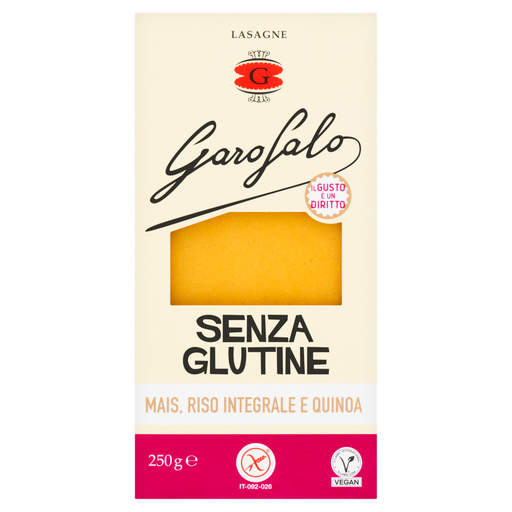
This gluten-free lasagne is an option to consider if the festival meal is a shared baked pasta dish. Plan the recipe and quantity using the directions on the pack.
 No image available
For a shared baked pasta dish, this gluten-free lasagne comes in a 250 g pack. Check its cooking directions and allergen information, then work out how many packs the group needs.
The Food Standards Agency defines gluten-free for food sold to the final consumer as no more than 20 mg/kg of gluten. Check the current pack for that claim; the label on the pasta does not describe the sauce or finished meal.
No. Check the pasta, sauce, toppings and garnishes against the guests’ requirements, and consider how the dish is prepared and served. Food Standards Agency guidance addresses the risk of allergen cross-contact during food preparation.
Choose the shape for the recipe: long pasta is an option for a simple hot serving, while Barilla describes its gluten-free penne for sauces and baked dishes. If serving a make-ahead pasta salad, try the chosen pasta with its dressing before preparing a group-sized dish.
Use the serving guidance on the exact pack, calculate the total dry weight needed and compare it with the pack size. The products discussed here include 250 g, 400 g and 500 g packs, so pack count alone is not enough.
You can consider one if its current ingredients and allergen information suit the meal. Dolmio says its Tomato and Basil Stir In sauce can be added to hot cooked pasta without separate heating, but the pasta’s gluten-free label does not establish the sauce’s status.