Strict gluten-avoidance shoppers
You need a clear gluten-free claim on the finished product and want to read its ingredients and advisory wording before serving it. Coeliac UK explains how allergen information appears on prepacked food labels.


When gluten avoidance is the main requirement, start with packaged pasta explicitly labelled gluten-free, then check the current ingredients and allergen information. The Food Standards Agency states that a gluten-free claim means no more than 20 mg/kg of gluten in the food as sold to the final consumer. Once the pack suits your needs, choose a shape and stated cooking time that fit the breakfast you plan to make, and check sauces and toppings separately.
You need a clear gluten-free claim on the finished product and want to read its ingredients and advisory wording before serving it. Coeliac UK explains how allergen information appears on prepacked food labels.
You want dry pasta in a familiar shape and a pack size that works for the meal you have planned. Tesco and Sainsbury’s list Free From pasta in 500 g packs.
You want a pasta format with cooking instructions you can fit around a savoury weekend meal. Barilla states an 11-minute cooking time for its Gluten Free Spaghetti No. 5; other products need their own pack instructions checked.
Establish whether the pasta’s current label meets your requirements before choosing a shape or planning when to cook it.
| Concern | What to check | Who this matters to |
|---|---|---|
| Gluten-free claim and allergens | Look for the gluten-free claim on the finished pack, then read the ingredients and advisory wording. The Food Standards Agency gives a limit of 20 mg/kg for a UK gluten-free claim. | If avoiding gluten comes before shape or convenience, I need the finished pasta to carry a clear claim rather than relying on its main ingredient. About 45% of consumers put label confidence first. |
| Pack and shape | Check the pack size and whether the pasta format suits the dish. Tesco and Sainsbury’s each list 500 g Free From shapes. | For a household breakfast, I want enough pasta in a shape that works with what I plan to serve. Roughly 28% of consumers make pack and shape choice their main concern. |
| Preparation and the rest of the meal | Read this pack’s cooking instructions and check sauces and toppings independently for relevant allergens. | When breakfast needs to fit a preparation window, I want to know how to cook the pasta and whether the other ingredients suit everyone eating it. About 27% of consumers prioritise that meal-planning need. |
An ingredient on its own does not establish whether the packaged product carries a gluten-free claim. In the UK, the Food Standards Agency’s limit for that claim applies to the food as sold.
If gluten avoidance is essential to your choice, look for the claim on the current pack and read its ingredient and allergen information.
A suitable pasta does not establish that every other part of the meal suits your requirements. Dolmio identifies milk in its Intensify Mild Creamy Garlic & Black Pepper Pasta Sauce, for example.
Read the label on each component you intend to serve, rather than applying the pasta’s claim to the whole dish.
A retailer’s range and local availability can change, which matters if your breakfast depends on one specific shape or product.
Confirm the pack and its current label where you intend to shop before making it central to the meal.
Tesco’s Free From dry-pasta range is a reference point if you want familiar shapes for a cupboard-staple meal.
Sainsbury’s Free From range offers another supermarket route for shoppers choosing a familiar dry-pasta shape.
Barilla Gluten Free Spaghetti No. 5 is a specific long-pasta option when its stated cooking time fits your meal plan.
M&S Made Without Gluten, Wheat and Egg Penne is worth checking when those named exclusions and a penne format match your requirements.
For a weekend breakfast where noodles or lasagne suit your plan, these Joybuy selections include two products named gluten-free and a konjac-noodle alternative. Check each current pack’s claim, allergen information and preparation instructions before deciding.
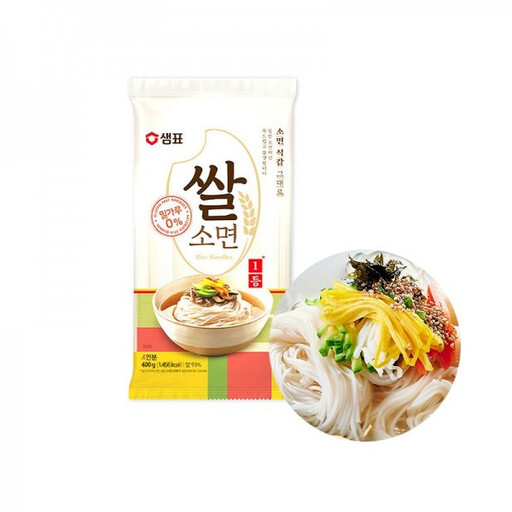 Image unavailable
Consider these rice noodles if a noodle dish fits your savoury breakfast plan. The product name states gluten-free and a 400 g pack; check the current label for the claim and any allergen advice, and use the pack instructions to plan preparation.
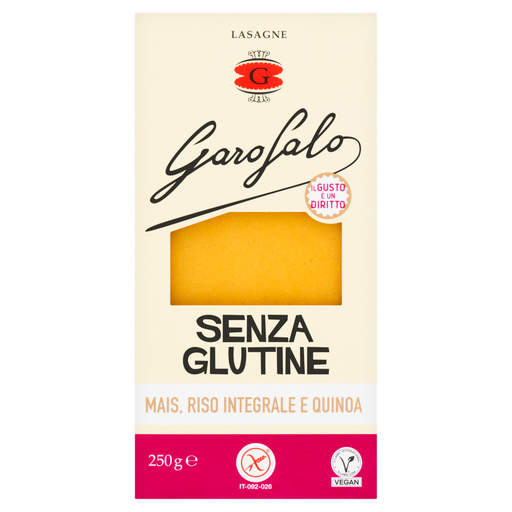 Image unavailable
Choose a lasagne format only if it suits the meal you intend to prepare, rather than assuming it will fit a quick breakfast. The product name states gluten-free and a 250 g pack; check its current label and preparation instructions before planning the dish.
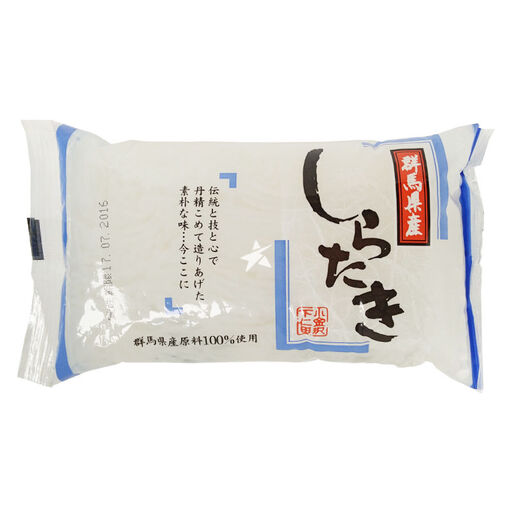 Image unavailable
These konjac noodles are an alternative to conventional pasta if that format suits your planned breakfast. The product name states a 420 g pack but does not itself establish a gluten-free on-pack claim; read the current label and preparation instructions before choosing them for gluten avoidance.
The Food Standards Agency states that food labelled gluten-free must contain no more than 20 mg/kg of gluten as sold to the final consumer. Check that the claim appears on the pasta pack you are buying rather than assuming it from the type of flour or noodle.
Yes. A gluten-free claim does not establish whether the pasta meets every other allergy or dietary requirement. Coeliac UK explains that cereals containing gluten must be emphasised in the ingredients list of prepacked food; read the full current label for any other information relevant to you.
Assess the advisory statement separately from the gluten-free claim. Coeliac UK explains that this wording indicates a manufacturer-identified cross-contamination risk; if the label does not give you enough information for your requirements, contact the manufacturer before buying.
No. Check the ingredients and allergen information for each sauce and topping as a separate food. The Dolmio Intensify Mild Creamy Garlic & Black Pepper Pasta Sauce, for instance, identifies milk, which may matter for someone with an additional requirement.