Campers who need gluten-free food
The gluten-free claim on the exact sauce matters to these campers, including people managing coeliac disease or gluten intolerance. They also need to read the current pack’s allergy advice.


For a gluten-free camping meal, choose a sauce whose current pack explicitly says ‘gluten free’, then check its full ingredients, allergy advice and storage instructions. A jar stored in a cool, dry place before opening can fit a food box, but some sauces must be refrigerated after opening; match the amount you pack to the meal and your available refrigeration.
The gluten-free claim on the exact sauce matters to these campers, including people managing coeliac disease or gluten intolerance. They also need to read the current pack’s allergy advice.
An unopened jar may be practical to carry in a food box, but a partly used jar can be difficult to keep if its label requires refrigeration after opening.
A gluten-free sauce still needs to be checked against everyone’s other relevant allergens and dietary preferences before it goes into the shared meal.
For camping, check the sauce’s gluten-free claim and allergy advice before deciding whether its jar size, storage instructions and flavour suit the meal.
| Concern | What to check | Who this matters to |
|---|---|---|
| Gluten and other allergens | Look for ‘gluten free’ on the exact pack, then read its ingredients and allergy advice. | If I need a gluten-free camp meal, I want a clear claim without overlooking another allergen in the sauce. About 50% of consumers put gluten-free and allergen suitability first. |
| Storage and portions | Check storage instructions both before and after opening, and choose an amount the group can use or refrigerate as directed. | When I cannot keep leftovers chilled, I need a jar we can finish at the meal. Opened-jar storage and portion planning come first for about 30% of consumers. |
| Flavour and dietary fit | Check the flavour, ingredients and any stated dietary suitability for the exact variety. | For a mixed group, I need a sauce people will eat that also fits their other dietary requirements. Flavour and broader dietary fit are the primary concern for about 20% of consumers. |
Tomato ingredients or a familiar brand do not establish the gluten content of a particular sauce. Food Standards Agency and Food Standards Scotland guidance sets a limit of no more than 20 mg/kg of gluten for food sold with a ‘gluten-free’ claim.
Check for that claim on the current pack, then read the ingredients and allergy advice for the exact variety.
Waitrose & Partners lists Heinz Tomato & Basil and Heinz Tomato & Chilli sauces as requiring refrigeration and use within two days after opening, despite cool, dry storage instructions before opening.
Choose an amount you can finish at the meal or make sure you can follow the selected jar’s refrigeration instructions.
Otherwise, you may need to carry a cool box or discard leftover sauce.
A gluten-free claim does not cover other allergens. Waitrose & Partners lists Heinz Tomato & Chilli as gluten-free while warning that it may contain peanuts and almonds.
Read the complete allergy advice against the needs of everyone eating the sauce.
The jar you take needs to meet your requirements, including its current ingredients and instructions.
Before leaving, check the sealed pack’s gluten-free claim, allergy advice, storage instructions and date.
Tesco Groceries has a dedicated gluten-free sauces category that lists Tesco Free From Tomato and Herb Sauce 500G.
Dolmio’s UK site presents a pasta-sauce range, including a no-added-sugar line.
Napolina presents tomato products and other Italian cooking ingredients that may be relevant to a camp pasta meal.
These options include two tomato-based pasta sauces and a basil pesto for a different pasta flavour. For each one, confirm the gluten-free claim, other allergens and camping storage instructions on the current pack.
 Image unavailable
Consider this tomato sauce when the group wants a mascarpone and Grana Padano recipe and can account for milk and egg allergens. The listing describes it as naturally gluten-free and says to store it somewhere cool and dry before opening, then refrigerate and consume within two days; confirm those details on the current pack before packing it.
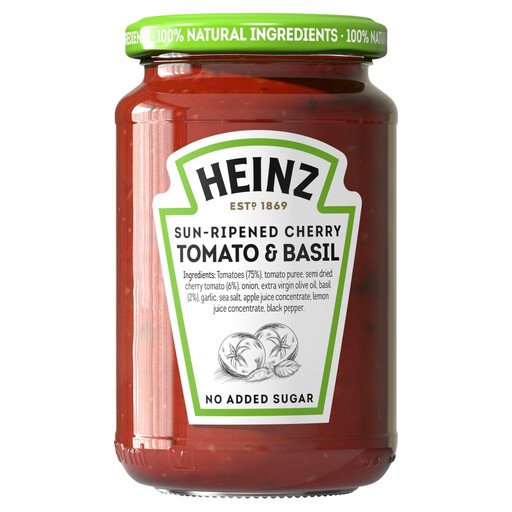 Image unavailable
This is a tomato-and-basil option for a camp pasta meal. The listing says it contains no gluten and specifies cool, dry storage before opening; it also says to refrigerate after opening and use within ‘a few days’. Check the current pack’s gluten-free claim, allergy advice and precise storage instructions, particularly if you expect leftovers.
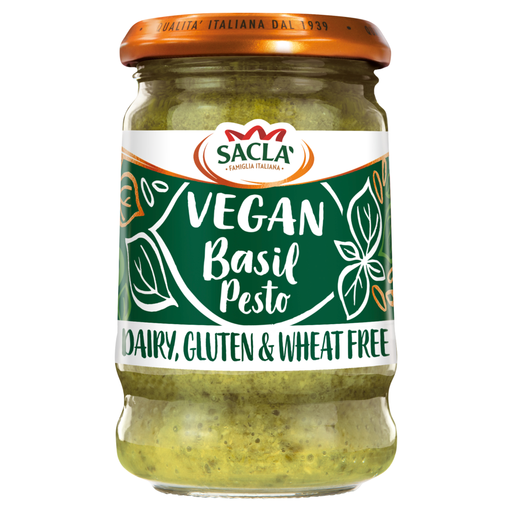 Image unavailable
Choose this only if basil pesto, rather than a tomato-based sauce, suits the planned pasta meal. The listing describes the 190g pesto as free from gluten and vegan, and identifies cashew and pine nuts. Check the current pack’s gluten-free and allergen information as well as its unopened and opened storage instructions before taking it camping.
Food Standards Agency and Food Standards Scotland guidance states that food sold with a ‘gluten-free’ claim must contain no more than 20 mg/kg of gluten in the food as sold to the consumer. Check the current sauce pack for the claim and its separate allergy advice.
No. Vegan suitability and tomato ingredients describe different characteristics; neither replaces an explicit gluten-free claim on the exact sauce.
Follow the selected jar’s instructions after opening. The Heinz Tomato & Basil and Tomato & Chilli examples listed by Waitrose & Partners require refrigeration and use within two days, so plan to finish a jar at the meal if you cannot keep it chilled as directed.
Not necessarily. Gluten-free status does not establish suitability for other allergies: the Heinz Tomato & Chilli listing at Waitrose & Partners, for example, says it may contain peanuts and almonds. Check the exact pack’s ingredients and allergy advice for each person eating it.
Yes, if the whole meal needs to be gluten-free, check the pasta separately. Tesco Groceries lists gluten-free pasta and gluten-free sauces as separate product groups; a claim on one component does not establish the status of the other.