Students prioritising gluten-free labelling
If the sauce must meet a gluten-free requirement, check the claim on the exact product rather than judging it by its tomato-based ingredients or the brand name.


Choose a sauce with a current gluten-free claim on the exact product, then compare its pack size, stated servings and preparation instructions for your dinner. You will also need suitable pasta: a gluten-free sauce does not make ordinary wheat pasta gluten free. Check other allergen information and how long the sauce keeps after opening if either affects your choice.
If the sauce must meet a gluten-free requirement, check the claim on the exact product rather than judging it by its tomato-based ingredients or the brand name.
If you are buying pasta, sauce and add-ins separately, compare the sauce’s pack size and stated servings alongside what you need to complete the meal.
A sauce intended for heating or stirring through cooked pasta keeps preparation straightforward. Check the sauce and pasta separately for gluten-free suitability.
Start with the exact sauce’s gluten-free claim. Once it meets that requirement, compare portions, preparation and any other dietary needs.
| Concern | What to check | Who this matters to |
|---|---|---|
| Gluten-free suitability | Look for a current gluten-free claim on the exact sauce, then read its ingredients and allergen information. | If I need gluten-free pasta sauce, I want the claim on the product I am buying, not an assumption based on its recipe. About 36% of consumers put that certainty first. |
| Meal cost and portions | Compare the standard unit price, pack size and stated servings; account for gluten-free pasta separately. | When I am planning several dinners, the number of portions matters as well as the jar I pick up. Keeping the whole meal within budget is the primary concern for about 29% of consumers. |
| Preparation and leftovers | Read whether the sauce needs heating or can be stirred through pasta, and check storage instructions after opening. | On a busy evening, I want a sauce that fits the time and equipment I have. About 21% of consumers make ease of preparation their main priority. |
| Other dietary needs | Check the exact pack’s ingredients, allergen information and any vegan statement you need. | If someone sharing my dinner avoids another ingredient, gluten-free wording alone does not answer that question. For about 14% of consumers, another dietary or allergen requirement comes first when choosing the sauce. |
A tomato-based recipe or an ingredient list without an obvious gluten cereal is not the same as a gluten-free claim on the sauce.
Check the current gluten-free wording, ingredients and allergen information on the exact pack.
Different pack sizes and stated servings can change how a sauce fits a meal plan. Gluten-free pasta and any add-ins are separate purchases.
Compare unit prices and servings using current shop information, then plan the remaining ingredients.
A retailer’s gluten-free filter does not establish that every sauce in its broader range meets the requirement.
Open the individual product listing and check the label on the pack you buy.
A gluten-free claim does not establish whether a sauce meets a separate allergy or vegan requirement.
Read the exact product’s ingredients, allergen and precautionary information, plus any relevant vegan statement.
For a specific labelled example, Sainsbury’s lists Heinz Tomato Pasta Sauce for Bolognese, 350 g, in its gluten-free category.
Tesco describes Napolina Sundried Tomato & Basil Stir-In Sauce, 250 g, as a sauce to stir through hot pasta.
Dolmio describes a tomato, herb and spice pasta-sauce range, including a no-added-sugar line.
M&S provides gluten-free filters in its jarred and fresh pasta-sauce categories.
These pasta sauces and a stir-through pesto offer different formats for a student dinner. Check each current pack’s gluten-free statement before choosing it, and select the pasta separately.
 No image available
Consider this tomato sauce for a heat-and-stir pasta dinner, provided its current gluten-free statement meets your needs. The jar is 350 g; check its milk and egg information and opened-jar storage instructions if relevant.
 No image available
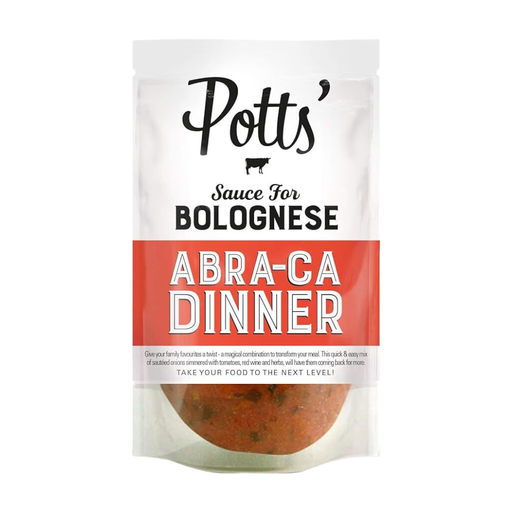
This Bolognese sauce is an option for a pasta dinner once you have checked the current pack’s gluten-free statement. The jar is 400 g; check celery and sulphites information if either matters to you.
 No image available
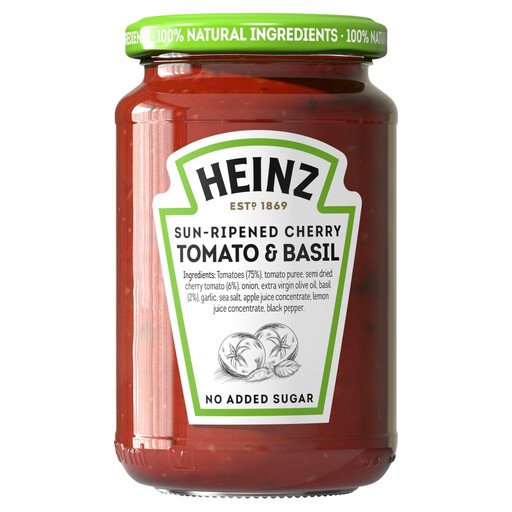
For a tomato-and-basil pasta dinner, check the current pack’s gluten-free wording before use. The jar is 350 g; follow its pack instructions for storing any sauce left after opening.
 No image available
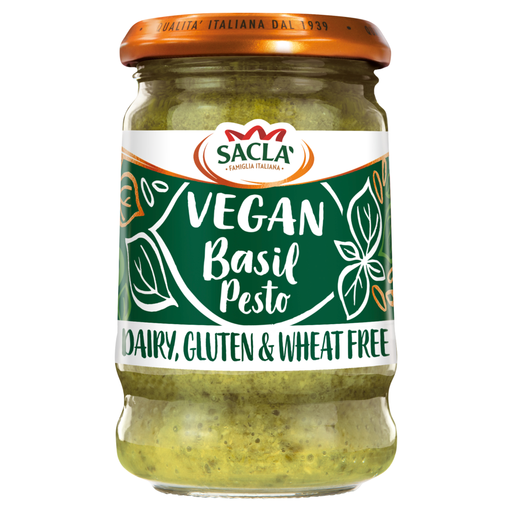
Choose this pesto format if you want a sauce to stir through pasta rather than a tomato-based Bolognese sauce, after checking the current gluten-free statement. The jar is 190 g; check its cashew and pine nut information if relevant.
The Food Standards Agency states that food sold to consumers with a gluten-free claim must contain no more than 20 mg/kg of gluten. Look for that claim on the exact sauce, rather than inferring suitability from its ingredients or flavour.
Yes, if the whole dinner needs to be gluten free. Sauce and pasta are separate foods: a gluten-free sauce does not change the gluten status of ordinary wheat pasta.
Follow the storage and use-by-opening instructions on the exact pack. The Sainsbury’s listing for Heinz Tomato Pasta Sauce for Bolognese says to refrigerate it after opening and use it within two days; do not apply that period to other sauces.
No. Check those requirements separately on the exact product. Sainsbury’s identifies its Heinz Tomato Pasta Sauce for Bolognese as suitable for vegans, while Tesco’s listing for the reviewed Napolina stir-in sauce includes precautionary information for milk, peanut, cashew nut and fish.
Use the listing to narrow your choices, then check the pack you receive for its current gluten-free claim, ingredients and allergen information before cooking. This also lets you confirm the instructions for that particular jar.