Shoppers seeking clear gluten-free labelling
You want to identify a suitable sauce during a routine shop without assuming that a tomato-based recipe or familiar brand is gluten-free.


When gluten avoidance is essential, start with a pasta sauce carrying a gluten-free claim, then check the current jar’s ingredients and allergen advice before putting it in your weekly shop. If your household also avoids milk, eggs or nuts, check those separately; for planned pasta bakes or repeat meals, compare the preparation instructions, servings and storage directions.
You want to identify a suitable sauce during a routine shop without assuming that a tomato-based recipe or familiar brand is gluten-free.
Gluten is only one consideration for your household. Separate milk, egg or nut information may determine whether a particular jar works for everyone.
You need the sauce to fit a pasta bake or another planned dish, with servings and opened-jar storage directions that work for your household.
Check gluten-free suitability before comparing flavour or meal format. For UK prepacked food, Coeliac UK advises reading the emphasised gluten-containing cereals in the ingredients list; a gluten-free claim is specific to the product, not its entire brand.
| Concern | What to check | Who this matters to |
|---|---|---|
| Gluten-free suitability | Look for a gluten-free claim on the current jar, then read its ingredients and allergen advice. | When I cannot rely on a sauce without clear gluten-free labelling, that assurance determines which jar goes in the basket. About 33% of consumers put this need first. |
| Other allergens | Read the exact product’s milk, egg and nut information, alongside any other allergen relevant to your household. | A gluten-free sauce still has to meet my household’s other allergen requirements. This is the primary need for about 27% of consumers. |
| Portions and nutrition | Compare stated servings and nutrition on a consistent basis, such as per 100g or per serving. | If I am planning several meals, I want to know how much sauce each serving uses and what its nutrition panel says. About 20% of consumers prioritise that comparison. |
| Meal format and storage | Check whether the jar suits the planned dish, its preparation instructions and its directions for use after opening. | A sauce intended for a pasta bake may not fit the quick stir-through meal I have planned, and an opened jar needs to fit the week’s meals. Those practicalities come first for about 20% of consumers. |
Colour and flavour are not allergen checks. ASDA Groceries lists barley among the allergens in its Homepride Creamy Tomato and Herb Pasta Bake Sauce.
When a gluten-free sauce is required, look for the claim on the specific jar and read its current ingredients and allergen advice.
A gluten-free statement does not establish that a sauce is milk-free, egg-free or suitable for someone avoiding nuts. The Sainsbury’s Free From tomato-and-herb sauce has a separate peanut and nut manufacturing-method warning.
Check each allergen that matters to your household on the precise product and flavour you intend to buy.
Pasta-bake and stir-through sauces can call for different preparation. Opened-jar directions also differ between the reviewed Tesco and Sainsbury’s Free From sauces.
Match each jar to a planned dish and check whether you can use it within the period stated on its current label after opening.
Tesco Groceries identifies its 500 g Tomato and Herb Sauce as gluten-free, wheat-free and milk-free.
Sainsbury’s Groceries describes its 480 g Tomato and Herb Sauce as gluten-free, milk-free and suitable for coeliacs.
ASDA Groceries identifies its 500 g Tomato and Herb Pasta Bake Sauce as free from gluten, milk and egg.
Marks & Spencer lists pasta sauces across several product lines and provides a gluten-free category filter.
Dolmio is another pasta-sauce brand to consider, including for Bolognese-style sauces.
These Joybuy selections include a basil pesto and two Heinz pasta sauces for shoppers considering gluten-free options. Their product descriptions make gluten-related claims; check the current jar’s wording and full allergen advice before relying on any of them.
 No image available
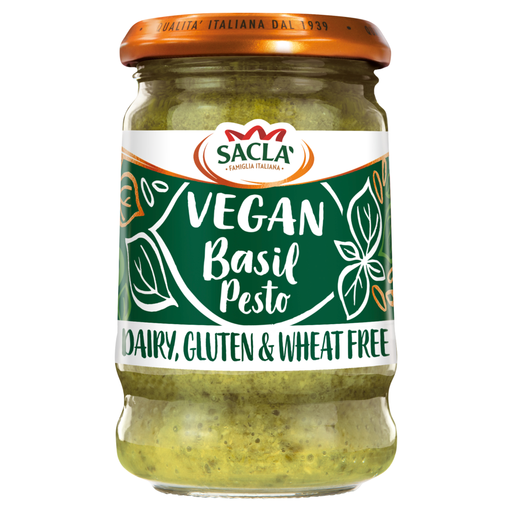
Consider this basil pesto for a pasta meal when a tomato sauce is not required. Its product description calls it gluten-free and dairy-free, but the current jar’s claims and allergen advice should guide the purchase.
It contains cashew nuts and pine nuts. For meals spread across the week, check the pack’s servings and opened-jar directions; the product description says to refrigerate after opening and consume within two weeks.
 No image available
This tomato and cheese sauce is an option to assess when milk and egg are acceptable to the household. Its product description calls it naturally gluten-free, so confirm the current jar’s wording and allergen advice before buying.
The sauce contains milk and egg. The product description says to refrigerate after opening and consume within two days; check the pack’s serving guidance when planning portions.
 No image available
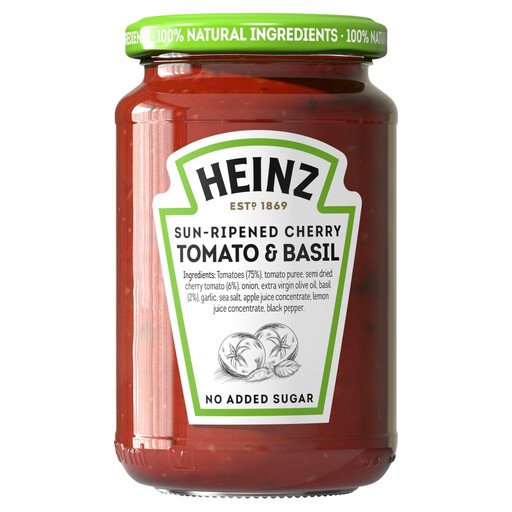
Consider this tomato-and-basil sauce for a pasta meal if the current jar meets your gluten and other allergen requirements. Its product description says it is made without gluten; check the pack rather than relying on the description alone.
For portion planning, consult the jar’s serving guidance. Follow its current directions after opening, as the product description gives no exact number of days.
The Food Standards Agency defines gluten-free food as containing no more than 20 mg/kg of gluten as sold to the final consumer. Check that the claim appears on the particular sauce you are buying; it does not apply automatically to other flavours from the brand.
Yes. Coeliac UK explains that cereals containing gluten must be emphasised in the ingredients list of prepacked food. Read the current jar for ingredients such as wheat, rye or barley, as well as any separate allergy advice.
Not necessarily. Tesco Groceries identifies milk-free status separately for its reviewed Free From Tomato and Herb Sauce, while ASDA Groceries separately identifies milk-free and egg-free status for its reviewed Tomato and Herb Pasta Bake Sauce. Check each declaration on the sauce you intend to buy.
Follow that jar’s refrigeration and use-by-opening directions. The reviewed Tesco Free From sauce says to consume it within seven days of opening, while the reviewed Sainsbury’s Free From sauce says three days; neither period should be applied to a different product.
The current pack is the place to confirm the ingredients and allergen advice for the product in your basket. Sainsbury’s and ASDA both advise shoppers to check packaging because product information can change.