Gluten-free household meal planners
You need to confirm the sauce’s gluten-free declaration and assess the pasta and other additions separately. A brief ingredient list is not a substitute for checking the current pack.


Choose a pasta sauce with a current gluten-free declaration, then select gluten-free pasta and check any other ingredients separately. For several diners, compare the sauce’s stated servings and cooking directions: a jar may suit a pan meal with additions, while a stir-in pot reduces preparation steps but may require more than one pot. Read the current pack for other allergens before serving.
You need to confirm the sauce’s gluten-free declaration and assess the pasta and other additions separately. A brief ingredient list is not a substitute for checking the current pack.
You want enough sauce for the diners and a format that works with additions such as vegetables or mince. Check those additions alongside the sauce and pasta against the household’s requirements.
A stir-in format may reduce sauce preparation, provided the chosen product is labelled gluten free. Check its stated servings before deciding how many pots the meal needs.
For a gluten-free family dinner, establish the sauce’s suitability before comparing servings and preparation. The pasta and other meal ingredients need their own checks.
| Concern | What to check | Who this matters to |
|---|---|---|
| Gluten-free label and allergens | Look for a current gluten-free declaration and read the full ingredient and allergen statement on the pack. | If someone at dinner needs gluten-free food, I want clear confirmation rather than guessing from a tomato-based recipe; other allergens matter to me too. About 50% of consumers put label and allergen certainty first. |
| Servings and flexibility | Compare stated servings and pack size, then check whether the sauce is intended for a pan meal with additions. | When I am feeding several people, I need enough sauce and room to adapt the meal without losing track of what goes into it. Roughly 30% of consumers make flexible family-meal preparation their primary concern. |
| Preparation time | Check whether the sauce needs heating or can be stirred into cooked pasta, and how many servings the pack states. | On a busy evening, I want fewer sauce-preparation steps once I have a suitable gluten-free product. For about 20% of consumers, speed is the main priority. |
An apparently wheat-free ingredient list does not establish that a sauce meets the gluten-free labelling requirement. The UK Food Standards Agency’s guidance sets the threshold for food labelled gluten free at no more than 20 mg/kg of gluten in the food as sold.
Choose a sauce with a current gluten-free declaration and read its full physical label before cooking.
A gluten-free sauce does not make ordinary wheat pasta or unchecked additions suitable for a gluten-free dinner.
Check the pasta and any stock, protein, vegetables or toppings you plan to use, as well as ingredients shared during preparation.
A gluten-free declaration addresses gluten, not every other ingredient a diner may need to avoid. Creamy, cheese-based and oat-containing recipes warrant a close look at the full allergen statement.
Check the current pack against each diner’s specific requirements rather than relying on the gluten-free wording alone.
Preparation format and portion planning are separate decisions. Dolmio describes its Tomato and Basil stir-in pot as serving two, whereas its 450 g Original Bolognese jar states four servings; neither cited product page establishes that those particular sauces are gluten free.
Compare the chosen product’s stated servings with the number of diners, and confirm its own gluten-free declaration.
A smaller pot may mean using more than one for the meal.
Dolmio offers jarred cooking sauces and stir-in pots in different serving formats.
M&S offers a chilled fresh pasta-sauce range with gluten-free and wheat-free filters.
Tesco has own-label pasta sauces in several formats and sizes.
Napolina’s tomato products and pasta are relevant to a meal assembled from separate ingredients.
These sauces and pesto are pasta accompaniments whose listings describe them as gluten free. Compare their ingredients, format and quantity for your family dinner, then check each current pack before serving.
 No image available
Consider this tomato and cheese sauce if you want to heat a sauce for cooked pasta. The listing describes the 350 g sauce as naturally gluten free and gives pan or microwave heating directions. It identifies milk and egg; check the full current pack for allergens, its gluten-free declaration and how much your diners will need.
 No image available
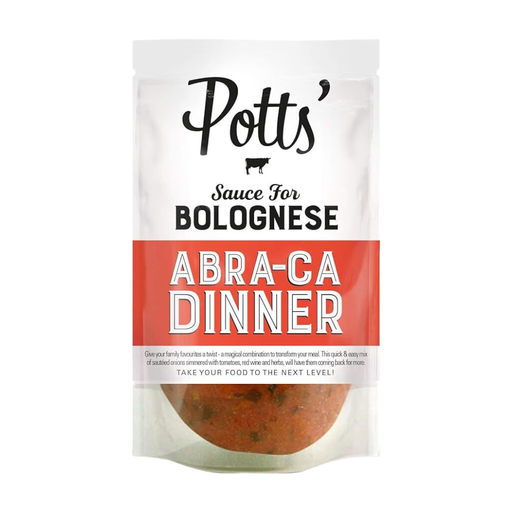
Consider this Bolognese sauce for a pan meal served with meat or on its own, as described in the listing. The 400 g listing calls it gluten free and identifies celery and sulphites. Check the current pack’s full allergen statement and gluten-free declaration, and assess the quantity against your number of diners.
 No image available
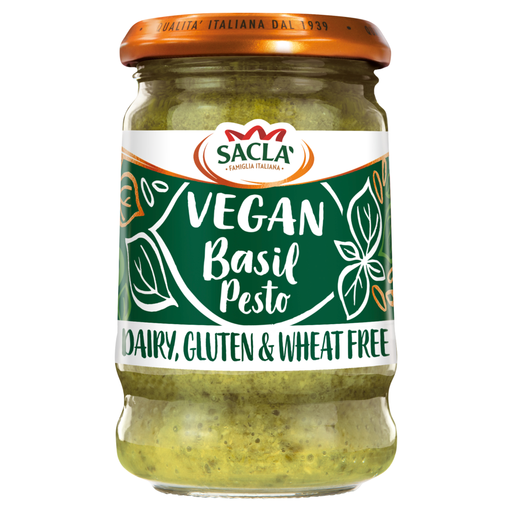
Consider this basil pesto if you want a pasta accompaniment rather than a tomato cooking sauce. Its 190 g listing describes it as gluten free and vegan, and identifies tree nuts. Check the current pack’s gluten-free declaration and full allergen statement, along with the quantity and preparation directions for your meal.
Under UK Food Standards Agency guidance, food labelled gluten free must contain no more than 20 mg/kg of gluten in the food as sold. For this dinner, look for an explicit current declaration on the sauce rather than inferring it from a short ingredient list.
No. Choose gluten-free pasta separately and check the other ingredients you add, such as stock, toppings or meat substitutes. A declaration on the sauce applies to that product, not the finished meal.
No. Check each product’s full allergen statement against the diners’ needs. For example, M&S lists milk-containing ingredients in its Made Without Wheat Gluten Free Spaghetti Carbonara; its gluten-free wording does not make that product dairy-free.
Use the listing to narrow your choice, then read the physical pack before serving. M&S advises shoppers to check product labels because ingredient, dietary and allergen information can change.