Joybuy Insights

A UK Shopper’s Guide to Gluten-Free Pasta and Noodles

Navigating the world of gluten free pasta and noodles can feel like a minefield. Whether you have coeliac disease, a gluten intolerance or are simply exploring different dietary options, the choices can be overwhelming. More importantly, not all gluten-free options are created equal. Many shoppers find themselves disappointed with products that fall apart in the pot or have a texture that's far from satisfying. This guide will help you understand the key factors to look for, so you can choose with confidence and enjoy delicious pasta and noodle dishes again.

The Common Pitfalls of Buying Gluten-Free Pasta

Before you add anything to your basket, it's wise to be aware of a few common issues that can lead to a disappointing meal and wasted money.

  1. The "Mushy Texture" Trap: This is the most frequent complaint. Many gluten-free pastas, especially older formulations, are notorious for turning into a starchy mush the moment you look away. This is often due to a poor balance of flours, with too much simple starch that can't hold its structure when cooked.
  2. The "Certified vs. Naturally Free" Confusion: A product made with rice is naturally gluten-free, but that doesn't automatically make it coeliac friendly pasta. If it's processed in a facility that also handles wheat, cross-contamination is a significant risk. For those with coeliac disease, looking for a "Certified Gluten-Free" label is non-negotiable.
  3. The "Healthy Halo" Myth: It's easy to assume "gluten-free" means healthier, but this isn't always the case. To compensate for the lack of gluten, some products are loaded with refined starches, gums and even sugar, which can result in a higher carbohydrate count and lower nutritional value than their wheat-based counterparts.

Core Factors to Check Before You Buy

To avoid these pitfalls, focus on a few key parameters. Analysing these details will tell you almost everything you need to know about the product's quality and suitability for your needs.

1. Ingredient Composition and Type

The base ingredients dictate the taste, texture and nutritional profile.

  • Corn and Rice Blends: This is the most common base for Italian gluten free pasta shapes like spaghetti, fusilli and penne. The combination aims to replicate the "al dente" bite of traditional durum wheat pasta. Brands sometimes add quinoa or buckwheat flour to improve the protein content and texture.
  • Rice Noodles: A staple in Asian cuisine, rice noodles are typically made from just rice flour and water. They come in various widths, from vermicelli to wide, flat Thai rice sticks. Their texture is naturally softer and chewier, perfect for soaking up the flavours of broths and stir-fry sauces.
  • Konjac Flour (Shirataki Noodles): Made from the konjac yam, shirataki noodles are translucent, gelatinous and contain virtually no calories or carbohydrates. This makes them a popular choice for those on low-carb or keto pasta diets. Their neutral taste makes them an excellent carrier for flavourful sauces.

2. Pasta Shape and Intended Recipe

Matching the pasta shape to your dish is crucial for a successful meal.
  • Long, Thin Shapes (Spaghetti, Linguine): Ideal for lighter oil-based or creamy sauces. A good quality gluten free spaghetti should be robust enough to be twirled around a fork without breaking.
  • Short, Twisted Shapes (Fusilli, Penne): These are excellent for catching chunky vegetable or meat sauces, like a classic bolognese sauce.
  • Flat Sheets and Noodles:Lasagne sheets need to be sturdy enough to hold their layers when baked. Wide rice noodles are perfect for dishes like Pad Thai, where they need to withstand vigorous stir-frying.
MATCH FOR: The Keto & Low-Calorie Dieter
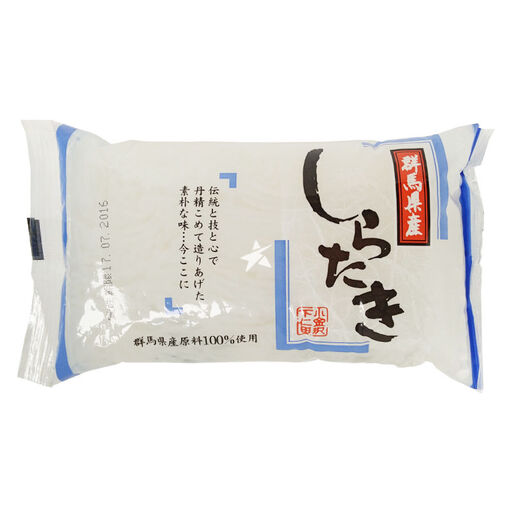
Shimonita Shirataki Shiro (White Konjac Noodles) 420g

Shimonita Shirataki Shiro (White Konjac Noodles) 420g

Why This Fits Their Persona: An ideal choice for UK home cooks following a ketogenic or very low-calorie diet. These noodles satisfy cravings for pasta or noodle dishes without the carbohydrates, fitting seamlessly into strict dietary plans.

How It Avoids the Trap

It completely sidesteps the "high-starch" trap of many gluten-free alternatives. Its unique, springy texture is an expected feature, not a flaw, and it's naturally free from gluten, fat and sugar.

Key Advantage & Pros

Contains virtually zero calories and net carbs. Its neutral flavour profile makes it a perfect vehicle for absorbing rich sauces and broths.
MATCH FOR: The Traditional Italian Food Lover
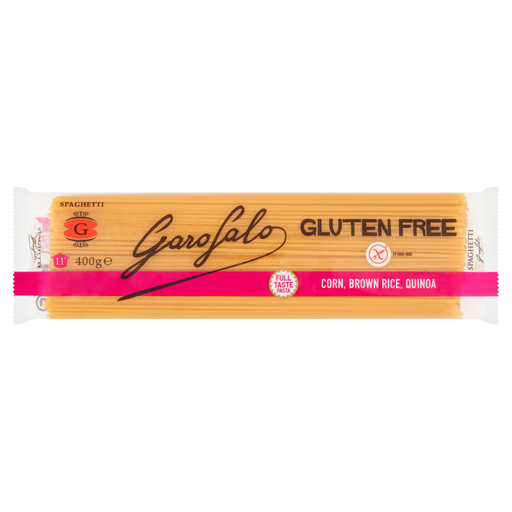
Garofalo Gluten Free Spaghetti 400g

Garofalo Gluten Free Spaghetti 400g

Why This Fits Their Persona: For the home cook who refuses to compromise on the authentic taste and texture of Italian pasta. This is for making a classic spaghetti bolognese or carbonara that pleases everyone, including those without dietary restrictions.

How It Avoids the Trap

Its carefully formulated blend of corn, brown rice and quinoa flour is specifically designed to achieve an "al dente" bite, successfully avoiding the common "mushy pasta" trap.

Key Advantage & Pros

Certified gluten-free, making it a safe choice for coeliacs. The texture and taste are remarkably close to traditional wheat pasta.
MATCH FOR: The Adventurous Cook (Asian Cuisine)
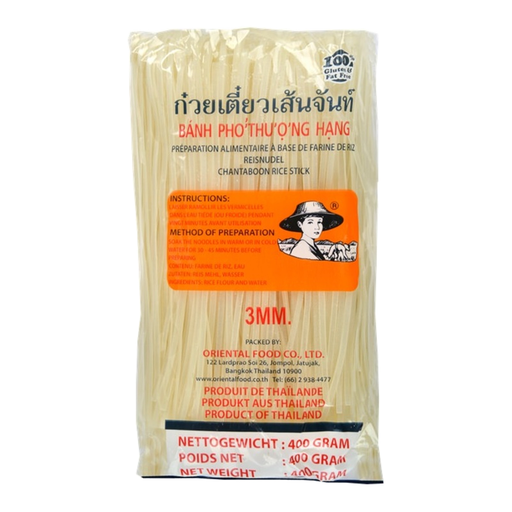
Farmer Brand Rice stick noodle 3mm 400g

Farmer Brand Rice stick noodle 3mm 400g

Why This Fits Their Persona: An essential pantry staple for anyone in the UK who loves recreating authentic Southeast Asian dishes like Thai Pad See Ew, Vietnamese Pho or simple noodle stir-fries at home.

How It Avoids the Trap

These noodles are naturally gluten-free with a simple ingredient list (rice and water). Their texture is purpose-built for Asian cooking, ensuring they remain tender yet firm in soups and stir-fries.

Key Advantage & Pros

Authentic and versatile for a wide range of dishes. They are also vegan and free from artificial ingredients, offering a clean base for your recipes.

Looking for More Options?

We have compiled a complete, real-time list of products that fully satisfy these strict selection criteria and UK safety regulations.

Frequently Asked Questions

Q1: What is the main difference between gluten-free and regular pasta?

The primary difference is the ingredients. Regular pasta is made from durum wheat semolina, which contains gluten—the protein that gives pasta its classic stretchy, "al dente" texture. Gluten-free pasta is made from alternative grains and starches like corn, rice, quinoa or buckwheat. This results in a different texture that can be softer and requires more careful cooking to prevent it from becoming mushy.

Q2: Are all rice noodles safe for people with coeliac disease?

While rice noodles are naturally gluten-free, they are not always safe for individuals with coeliac disease. The main concern is cross-contamination. If the noodles are produced in a factory that also processes wheat products, there is a risk of airborne gluten particles contaminating them. For this reason, it is crucial to look for a "Certified Gluten-Free" statement on the packaging to ensure they are safe for consumption.

Q3: How can I prevent my gluten-free pasta from becoming mushy?

Cooking gluten-free pasta requires a slightly different approach.

  • Use a large pot with plenty of salted water. This helps to dilute the starches released by the pasta, preventing it from becoming sticky.
  • Stir frequently, especially during the first couple of minutes of cooking, to stop the pasta from clumping together.
  • Start testing for doneness a few minutes before the time suggested on the package. Gluten-free pasta can go from perfectly cooked to overcooked very quickly.
  • For some types, especially corn-based pasta, rinsing with cool water after draining can help remove excess starch and stop the cooking process. However, for Asian-style rice noodles intended for stir-fries, a quick rinse is often recommended to prevent sticking. Always check the package instructions.