Households avoiding gluten
For a shared kitchen, the current pasta label is only one check. Coeliac UK also advises keeping gluten-free ingredients separate during storage and preparation to reduce cross-contamination.


When stocking pasta for someone who needs to avoid gluten, choose a pack with a clear gluten-free claim and check its current label before considering size or shape. For everyday meals, compare pack sizes and pick shapes you will use; check sauces and other ingredients separately, because suitable pasta does not make the whole meal gluten free.
For a shared kitchen, the current pasta label is only one check. Coeliac UK also advises keeping gluten-free ingredients separate during storage and preparation to reduce cross-contamination.
If you use pasta regularly, pack size and familiar shapes can help you choose what to keep on hand. Tesco and Sainsbury's list gluten-free 500 g penne, fusilli and spaghetti, though the range available to you may differ.
A lasagne, a long-pasta dish and a quick sauce call for different formats. Choose the shape for the meals you make, then follow the cooking directions on that product's pack.
Confirm gluten-free suitability first. Pack size and shape can then help you decide which products earn space in the cupboard.
| Concern | What to check | Who this matters to |
|---|---|---|
| Gluten-free labelling | Look for a clear gluten-free claim on the current pack and read its ingredients and allergen information. Check meal components separately. | If I need to avoid gluten, I want to settle the pasta's suitability before choosing a shape. About 44% of consumers put clear gluten-free labelling first. |
| Pack size and repeat use | Check the pack weight and whether you can obtain the shapes you use regularly. | When I stock up for everyday meals, I need pack sizes I will use and shapes I can buy again. For about 33% of consumers, that practical pantry fit is the primary concern. |
| Shape and cooking | Match the format to planned dishes and follow the cooking directions for the specific product. | A planned lasagne or long-pasta meal makes the right format more important to me than keeping only one general-purpose shape. Meal fit comes first for about 23% of consumers. |
A gluten-free pasta label says nothing about a separate sauce, stock cube or other ingredient. Coeliac UK advises checking labels on these foods too.
Read each component's current label before putting the meal together.
Wheat-free and gluten-free are different statements. The Food Standards Agency defines a gluten-free claim using a limit of no more than 20 mg/kg of gluten in the food as sold to the final consumer.
If you need to avoid gluten, look for the explicit gluten-free claim and read the full pack information.
A pantry full of one format may not suit the meals you have planned. The products listed by Sainsbury's and Barilla include both short pasta and more meal-specific shapes.
Start with shapes you use routinely; add lasagne sheets or long pasta when those dishes are part of your plans.
Gluten-free ingredients can come into contact with gluten-containing food after purchase.
Coeliac UK advises storing ingredients separately and keeping preparation surfaces and utensils clean.
Tesco's Free From listings include 500 g gluten-free penne, fusilli and spaghetti for familiar pantry meals.
Sainsbury's lists gluten-free dried staples and a 250 g Free From tagliatelle.
Barilla offers gluten-free pasta in several shapes, including penne rigate, fusilli and spaghetti.
M&S lists a 500 g Made Without Gluten, Wheat and Egg Penne made from maize and rice flour.
These options cover lasagne sheets and two noodle formats for different meals. Rice and konjac noodles are alternatives to conventional dried pasta; check each current pack's gluten-free claim and storage instructions before adding it to your pantry.
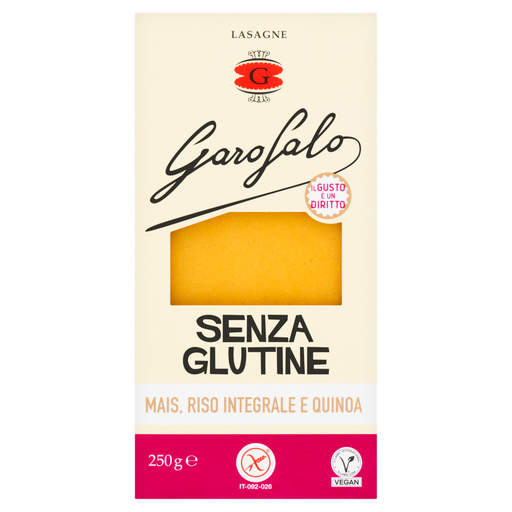 Image unavailable
Choose this lasagne format if you are stocking ingredients for that dish rather than general-purpose pasta. The pack is 250 g; check its current allergen information and cooking directions before use.
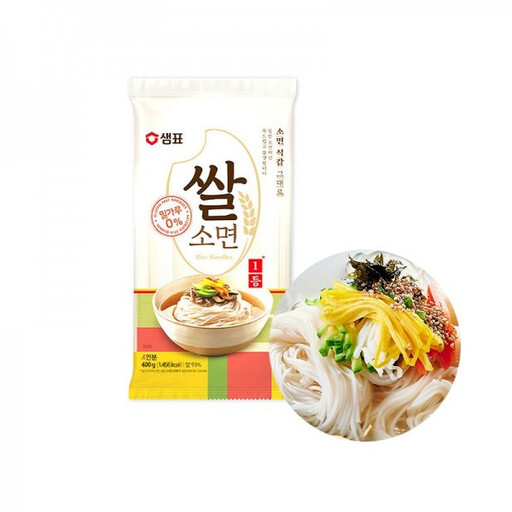 Image unavailable
These rice noodles are an option for meals where you want noodles rather than a conventional pasta shape. The pack is 400 g; read its current allergen information and preparation directions.
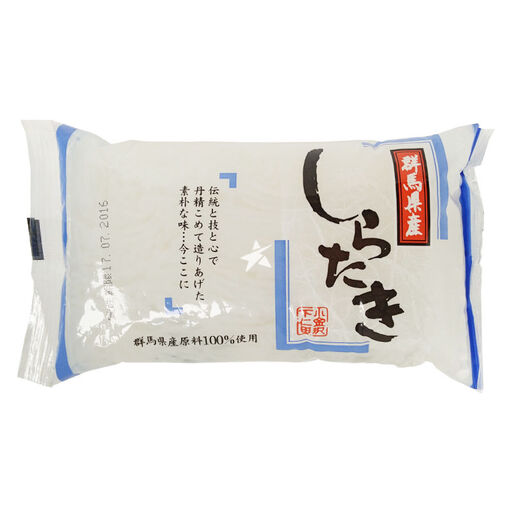 Image unavailable
Consider these konjac noodles when a noodle alternative suits the meal; they are not conventional dried pasta. The listing describes them as gluten free, but check the current pack. It also directs you to refrigerate them in water after opening, use them within 2–3 days and not freeze them.
The Food Standards Agency defines a gluten-free claim as no more than 20 mg/kg of gluten in the food as sold to the final consumer. Look for the claim on the particular pack you are buying.
Yes. Read the current pack for ingredients and allergens relevant to your household rather than relying solely on an online description. Coeliac UK advises checking food labels, and M&S gives the same pack-check advice for its Made Without penne.
No: the pasta's label does not establish what is in a separate sauce. Coeliac UK advises checking sauces and other prepared ingredients individually.
Keep gluten-free ingredients separate from gluten-containing foods during storage and preparation, and use clean surfaces and utensils, as Coeliac UK advises. Follow the storage directions on the particular pasta pack as well.