Hosts serving a gluten-free guest
A familiar tea-time biscuit may be welcome, but the exact gluten claim, other allergens and how the biscuits are served all matter. Keep a suitable biscuit separate from conventional-biscuit crumbs.


If a guest needs to avoid gluten, choose a rich tea biscuit explicitly labelled gluten free rather than relying on the biscuit’s name or a vegan label; Schär’s UK rich tea is one such product. Check the pack for the guest’s other allergens, and serve it away from crumbs and shared spreads used with conventional biscuits.
A familiar tea-time biscuit may be welcome, but the exact gluten claim, other allergens and how the biscuits are served all matter. Keep a suitable biscuit separate from conventional-biscuit crumbs.
Rich tea describes a biscuit style, not its gluten status. The checked conventional McVitie’s, Sainsbury’s, Asda, M&S and Waitrose products list wheat, barley or both; Schär lists its UK rich tea as gluten and wheat free.
Decide whether rich tea itself matters, then check the exact pack against the guest’s requirements and plan how to serve it.
| Priority | What to check | Your needs |
|---|---|---|
| Gluten claim | Look for a gluten-free claim on the exact rich tea pack. Check its current ingredients and allergen information rather than relying on a vegan label or the biscuit’s appearance. | I’m serving someone who needs to avoid gluten but still wants a plain rich tea biscuit. Schär lists a gluten- and wheat-free rich tea; the checked conventional recipes are different products. |
| Other allergens | Read the pack beyond its gluten claim. Schär lists egg and milk in its UK rich tea recipe and warns that it may contain soya and lupin. | The gluten-free option also has to fit the guest’s other allergen requirements. I’ll check those against the pack before putting biscuits out. |
| Biscuit style | If rich tea is not essential, compare the type of biscuit as well as its gluten-free label. For an oat-based option, check whether oats suit the guest. | A different biscuit would work for this break. McVitie’s Gluten Free Hobnobs are oat biscuits, not rich tea; Coeliac UK notes that a small number of people with coeliac disease remain sensitive to gluten-free oats. |
| Serving | Use a clean plate and utensils, and keep conventional-biscuit crumbs out of shared spreads. Tesco lists Schär’s 125 g rich tea in three portion packs, which can remain unopened until needed. | I’m putting out both biscuit types and want guests to be able to identify and take the gluten-free one without crumbs reaching it. Coeliac UK advises clean cutlery for shared spreads. |
The checked vegan-labelled Asda and M&S rich tea recipes list wheat and barley, according to their product listings.
When buying for someone who needs to avoid gluten, look for a gluten-free claim on the exact pack.
Schär’s UK rich tea recipe lists egg and milk and warns that it may contain soya and lupin.
Check the delivered pack against each guest’s relevant allergens, not just its gluten claim.
Crumbs from conventional biscuits can reach a gluten-free plate or shared spreads. Coeliac UK advises clean cutlery when using shared butter, jam and other condiments.
Put gluten-free biscuits on a clean plate and use clean utensils for serving and spreads.
These examples concern the specified biscuit lines, not every product made by each brand.
Schär lists a UK rich tea biscuit specifically labelled gluten and wheat free.
The checked Classic Rich Tea and Gluten Free Hobnobs serve different needs: one is conventional rich tea; the other is a gluten-free oat biscuit.
The checked Asda own-label 300 g rich tea is a conventional biscuit.
Its checked own-label rich tea and its listing for Schär gluten-free rich tea are separate products.
The checked M&S rich tea listing describes a conventional biscuit, not a gluten-free one.
The checked own-label Rich Tea Fingers are conventional; Waitrose separately lists Schär Rich Tea in its gluten-free biscuit range.
These are gluten-free biscuit options for an afternoon break when rich tea itself is not essential. Digestives and oat biscuits have their own styles; choose a specifically labelled rich tea if that is what the guest wants.
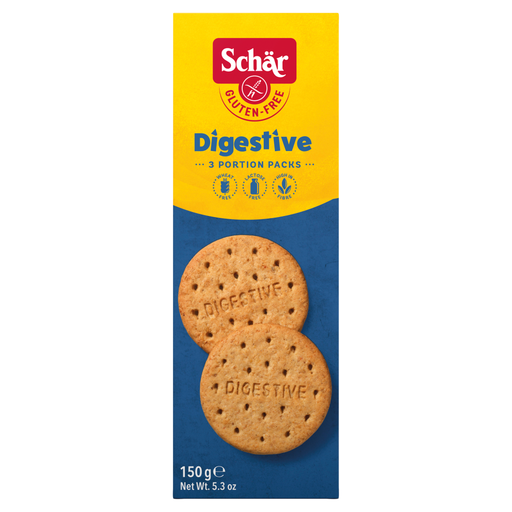 No image available
A gluten-free digestive to consider if a plain tea-time biscuit will do instead of rich tea. Check the pack’s soya and lupin information against the guest’s requirements.
 No image available
A flavoured oat-biscuit option rather than a plain rich tea. Check whether oats suit the guest and read the pack for milk warnings and other allergen information.
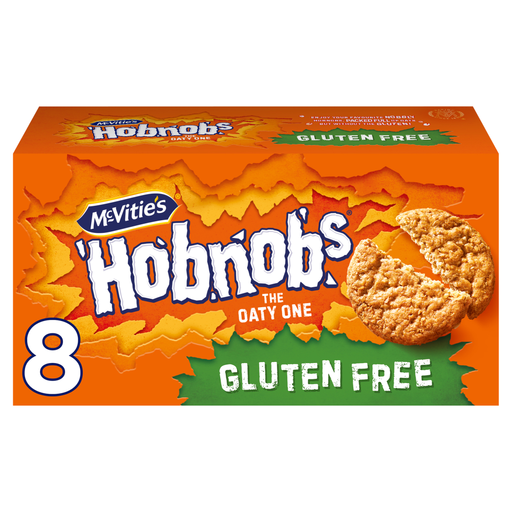 No image available
A gluten-free oat biscuit for guests who do not need the rich tea style. Check whether oats suit the guest and read the pack’s other allergen warnings before serving.
No. The Food Standards Agency states that food labelled gluten free may contain no more than 20 mg/kg of gluten in the food as sold; the label does not mean absolute zero.
No. The symbol is an additional certification scheme, not the UK gluten-free labelling threshold. Coeliac UK says products carrying its trademark undergo checks that include gluten-analysis certificates and independent manufacturing audits.
Use a clean plate and serving utensils, and keep ordinary-biscuit crumbs out of the gluten-free biscuits and shared spreads. Coeliac UK advises using clean cutlery for shared butter, jam and other condiments.
Not necessarily. Coeliac UK says most people with coeliac disease can eat gluten-free oats, but a small number remain sensitive. Check whether oats suit the guest before choosing an oat biscuit instead of rich tea.
Use the delivered pack’s current ingredients and allergen information before serving. If information relevant to a guest’s allergy is unclear, ask the seller or manufacturer rather than relying on an earlier online description.