Rich tea fans who need gluten-free biscuits
If a plain rich tea is the point of elevenses, look for that biscuit style with a gluten-free claim. A familiar rich tea name alone does not establish suitability.


For gluten-free elevenses with a rich tea biscuit, Schär's UK Rich Tea is labelled gluten and wheat free; the checked conventional McVitie's and several supermarket rich teas list wheat or barley. If the rich tea style is optional, a labelled gluten-free biscuit of another kind may suit instead. Check the packet for other allergens and, if choosing an oat biscuit, whether gluten-free oats suit the person eating it.
If a plain rich tea is the point of elevenses, look for that biscuit style with a gluten-free claim. A familiar rich tea name alone does not establish suitability.
When conventional and gluten-free biscuits share a tea break, keep the packets and serving utensils separate. Check the gluten-free packet for any other allergens your guests need to avoid.
If rich tea is a preference rather than a requirement, labelled gluten-free ginger nuts, shortbread or oat biscuits give you different flavours and textures to consider. Check each product's ingredients rather than treating them as interchangeable.
Start with the gluten-free claim and any other relevant allergens. Then decide whether you want rich tea specifically or simply a biscuit for tea.
| Priority | What to check | Your needs |
|---|---|---|
| Gluten-free labelling | Look for a gluten-free claim on the specific pack and read its ingredients. The UK gluten-free labelling condition cited by the Food Standards Agency is no more than 20 mg/kg of gluten in food sold to the final consumer; a rich tea name or vegan designation is not a substitute for the claim. | I want to recognise a suitable packet without confusing it with conventional rich tea. In Coeliac UK's Shopping Habits 2025 survey, reported in January 2026, 74.7% of its 3,785 responding members said they trusted the charity's Crossed Grain Trademark more than a gluten-free statement. That figure measures trust in a marking, not preference for a biscuit. |
| Biscuit style | Schär describes its UK Rich Tea as gluten and wheat free and portion-packed. Gluten-free ginger nuts, shortbread, digestives and oat biscuits are different styles, not rich tea substitutes with the same flavour or texture. | Is the plain rich tea style important to my elevenses, or would I enjoy a different biscuit with tea? |
| Other ingredients | Read the current ingredient and precautionary allergen information. ASDA's Schär Rich Tea listing names milk and eggs and warns of possible soya and lupin; McVitie's Gluten Free Original Hobnobs contains gluten-free oats. | Someone sharing my biscuits may need to avoid an ingredient other than gluten. If I choose an oat biscuit, I also need to check whether gluten-free oats suit the person eating it. |
| Shared serving | Keep gluten-free biscuits apart from conventional ones and use clean serving surfaces and utensils. Coeliac UK advises cleaning surfaces and utensils with hot soapy water to help prevent cross-contamination. | We're serving both kinds of biscuit, so I want to avoid transferring crumbs while putting out elevenses. |
| Pack format | Check the pack weight and whether the biscuits come in portions. Schär describes its Rich Tea as portion-packed; the biscuit style and pack size both matter when deciding what to bring or serve. | For a tea break away from home, separate portions may be useful; for a shared plate, I'll check how much the packet contains. |
McVitie's Rich Tea Classic and the checked Sainsbury's, M&S and Waitrose rich tea products list wheat flour and barley malt extract. The biscuit name does not establish a gluten-free claim.
Choose by the designation and ingredients on the particular packet, not by the style of biscuit.
ASDA's listing says Schär Rich Tea contains milk and eggs and may contain soya and lupin. McVitie's gluten-free Hobnobs contain oats; Coeliac UK notes that a small number of people with coeliac disease may still be sensitive to gluten-free oat products.
Check the delivered packet for every relevant allergen, and check whether oats are suitable before choosing an oat biscuit.
These references concern the named products, not every biscuit made by each brand. A conventional rich tea and a separately labelled gluten-free biscuit need to be assessed individually.
Schär describes its UK Rich Tea biscuits as gluten and wheat free and portion-packed.
Its Rich Tea Classic and Gluten Free Original Hobnobs are different products.
Tesco lists Schär Rich Tea alongside its own conventional Rich Tea and gluten-free Free From Ginger Nuts.
The checked Sainsbury's own-label Rich Tea is a conventional biscuit.
ASDA lists its own Rich Tea and a separate Schär Gluten-Free Rich Tea product.
M&S lists conventional Rich Tea and a separate gluten-free Made Without Wheat All Butter Shortbread.
Waitrose lists conventional Rich Tea Fingers and a separate Schär Gluten Free Rich Tea product.
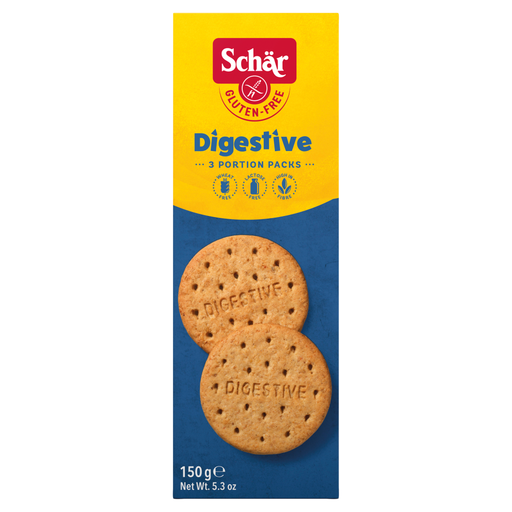
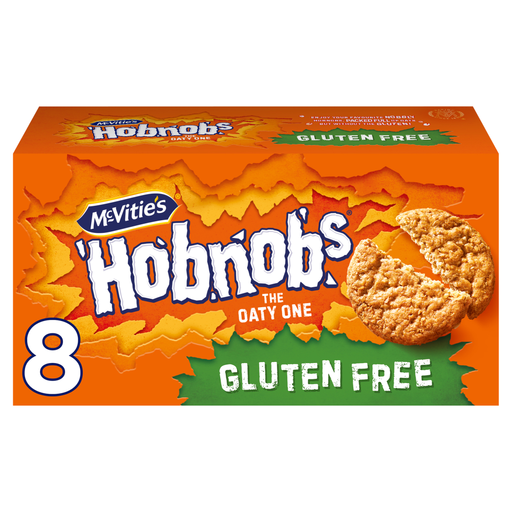
These Joybuy options are a digestive and an oat biscuit for shoppers who are happy to have something other than rich tea at elevenses. Neither is a rich tea biscuit.
 No image available
A gluten-free digestive to consider with tea if you do not specifically want rich tea. This is a 150g pack; check its current label for any other allergens relevant to the person eating it.
 No image available
A gluten-free oat biscuit to consider if an oaty biscuit suits your tea break rather than a plain rich tea. This is a 150g pack. Coeliac UK notes that a small number of people with coeliac disease may still be sensitive to gluten-free oat products; check the packet for other relevant allergens too.
Not necessarily. The checked ASDA own-label Rich Tea is marked suitable for vegans but lists wheat and barley. Check the gluten-free claim and ingredients separately.
ASDA's listing says Schär Rich Tea contains milk and eggs and may contain soya and lupin. Check the delivered packet against the person's relevant allergens before serving it.
Keep the biscuits and serving utensils separate and use a clean surface. Coeliac UK advises cleaning surfaces and utensils with hot soapy water to help prevent cross-contamination.
Use the information on the delivered packet when deciding whether to serve or eat the biscuits. Product recipes and allergen details can change, so check that label for every ingredient that matters to you.
For food sold to the final consumer, the Food Standards Agency states that a gluten-free claim means no more than 20 mg/kg of gluten. It does not mean the biscuit is free of milk, eggs or every other allergen.