
24/7 Customer Support

Free returns

Same-day & Next-day Delivery

Quality Guaranteed

Unlock Your Welcome Offers: FREE Delivery | Up to 80% OFF | Free 30-day JoyPlus trial
Download the APP
As a Joybuy Product Recommendation Officer, I often hear from home bakers who are frustrated with their gluten-free creations. You follow the recipe to the letter, but your cake emerges dense, your scones refuse to rise and the texture is disappointingly gritty. The switch to gluten-free baking can feel like a minefield, especially when you are navigating a dietary requirement like coeliac disease or a wheat allergy.
The truth is, many bakers are let down not by their skills, but by the flour itself. Before you spend another pound on a product that promises the world and delivers a flat, crumbly bake, let’s look at the common pitfalls and what to check for.
gluten free self raising flour must include a binding agent to replicate this effect, but many basic blends leave this crucial ingredient out.To ensure your flour for gluten free cakes and other bakes turns out light and fluffy, you need to look beyond the front of the packet. Here are the non-negotiable factors to check.
There is no single plant that produces a perfect gluten-free self-raising flour. Instead, you are buying a carefully balanced blend of different starches and flours. High-quality mixes typically use a combination of rice, potato, tapioca, maize and buckwheat flour. This multi-flour approach creates a more complex and neutral flavour profile, while also contributing to a finer, softer crumb structure that avoids the grittiness of single-grain blends. A good blend is the foundation of all successful gluten free flour for baking.
For a flour to be truly "self-raising," it must contain chemical leaveners. Look for ingredients like mono-calcium phosphate and sodium bicarbonate on the label. These are the components that react with moisture and heat to create the carbon dioxide bubbles that make your cakes rise.
Equally important is the binder. The most common and effective one used in coeliac friendly flour is xanthan gum. This ingredient provides the elasticity and structure that gluten normally would, holding the bake together and preventing it from collapsing into a pile of crumbs. A complete, ready-to-use flour will have this already mixed in, saving you an extra step and expense.
Instead of a one-size-fits-all approach, we have matched our recommendations to specific baking needs and profiles.
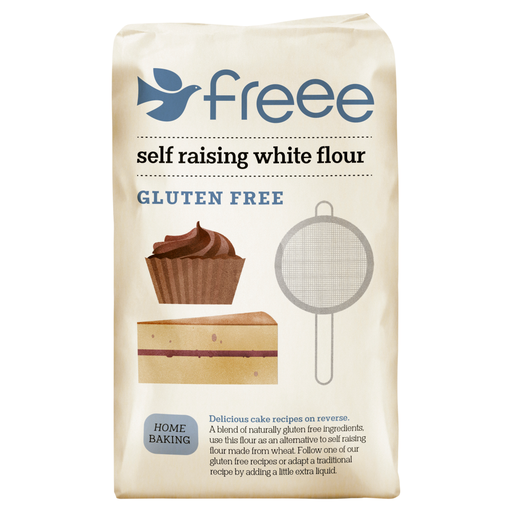
Why This Fits Their Persona: This is for the home baker who wants a dependable, direct replacement for wheat-based self-raising flour without any guesswork. It is ideal for anyone new to gluten-free baking or those who need consistent, reliable results for classic cakes, scones and muffins.
This is a complete blend. It contains raising agents and xanthan gum, avoiding the "All-Purpose Misconception" and "Missing Binder" pitfalls. The multi-grain blend (rice, potato, tapioca) ensures a fine, soft texture, not a gritty one.
Certified by Coeliac UK, Kosher and Halal, offering peace of mind for various dietary needs. It is a well-known and trusted Doves Farm gluten free flour, milled in the UK.
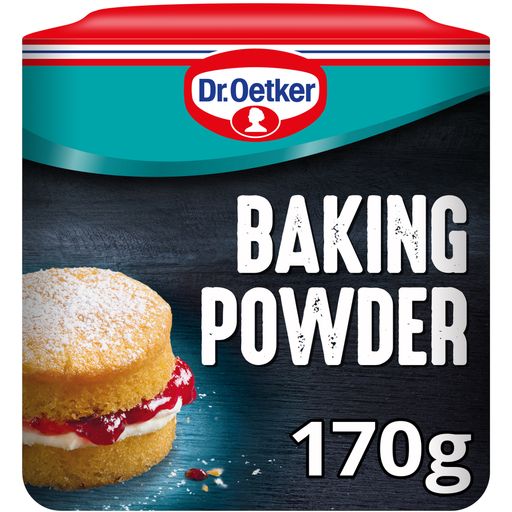
Why This Fits Their Persona: This is for the baker who prefers to create their own flour blends or wants the flexibility to turn any plain allergen free flour into a self-raising one. It offers control and can be more economical if you buy base flours in bulk.
This product directly empowers you to avoid the "All-Purpose Misconception." By adding it to a plain gluten-free flour, you are creating your own self-raising blend, ensuring your bakes always have the lift they need.
It is certified gluten-free, making it a safe addition to any coeliac-friendly pantry. The resealable tub maintains freshness and a little goes a long way, offering excellent value.
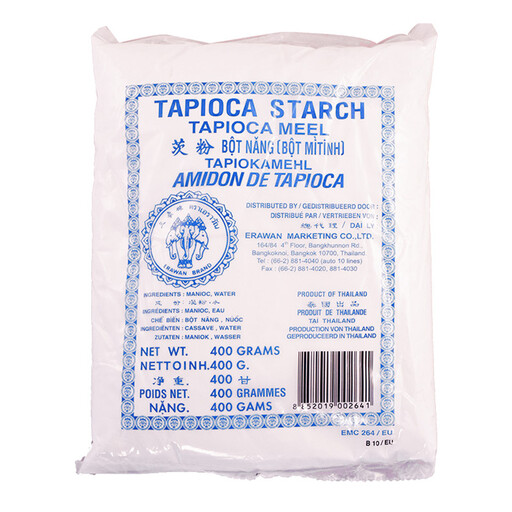
Why This Fits Their Persona: This is for the more advanced cook who understands that different starches create unique textures. They are not looking for an all-in-one flour, but a specific component to achieve a chewy, glossy finish in recipes like pie fillings, sauces or certain Asian desserts.
This user is intentionally deconstructing flour blends to build a specific texture. They are not falling into a trap but making a deliberate choice to use a pure starch for its unique binding and thickening properties, giving them full control.
A pure, single-ingredient starch that provides a smooth, glossy finish without a chalky taste. It is invaluable for thickening sauces and creating the characteristic chewiness in many gluten-free recipes.
We have compiled a complete, real-time list of products that fully satisfy these strict selection criteria and UK safety regulations.
For a high-quality, complete blend like the Freee by Doves Farm flour, the answer is generally yes. It is designed to be a straightforward swap. However, a good tip is to let your gluten-free batter or dough rest for 10-15 minutes before baking. This allows the flours to fully hydrate, which can improve the final texture and prevent grittiness.
This is a common issue and usually points to two culprits: the flour blend or a lack of moisture. First, ensure your chosen gluten free self raising flour contains a binder like xanthan gum. Second, gluten-free bakes often benefit from a little extra fat or liquid to keep them moist. Consider adding an extra egg, a tablespoon of plain yoghurt or using oil instead of butter. Finally, be careful not to over-bake, as gluten-free goods can dry out quickly. Check them a few minutes earlier than the recipe suggests.
The raising agents are the components that lose their potency first. For the best and most reliable rise, it is advisable to use the flour within 3-4 months of opening. Always store it in a cool, dry place inside an airtight container to protect it from moisture. While the 'best before' date is your main guide, how you store it after opening is critical for performance.