Hosts serving someone with coeliac disease
Look for an explicit gluten-free claim, then keep the biscuits away from crumbs and utensils used for ordinary biscuits. Coeliac UK advises cleaning serving surfaces and utensils to prevent cross-contact.


Choose shortbread explicitly labelled gluten-free, then decide whether an all-butter biscuit or a milk-free alternative fits the people you are serving. Check the current pack for nut and soya information too; some milk-free options contain gluten-free oats, which not everyone with coeliac disease can have.
Look for an explicit gluten-free claim, then keep the biscuits away from crumbs and utensils used for ordinary biscuits. Coeliac UK advises cleaning serving surfaces and utensils to prevent cross-contact.
Gluten-free all-butter shortbread contains milk, while some milk-free alternatives contain soya or gluten-free oats. Match the particular pack’s ingredients and warnings to each guest’s needs.
Decide whether plain rounds or a chocolate variation suit the occasion, and check the pack quantity. Biscuits in the same free-from range need not have the same ingredients.
Start with the gluten-free label and the guest’s other restrictions; then choose the style and pack size that work for the break.
| Priority | What to check | Your needs |
|---|---|---|
| Gluten-free claim | Look for an explicit claim on the current pack, not just an ingredient list or a free-from range name. The Food Standards Agency’s gluten-free threshold is no more than 20 mg/kg of gluten in the food as sold. | I’m serving someone who needs a biscuit labelled gluten-free, so I want to identify the particular product before putting it out. |
| Other ingredients | Check for milk in all-butter shortbread, and read product-specific nut and soya warnings. If the biscuit contains gluten-free oats, ask whether the guest can have them; Coeliac UK notes that a small number of people with coeliac disease remain sensitive to gluten-free oats. | Milk-free matters for one guest, but I also need to know whether nuts, soya or oats affect anyone else. |
| Biscuit style | Choose between plain rounds and a chocolate variation, then check the exact variant. Walker’s lists nine rounds in its checked 140 g pack; Tesco’s checked chocolate-chunk shortbread is a different recipe from its other shortbreads. | For a plain biscuit with tea, I’d choose rounds; if guests want chocolate, I’d check that variation’s own ingredients. |
| Pack and planning | Check pack weight, the number of biscuits or stated servings where given, and local stock before a planned break. Follow the pack’s storage directions if biscuits will be kept after opening. | I want enough biscuits for the people coming, without assuming that packs of similar weight contain the same number. |
The checked shortbreads differ in their milk, soya, oat and nut information. A gluten-free label does not settle those separate questions.
Read the current pack against every restriction that applies to your guests.
Crumbs or shared utensils can bring gluten into contact with a suitable biscuit after the pack has been opened.
Use a clean plate and utensils, and keep the gluten-free serving separate. Coeliac UK advises cleaning surfaces and utensils to prevent cross-contact.
A listing headed as Walker’s gluten-free shortbread 140 g describes a Ginger & Lemon variant, whereas Walker’s plain gluten-free rounds have a different listed recipe.
If you want the plain rounds, check the full variant name and current pack before choosing.
These examples show why the exact recipe matters more than the brand name alone.
Walker’s gluten-free plain rounds are an all-butter option for a tea break.
Made Without Wheat All Butter Shortbread Rounds offer another labelled gluten-free plain biscuit.
Free From Gluten Butter Shortbread is a plain all-butter option.
Free From Shortbread is a plain option labelled gluten-free, milk-free and suitable for vegans.
Finest Free From Belgian Chocolate Chunk Shortbread provides a labelled gluten-free chocolate variation.
Vegan Scottish Shortbread is an option to consider when milk-free labelling also matters.
This Joybuy option is a gluten-free oat biscuit for a tea break, not shortbread. If shortbread itself matters, keep that distinction in mind; if another biscuit will do, check that oats and the current pack’s allergen information suit your guests.
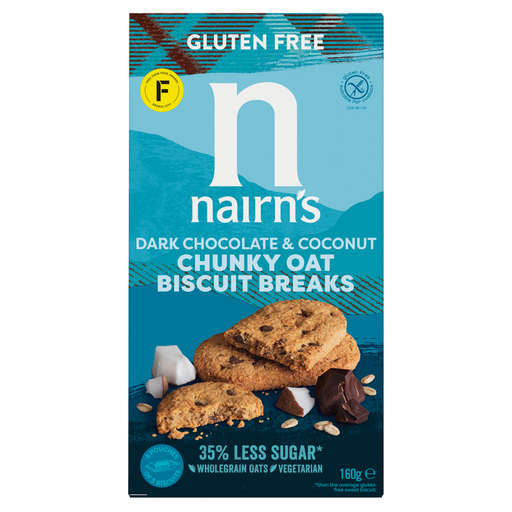 Image unavailable
For a morning tea break where an oat biscuit can replace shortbread, this gluten-free option comes in a 160g pack. Ask guests whether they can have oats, and check the current pack for milk and nut warnings.
No. For a gluten-free claim, the Food Standards Agency states a limit of no more than 20 mg/kg of gluten in the food as sold. “Very low gluten” is a different claim with a different limit.
Do not rely on the gluten-free claim for that decision. The checked Walker’s, M&S and Waitrose all-butter shortbreads contain milk, while the checked Sainsbury’s and Lazy Day Foods products are described as milk-free. Check the current pack for the guest’s other restrictions.
No. Coeliac UK says most people with coeliac disease can eat gluten-free oats, but a small number remain sensitive to them. Ask the guest before choosing a product made with gluten-free oat flour.
Keep them away from ordinary-biscuit crumbs and use a clean serving surface and utensils. Coeliac UK advises cleaning surfaces and utensils to prevent gluten cross-contact.
Follow that pack’s storage directions. The checked M&S, Waitrose and Tesco shortbreads instruct shoppers to keep the biscuits in an airtight container after opening.