Choose a prepacked shortbread labelled gluten-free, then check the current pack against every child’s other food requirements. Tesco Free From lists a milk-free and egg-free option, while the M&S and Waitrose all-butter products contain milk and carry different nut-related cautions. During the activity, keep gluten-free biscuits away from ordinary flour, crumbs and contaminated utensils.
Who is this for?
Families baking for a child who must avoid gluten
Start with a biscuit labelled gluten-free. If ordinary baking ingredients are also in use, keep its preparation area and utensils clear of flour and crumbs; Coeliac UK advises cleaning surfaces and equipment with hot soapy water.
Families managing several food restrictions
Check more than the gluten-free claim. Tesco lists a milk-free and egg-free shortbread that may contain soya; the M&S and Waitrose all-butter options contain milk and have different nut-related cautions.
Families decorating or crumbling biscuits
Choose a biscuit whose ingredients and flavour fit the activity, then read its physical pack before children handle or eat it. A product that worked for a previous session may have a different recipe or allergen statement now.
What should you check?
Check the gluten-free claim and the needs of everyone taking part before deciding whether a plain or all-butter shortbread fits the recipe.
| Priority |
What to check |
Your needs |
| Gluten-free label |
Look for a gluten-free claim on the exact pack. For food sold to UK consumers, the Food Standards Agency gives a limit of no more than 20 mg/kg gluten in food labelled gluten-free, as sold. |
I need the biscuit we actually use to carry a gluten-free claim, rather than relying on a familiar brand name or shelf position. |
| Other allergens |
Read the ingredients and precautionary statements for oats, milk, soya, nuts and peanuts as relevant. Tesco lists gluten-free oat flour and a may-contain-soya warning; M&S lists milk and says its rounds are not suitable for people with nut or peanut allergy; Waitrose lists milk and soya and says its biscuits may contain nuts. |
If children have different food restrictions, I need one pack whose complete allergen information works for everyone who will handle or eat the biscuits. |
| Biscuit and recipe |
Check whether the product is shortbread rather than another gluten-free biscuit, and whether its stated ingredients and flavour suit decorating or crumbling. Tesco, M&S and Waitrose list different shortbread recipes. |
For a simple decorating base, I want to know what the biscuit is made with before choosing toppings or mixing it into a recipe. |
| Preparation area |
Clean surfaces and utensils with hot soapy water, as Coeliac UK advises. Keep ordinary flour and crumbs away, and use clean cutlery for spreads that might otherwise pick up crumbs. |
We are baking alongside ordinary ingredients, so I need a separate, clean space for the gluten-free biscuits and anything added to them. |
| Current packaging |
Compare the product you buy with its physical ingredient and allergen label before use; retailers warn that recipes and product information can change. |
Even if I have bought the same shortbread before, I want to check this pack before the children use it. |
Common mistakes to avoid
-
Assuming gluten-free means suitable for every allergy
The products have different allergen statements: Tesco says its shortbread may contain soya; M&S lists milk and a nut and peanut allergy restriction; Waitrose lists milk and soya and says it may contain nuts.
List the participants’ food restrictions before shopping, then compare them with the complete statement on the pack.
-
Using a crumb-covered worktop or shared spread
Gluten-free biscuits can come into contact with ordinary flour or crumbs during preparation, even when the unopened product was labelled gluten-free.
Clean worktops and utensils, keep ingredients separate and use clean cutlery or a separate container for spreads. Coeliac UK advises washing preparation equipment with hot soapy water.
-
Swapping in a brand’s regular shortbread
A brand name does not establish that every product in its range has the same ingredients or a gluten-free claim.
Check the exact product’s current packaging before substituting it for a gluten-free shortbread.
-
Relying on an older ingredient list
A recipe or allergen statement can change between purchases.
Read the physical pack when buying it and again before the biscuits are used or served.
Brand and product-line references
Tesco Free From
Tesco lists a 160g gluten-free shortbread biscuit presented as milk-free, egg-free and suitable for vegans.
- Its listed ingredients include gluten-free oat flour, which matters if oats are being checked separately.
- Tesco says the product may contain soya and advises checking the current packaging because product information can change.
M&S Made Without
M&S lists 150g Made Without Wheat All Butter Shortbread Rounds as gluten-free and vegetarian.
- The all-butter recipe offers a butter-based shortbread for a group whose requirements permit milk.
- The rounds contain milk, and M&S states that they are not suitable for people with nut or peanut allergy.
Waitrose Free From
Waitrose lists a 150g gluten-free all-butter shortbread in its Free From range.
- The listed recipe includes butter, rice flour, corn starch, cornflour and soya flour.
- It contains milk and soya and may contain nuts; Waitrose advises checking the physical label as recipes can change.
Dean's
Dean's says it has developed gluten-free shortbread alongside other shortbread products.
- The brand’s stated range makes it worth checking a specifically labelled gluten-free product if you encounter one.
- Do not treat a Dean's traditional shortbread pack as gluten-free without checking that exact pack’s claim, ingredients and allergen statement.
Joybuy gluten-free biscuit option
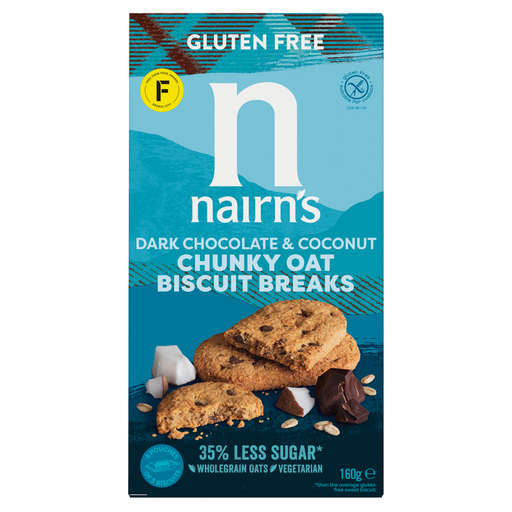
This option is an oat biscuit with dark chocolate and coconut, not plain shortbread. Consider that difference if the children will decorate whole biscuits or use them as a shortbread base.
 No image available
Nairns Gluten Free Biscuit Breaks, Chunky Oats, Dark & Coconut, 160g
For a baking activity, check whether an oat biscuit with dark chocolate and coconut fits the recipe in place of plain shortbread. Read the current pack’s oat, milk and nut information before children handle or eat it.
View on Joybuy
Questions about choosing and using shortbread
What does gluten-free mean on a UK shortbread pack?
For food sold to UK consumers, the Food Standards Agency gives a threshold of no more than 20 mg/kg gluten in the food as sold for a gluten-free claim. Read the current ingredients and allergen statement separately for other food restrictions.
What if gluten-free shortbread contains oats?
Check the oat ingredient against the child’s requirements rather than assuming that gluten-free also means oat-free. Tesco’s listed gluten-free shortbread contains gluten-free oat flour; its current pack should be checked before use.
How do we keep gluten-free biscuits apart from ordinary baking ingredients?
Clean surfaces and utensils with hot soapy water, keep the biscuits away from ordinary flour and crumbs, and use clean cutlery or separate containers for shared spreads. These steps follow Coeliac UK’s advice on avoiding gluten cross-contamination at home.
Does gluten-free shortbread suit children with other food allergies?
Not automatically. Tesco says its option may contain soya; M&S lists milk and says its rounds are not suitable for people with nut or peanut allergy; Waitrose lists milk and soya and says its biscuits may contain nuts. Check the exact pack against every participant’s requirements.
Can I use an ingredient list from a previous purchase?
Use the current physical pack instead. Tesco, M&S and Waitrose warn that product information can change, so check its ingredients and allergen statements before the biscuits are used or served.


