Hosts with a gluten-free guest
Choose a biscuit labelled gluten free rather than assuming a familiar shortbread is suitable. Check the exact pack for any other allergens the guest needs to avoid.


If a book-club guest needs gluten-free food, choose clearly labelled gluten-free shortbread for them and protect it from crumbs from wheat-containing biscuits. One gluten-free choice can be served to the whole group, but check the pack for everyone’s other relevant allergens; if you offer conventional shortbread too, use separate plates and utensils. Conventional shortbread is an option on its own only when nobody needs the biscuits to be gluten free.
Choose a biscuit labelled gluten free rather than assuming a familiar shortbread is suitable. Check the exact pack for any other allergens the guest needs to avoid.
Gluten-free shortbread can be served to everyone, provided its other ingredients and allergen warnings suit the group. Gluten free does not, by itself, mean dairy-free, nut-free or vegan.
Keep the gluten-free biscuits on their own plate, with clean utensils, when conventional shortbread is also on the table. Coeliac UK advises protecting gluten-free food from contact with food containing gluten.
Decide whether everyone will share one biscuit or whether you will serve two types. Then check the exact product’s label, other allergens and serving arrangements.
Choose when: The group wants one shared shortbread and at least one guest needs a gluten-free option.
Bear in mind: The gluten-free label does not answer questions about milk, soya, nuts or vegan suitability; check the chosen pack.
Choose when: You want to offer conventional shortbread as well as a gluten-free biscuit.
Bear in mind: Separate plates and clean utensils matter because wheat-biscuit crumbs can reach the gluten-free option, as Coeliac UK warns.
Choose when: Nobody needs the biscuits to be gluten free.
Bear in mind: Dean’s Shortbread Rounds and Walker’s Shortbread Shapes Assortment list wheat flour, according to their product information; do not offer those products as gluten-free biscuits.
| Priority | What to check | Your needs |
|---|---|---|
| Gluten-free label | Look for a gluten-free statement on the exact pack. The Food Standards Agency describes the labelling condition as no more than 20 mg/kg of gluten in the food as sold to the final consumer. | I want to identify a suitable biscuit without judging it by its appearance or brand. In Coeliac UK’s 2025 Shopping Habits survey, 74.7% of 3,785 responding members said they trusted its Crossed Grain Trademark more than a gluten-free statement; that measures trust in the two signals, not whether a particular shortbread is suitable. |
| Choice and availability | Check that the exact labelled product you intend to serve is available before the meeting, and identify an alternative that meets the same dietary requirements. | I would rather have time to choose another suitable pack than make a last-minute substitution. In Coeliac UK’s 2025 survey of 3,785 responding members, 38.4% said they were happy with the gluten-free range in supermarkets; this was about the overall range, not shortbread availability. |
| Other allergens | Read the ingredients and allergen statement on the current pack for milk, soya, nuts, peanuts and any other requirements in your group. Check vegan labelling separately if it matters. | Our shared biscuit needs to suit more than a gluten-free requirement. Tesco lists its Free From Shortbread as milk free, egg free and vegan; Waitrose’s cited butter shortbread contains milk and soya flour, while M&S warns that its cited rounds are not suitable for nut or peanut allergy. |
| Serving separately | If wheat-containing biscuits are also served, use a separate plate and clean utensils for the gluten-free biscuits. Keep crumbs out of shared spreads and the gluten-free serving area. | I want guests to be able to take a gluten-free biscuit without it touching conventional shortbread. Coeliac UK advises preventing contact between gluten-free food and food containing gluten. |
Walker’s has gluten-free shortbread rounds, but its Shortbread Shapes Assortment lists wheat flour. Dean’s cited Shortbread Rounds also list wheat flour.
Match the gluten-free label to the exact product and pack; do not substitute a conventional assortment from the same brand.
The cited Tesco, Waitrose, M&S and Walker’s gluten-free products have different ingredients and allergen warnings. A biscuit that suits one guest’s gluten-free requirement may not suit another guest’s other restrictions.
Ask about relevant dietary requirements before buying, then read the ingredients and allergen information on the pack you will serve.
Crumbs or shared serving utensils can bring gluten-free biscuits into contact with wheat-containing food, a contamination risk identified by Coeliac UK.
Set out the gluten-free biscuits on a separate plate with clean utensils, away from conventional shortbread and its crumbs.
If your first-choice pack is unavailable when you shop, a rushed replacement still needs the same label and allergen checks.
Choose the exact product ahead of the meeting and identify another suitable option rather than assuming any shortbread will do.
These examples refer to particular products or ranges, not every biscuit sold under each brand name. Check the pack you buy before serving it.
Tesco lists a 160 g Free From Shortbread for hosts considering one gluten-free biscuit choice for the group.
Waitrose lists a 150 g gluten-free butter shortbread for a group whose other dietary requirements allow its ingredients.
M&S lists gluten-free, all-butter shortbread rounds in its Made Without Wheat range.
Walker’s has separate gluten-free shortbread rounds alongside conventional wheat-flour products.
The cited Dean’s Shortbread Rounds are a conventional shortbread option, not the gluten-free biscuit for the group.
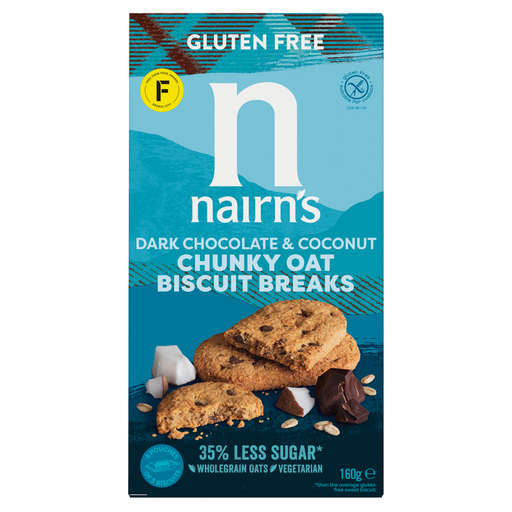
This oat-based gluten-free biscuit is an alternative to shortbread for a book club willing to serve a different type of biscuit. It is not a gluten-free shortbread selection.
 No image available
Consider this labelled gluten-free oat biscuit if the group is happy to serve biscuits other than shortbread. Check the pack for oat ingredients and any milk or nut warnings against guests’ requirements; keep it separate from wheat biscuits if serving both.
The Food Standards Agency describes the condition for gluten-free labelling as no more than 20 mg/kg of gluten in the food as sold to the final consumer. Look for a clear gluten-free label on the exact product rather than judging suitability by its appearance or brand.
Serve them on separate plates with clean utensils, rather than mixing them on one platter. Coeliac UK advises keeping gluten-free food from being contaminated by food containing gluten; watch for crumbs and shared spreads as well as contact between biscuits.
Not necessarily. Tesco lists its cited Free From Shortbread as vegan, while Waitrose’s cited product contains butter and may contain nuts; M&S states its cited rounds are not suitable for nut or peanut allergy. Check the exact pack against each guest’s requirements.
Check the exact oat ingredient and the pack with the guest rather than assuming every oat biscuit suits them. Tesco describes its cited gluten-free shortbread as containing gluten-free oat flour; an oat-based biscuit is not automatically shortbread.
Use the listing to choose a product, then read the pack you purchase. Tesco, Waitrose and M&S advise checking product labels because recipes or allergen information can change.