Gluten-free tea-break shoppers
If you want shortbread with tea or coffee, look for an explicit gluten-free claim rather than relying on a product name that only mentions wheat.


Choose shortbread explicitly labelled gluten free, then check its ingredients and allergen advice for the person eating it. All-butter rounds are an option when milk is suitable; some milk-free recipes contain gluten-free oats, which will not suit someone who avoids oats. Compare nutrition for the serving you plan to eat and check the pack again before serving, as recipes and warnings can change.
If you want shortbread with tea or coffee, look for an explicit gluten-free claim rather than relying on a product name that only mentions wheat.
If milk, oats, nuts, peanuts or soya also matter, compare the ingredients and warnings on each pack. Gluten free does not mean free from those ingredients.
Choose a pack and serving size that work for your group, and keep gluten-free biscuits away from crumbs from gluten-containing food.
Start with the gluten-free label, then check the particular recipe, allergen advice and serving information.
| Priority | What to check | Your needs |
|---|---|---|
| Gluten-free claim | Look for an explicit gluten-free statement on the pack. The Food Standards Agency defines the UK claim as no more than 20 mg/kg of gluten in the food as sold. | I want a biscuit labelled gluten free, rather than assuming that a wheat-free-sounding name is enough. |
| Other ingredients | Check for milk, oats and soya, and read nut and peanut warnings. Walker’s, M&S and Waitrose describe butter-based gluten-free ranges; Lazy Day Foods and Tesco describe recipes using gluten-free oat flour. | If I avoid milk, a butter-based round will not suit me. If I avoid oats, I need to check an oat-based recipe even when it is labelled gluten free. |
| Style and serving | Compare an all-butter recipe with an oat-based, milk-free recipe according to the ingredients you want. Read nutrition per biscuit or per serving, keeping the stated portion size in view. | For an afternoon break, I want to know what is in the biscuit and what the nutrition figures cover before choosing a portion. |
| Pack and storage | Check the current pack size and label before serving. Follow its directions after opening; M&S, Tesco and Waitrose advise airtight storage for the products described here. | When sharing, I need enough suitable biscuits and a way to keep them separate from ordinary biscuit crumbs. |
Butter-based shortbread contains milk, while other recipes may contain oats or soya or carry nut-related warnings.
Read the exact pack’s ingredients and precautionary advice for every ingredient the person eating it needs to avoid.
Coeliac UK says a small number of people with coeliac disease remain sensitive to gluten-free oat products.
If the person eating the biscuits avoids oats, compare other explicitly gluten-free recipes and check their current packs.
Retailer descriptions for these shortbreads warn that recipes and allergen information can change.
Check the pack you receive before serving it, particularly when buying for someone with an allergy.
England’s published school food standards distinguish biscuits served at lunch from snacks offered during the wider school day.
If you provide food in a school, check the applicable setting and rules in force rather than applying household snack advice to school provision.
These examples describe particular gluten-free ranges or listings, not every product made by each brand.
Walker’s lists gluten-free shortbread rounds made with butter and a rice-, potato- and maize-based flour blend.
Lazy Day Foods describes its Vegan Scottish Shortbread as gluten-, milk- and egg-free.
M&S lists Made Without Wheat All Butter Shortbread Rounds with an explicit gluten-free claim.
Waitrose lists Free From Gluten Butter Shortbread.
Tesco lists Free From Shortbread Biscuits made with maize starch and gluten-free oat flour.
Sainsbury’s lists a 160 g Free From Shortbread with a milk- and gluten-free recipe.
Dean’s identifies gluten-free shortbread among its product developments.
This Joybuy option is an oat-based gluten-free biscuit for an afternoon break, not shortbread. Compare its ingredients and allergen advice if you are considering a biscuit alongside the shortbread styles discussed above.
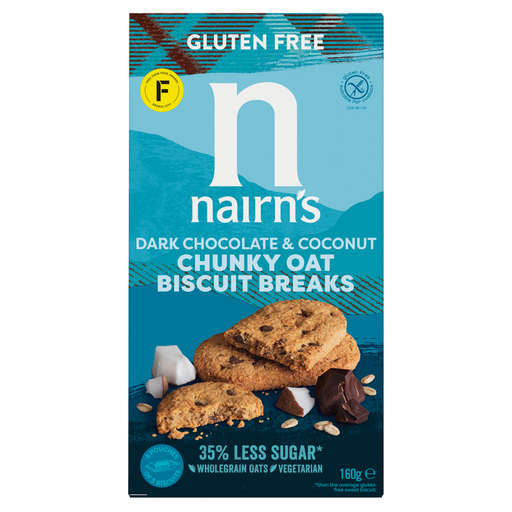 Image unavailable
A gluten-free oat biscuit to consider for an afternoon snack if you do not need shortbread. The pack is 160 g and the product contains oats; check its current milk and nut warnings before sharing.
No. Look for an explicit gluten-free statement on the particular pack. M&S makes that claim for its Made Without Wheat All Butter Shortbread Rounds; the Food Standards Agency defines a UK gluten-free claim as no more than 20 mg/kg of gluten in the food as sold.
Yes. The described Tesco and Lazy Day Foods recipes contain gluten-free oat flour. Coeliac UK says most people with coeliac disease can eat gluten-free oats, but a small number remain sensitive to them; check the particular recipe if oats matter to you.
Keep gluten-free biscuits and their serving surface free from crumbs from gluten-containing food. Follow the pack’s storage directions after opening; the described M&S, Tesco and Waitrose products advise airtight storage.
No conclusion about sugar or saturated fat follows from a gluten-free claim. Compare the nutrition labels for the amount you intend to eat, noting whether each figure is per 100 g, per biscuit or per serving.
No. England’s published school food standards distinguish biscuits served at lunch from snacks during the wider school day, so a household afternoon snack choice does not establish suitability for school provision. The Department for Education announced in September 2026 that new standards will become mandatory from September 2027; school providers should check the rules in force when serving food.