Parents packing for a child who needs gluten-free food
Look for an explicit gluten-free label, then read the current pack before putting the biscuit in a lunchbox. Conventional shortbread can contain wheat flour.


For a child who needs gluten-free food, choose shortbread explicitly labelled gluten free and check the current pack for any other relevant allergens. A separate snack pack may make portions easier to handle, but gluten-free does not mean milk-free or suitable for a nut allergy; check the school’s current lunchbox rules before packing it.
Look for an explicit gluten-free label, then read the current pack before putting the biscuit in a lunchbox. Conventional shortbread can contain wheat flour.
Check milk, nuts, peanuts, soya and oats where relevant to the child. Gluten-free shortbread products differ on these ingredients and their precautionary statements.
Ask the school about its current allergy-safety arrangements, including any instructions for food brought from home. The Department for Education’s guidance for England specifically addresses packed lunches.
Start with the gluten-free claim, then check the exact product against the child’s other requirements and the school’s arrangements.
| Priority | What to check | Your needs |
|---|---|---|
| Gluten-free status | Look for an explicit gluten-free claim on the current pack; check the ingredients rather than relying on the word “shortbread”. Coeliac UK explains that gluten-free-labelled food must contain no more than 20 parts per million gluten. | I need a biscuit labelled gluten free, not a conventional shortbread that might contain wheat. A recognised symbol may also help me identify a product, but I still need to check its other ingredients. |
| Other allergens | Read the ingredient and precautionary statements for milk, nuts, peanuts, soya and oats as relevant. Check the exact variant: gluten-free products do not share one allergen profile. | Gluten is not the only restriction I’m managing, so another family’s free-from choice may not suit this lunchbox. |
| Lunchbox format | Check the pack size, portion information and whether biscuits are separately wrapped. Walker’s lists a 60 × 30g gluten-free snack-pack case; its nine-round retail pack is a different format. | I want a portion I can identify and pack without confusing it with another biscuit. |
| School arrangements | Confirm the school’s current rules for packed food and any instructions on labelling or storage. Department for Education statutory guidance for England says schools should consider food brought from home in their allergy-safety arrangements. | I need to know whether this particular biscuit and the way I pack it fit my child’s school arrangements. |
Dean’s traditional shortbread lists wheat flour. The absence of a filling or topping does not establish gluten-free suitability.
Choose a product explicitly labelled gluten free and read the ingredients on the pack you are buying.
Some gluten-free shortbread contains butter or soya, while individual products carry nut-related warnings or restrictions.
Check the exact product’s allergen statements against the child’s requirements before substituting one biscuit for another.
Ingredients and allergen information can change, so a previously suitable purchase is not enough to identify the current pack.
Read its ingredients, precautionary statements, best-before date and storage instructions before packing it.
The Department for Education’s allergy-safety guidance for England includes packed lunches in the arrangements schools should consider.
Check the individual school’s current policy and any instructions that apply to the child.
These product-line references show why the gluten-free label, other allergens and pack format need separate checks; they are not a list of products available from Joybuy.
Walker’s lists gluten-free all-butter shortbread rounds in a 140g retail pack and a separate 60 × 30g snack-pack case.
Tesco describes its 160g shortbread biscuits as gluten free, milk free and egg free, and suitable for vegans.
Sainsbury’s describes its 160g shortbread as milk and gluten free.
Waitrose lists a 150g gluten-free all-butter shortbread.
M&S lists 150g gluten-free all-butter shortbread rounds.
Dean’s traditional 130g shortbread rounds provide an example of conventional, rather than gluten-free, shortbread.
This gluten-free oat biscuit is an alternative to consider for a school lunchbox, not a shortbread product. Check its current pack and the school’s arrangements before choosing it for a child.
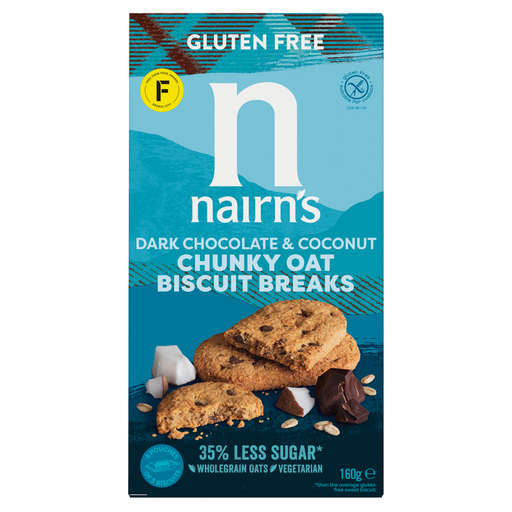 Image unavailable
For a lunchbox where an oat biscuit rather than shortbread is acceptable, this 160g product is labelled gluten free. Check the current pack for oat, milk and nut information relevant to the child; do not assume the pouch contains separately wrapped portions.
It can: Dean’s traditional shortbread, for example, lists wheat flour. For someone who needs gluten-free food, look for an explicit gluten-free claim and check the current ingredients rather than relying on the product name.
Coeliac UK explains that food labelled gluten free must contain no more than 20 parts per million gluten. The claim does not establish suitability for other allergies, so check the rest of the label too.
No. Walker’s gluten-free rounds contain butter, while Sainsbury’s says its milk-free gluten-free shortbread is not suitable for customers with a nut allergy. Match the exact pack’s ingredients and warnings to the child’s requirements.
Yes. Department for Education statutory guidance for England says packed lunches should be considered in school allergy-safety arrangements. Ask the individual school about its current policy and any instructions for the child.
Follow the storage instructions on the product you buy. Check how an opened pack should be kept, and make sure the biscuit can be identified correctly when it is packed for school.