Students looking for a gluten-free snack
A bar can travel between lectures or study sessions, but check the gluten-free claim on the exact pack and read it for any other allergens you need to avoid.


Choose a snack bar by the specific ingredient or allergen you need to avoid: a gluten-free claim does not also mean nut-free, milk-free, soya-free or vegan. For a packable snack, check the exact flavour’s ingredients and precautionary allergen statement before comparing bars. A bar is better treated as a snack or backup than as the whole dinner; the NHS Eatwell Guide describes an overall diet that includes starchy carbohydrates, protein foods, fruit and vegetables.
A bar can travel between lectures or study sessions, but check the gluten-free claim on the exact pack and read it for any other allergens you need to avoid.
Check both requirements on the particular bar. A vegetarian or gluten-free protein bar may still contain milk ingredients, while a bar containing honey is not vegan.
A general free-from description cannot settle these separate questions. Read the ingredients and any precautionary allergen statement for the flavour and pack you intend to buy.
Start with the allergen you must avoid, then check dietary preferences and whether the bar is meant to be a snack or a meal.
| Priority | What to check | Your needs |
|---|---|---|
| Specific allergens | Read the exact pack’s ingredients, highlighted allergens and any “may contain” statement. A gluten-free claim addresses gluten, not every other allergen. | I need to rule out the ingredients and precautionary warnings that matter to me, not rely on “free-from” alone. |
| Gluten-free claim | Look for a gluten-free claim on the specific product rather than assuming an oat bar qualifies. Coeliac UK advises checking labels and treating “may contain” gluten statements as cross-contamination warnings. | For a strict gluten-free choice, I want the claim and the current allergen information on the bar I am buying. |
| Vegan and dairy-free fit | Check each claim separately, then look for milk ingredients and honey. Read precautionary statements where they affect your requirements. | A vegan snack might suit my food choices, but I also need to check whether its dairy and other allergen information works for me. |
| Snack or dinner | Check the bar’s portion and nutrition information without treating protein content as proof of a complete meal. The NHS Eatwell Guide considers food groups across the overall diet. | When I need something portable, a bar can be a snack; for dinner, I still need to plan the rest of what I will eat. |
Nature Valley Protein Peanut & Chocolate is described as gluten-free but contains peanut, soya and milk ingredients. Eat Natural Peanuts, Almonds & Cocoa contains peanuts and almonds.
Decide which allergens you need to avoid before shopping, then check both the ingredients and precautionary statement on the exact product.
A Tesco listing for Graze Cherry Bakewell Oat Boost warns that it may contain cereals containing gluten. Alpen says its products contain gluten from wheat, barley or oats.
If you need a gluten-free bar, check for that claim on the exact product and read its current allergen information.
A bar may be easy to carry, but its protein figure alone does not tell you whether dinner includes the range of foods described in the NHS Eatwell Guide.
Keep the bar as a snack or backup. For dinner, consider a starchy food such as rice or potatoes alongside a suitable protein food and vegetables.
These examples show why a claim on one bar should not be applied to every product from the same brand.
Berry Delight is presented by nākd. and Tesco as a gluten-free, dairy-free and vegan fruit-and-nut bar.
TREK describes Original Oat as a gluten-free vegan protein flapjack.
Protein Peanut & Chocolate is a gluten-free protein-bar example, not a broadly allergen-free one.
Peanuts, Almonds & Cocoa is a gluten-free fruit-and-nut protein-bar option when its ingredients suit you.
Graze says its snacks are vegetarian and most are vegan, but neither statement establishes whether a particular bar is gluten-free.
Alpen is a cereal-bar reference to check carefully when gluten is the deciding restriction.
These are snack-bar options for checking different free-from requirements. Their flavours and pack sizes differ, so read the current label for the exact bar rather than transferring an allergen claim from another product in the range.
 No image available
A fruit-and-nut snack to consider when comparing gluten-free, dairy-free and vegan options. Because this is Peanut Delight, check its peanut and other allergen information on the exact pack.
 No image available
An oat-flapjack option for a portable snack. Check the Cocoa Oat pack’s gluten-free and vegan claims and its soya, milk, peanut and nut advice; the information for TREK Original Oat does not establish this flavour’s specifications.
 No image available
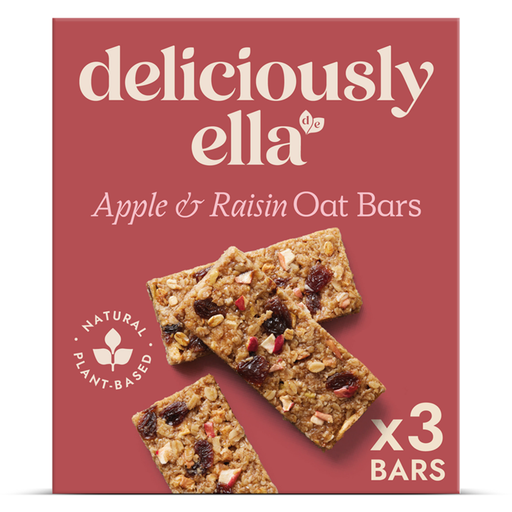
An oat-bar option if you prefer an apple, raisin and cinnamon flavour. If gluten-free or vegan suitability matters, confirm the claims and precautionary allergen wording on this exact pack.
 No image available
A fruit-and-nut bar to compare with other packable snacks. Check the Blueberry Muffin ingredients and allergen statement separately from nākd. Berry Delight, particularly if nuts or peanuts are a concern.
 No image available
A gluten-free snack-bar option when peanut, soya and milk ingredients are acceptable. Nature Valley states around 10g protein and 4g fibre per 40g bar; it also warns of possible tree nuts.
No. Food Standards Agency guidance gives a limit of no more than 20 mg/kg of gluten in food sold as gluten-free, but that claim does not rule out peanuts, nuts, milk, soya or other allergens. Check the exact pack’s ingredients and any “may contain” statement.
Treat it as a snack or backup rather than assuming it covers dinner. The NHS Eatwell Guide describes an overall diet that includes starchy carbohydrates, protein foods, fruit and vegetables; plan the rest of your food with those groups in mind.
No. Look for a gluten-free claim on the particular bar and read its allergen statement. For example, the Tesco listing for Graze Cherry Bakewell Oat Boost warns that it may contain cereals containing gluten.
Read the ingredients for the allergens relevant to you, then check any precautionary “may contain” statement. UK Food Standards Agency guidance requires regulated allergens used as ingredients in prepacked food to be declared and emphasised in the ingredients list.