Coeliac shoppers comparing portions
Start with the gluten-free label on the exact bar, then compare kcal for the whole bar. A small portion or a low-looking calorie figure does not establish gluten-free suitability.


For coeliac shopping, establish that the exact snack bar is labelled gluten free before comparing calories per whole bar. Sainsbury’s lists Eat Natural Apple Soft Fruit Bar at 86 kcal per 25 g bar, while Nature Valley lists 196 kcal and more protein and fibre for its 40 g Protein Peanut & Chocolate bar; oat-based wording alone does not establish gluten-free suitability, according to Coeliac UK.
Start with the gluten-free label on the exact bar, then compare kcal for the whole bar. A small portion or a low-looking calorie figure does not establish gluten-free suitability.
If protein and fibre matter alongside calories, compare all three figures per bar. Nature Valley lists 10.2 g protein, 4.4 g fibre and 196 kcal for its 40 g Protein Peanut & Chocolate bar.
Check the gluten-free labelling of the specific flapjack or cereal bar. Coeliac UK says descriptions such as “pure oats” and “100% oats” do not tell you whether an oat product is gluten free.
Check suitability for a gluten-free diet before using the nutrition panel to compare whole-bar portions and other attributes that matter to you.
| Priority | What to check | Your needs |
|---|---|---|
| Gluten-free suitability | Look for a gluten-free claim on the exact current pack. Check its ingredients and allergen statement; Coeliac UK explains that foods labelled gluten free contain no more than 20 parts per million of gluten. | I need a bar whose gluten-free status applies to the product I am buying, not merely to its brand or a similar flavour. |
| Whole-bar calories | Compare kcal per entire bar and note each bar’s weight. Use the per-100 g figure as well when portion sizes differ. | If I usually eat one whole bar, that is the portion I want to compare. Sainsbury’s lists Eat Natural Apple Soft Fruit Bar at 86 kcal per 25 g bar. |
| Protein, fibre and allergens | Read protein and fibre values for the same portion as the calorie figure. Check other allergens separately: Nature Valley lists peanut, soy and milk ingredients for Protein Peanut & Chocolate, which may also contain other tree nuts. | I may prefer the 40 g Nature Valley bar’s stated 10.2 g protein and 4.4 g fibre, while accounting for its 196 kcal per bar and allergen information. |
| Oat-bar labelling | Check that the specific oat bar is labelled gluten free; terms such as “organic oats” do not establish this, according to Coeliac UK. Check cereal ingredients on each variant. | An oat-based flapjack appeals to me, but I cannot use “made with oats” as a substitute for checking its gluten-free status. |
A smaller cereal bar may still contain wheat. The British Corner Shop listing for Alpen Light Jaffa Cake identifies wheat and oats among its allergens.
Check the exact bar’s gluten-free claim, ingredients and allergens first; compare kcal per bar afterwards.
Coeliac UK says “pure oats”, “100% oats” and “organic oats” do not indicate whether an oat product is gluten free.
For a flapjack or other oat bar, check gluten-free labelling on the current product rather than relying on the oat description.
Calories for one 25 g bar describe a different portion from calories for one 40 g bar. Sainsbury’s lists 86 kcal for Eat Natural Apple Soft Fruit Bar at 25 g; Nature Valley lists 196 kcal for Protein Peanut & Chocolate at 40 g.
Compare the whole-bar figures for your usual portion, and read kcal per 100 g if you want to account for the size difference.
Nature Valley Protein Peanut & Chocolate provides 10.2 g protein and 4.4 g fibre per 40 g bar, alongside 196 kcal. Nature Valley also identifies peanut, soy and milk ingredients and possible tree-nut presence.
Consider its calories and allergen statement alongside the protein and fibre figures before deciding whether it fits your needs.
These examples refer to particular bars or product ranges; check the exact current pack rather than assuming that every bar from a brand has the same ingredients or gluten-free status.
Sainsbury’s lists the Apple Soft Fruit Bar as gluten free, vegan and 86 kcal per 25 g bar.
Nature Valley identifies selected Protein bars as gluten free, including Peanut & Chocolate and Salted Caramel Nut.
Tesco lists Cocoa Delight as free from gluten and dairy and suitable for vegans; nākd. describes it as a fruit-and-nut bar with no added sugar.
TREK describes its Original Oat protein flapjack as gluten free and vegan, with 10 g plant protein.
Graze says it applies nutritional thresholds across its snacks.
Alpen Light Jaffa Cake illustrates why a small cereal bar needs a separate gluten-free check.
These options cover fruit-and-nut bars, a Nature Valley protein bar and TREK flapjacks. They are different variants from several of the examples above: check each current pack’s gluten-free labelling, nutrition panel and allergens before choosing.
 No image available
This fruit-and-nut format may suit a shopper comparing individual snack portions. Check the Blueberry Muffin pack for its gluten-free claim, kcal per bar and nut allergens; findings for Cocoa Delight do not establish this flavour’s details.
 No image available
Consider this gluten-free variant if protein and fibre matter alongside portion calories. Nature Valley lists 10.2 g protein, 4.4 g fibre and 196 kcal per 40 g bar; it contains peanut, soy and milk ingredients and may contain other tree nuts.
 No image available
This 50 g flapjack is an oat-bar option to assess against smaller snack portions. Check the Salted Caramel pack for its own gluten-free labelling, kcal per bar and allergens; TREK’s information about Original Oat does not establish this flavour’s values.
 No image available
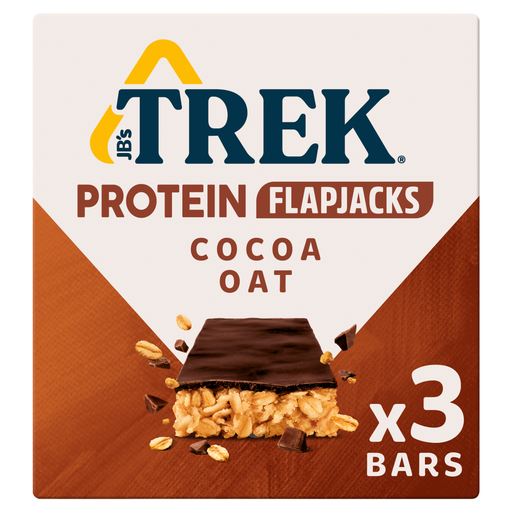
For this oat-based 50 g bar, check the Cocoa Oat pack’s gluten-free claim and whole-bar calories before comparing it with fruit bars. Read its own allergen statement rather than applying details from another TREK variant.
 No image available
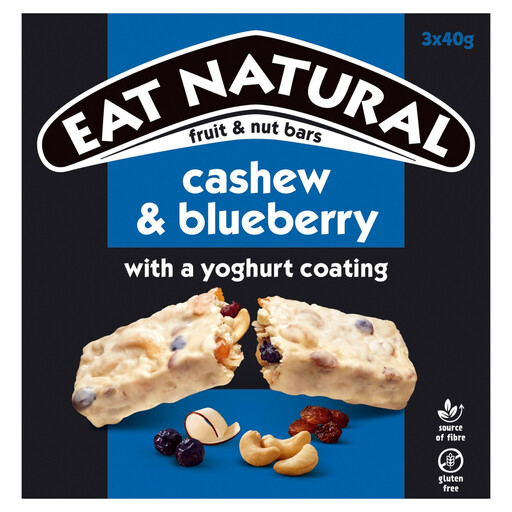
This 40 g fruit-and-nut bar gives you another portion size to compare. Check its own gluten-free labelling, kcal per bar and allergens: the 86 kcal figure cited above belongs to Eat Natural Apple Soft Fruit Bar, not this variant.
Check that the exact current product is labelled gluten free or confirmed as suitable through current gluten-free guidance, then read its ingredients and allergen statement. Coeliac UK explains that foods labelled gluten free contain no more than 20 parts per million of gluten.
No. Calories describe energy, not gluten-free suitability. Check the bar’s gluten-free labelling first, then compare kcal for the whole bar and note its weight; the British Corner Shop listing for Alpen Light Jaffa Cake identifies wheat among its allergens despite its stated per-bar calorie figure.
That wording alone is not enough. Coeliac UK says “pure oats”, “100% oats” and “organic oats” do not tell you whether an oat product is gluten free. Check the specific bar’s gluten-free labelling.
Do not treat its calorie figure as evidence that it is suitable. The British Corner Shop listing identifies wheat and oats among the allergens for Alpen Light Jaffa Cake; check the current pack when assessing any product.
Compare portion weight, protein, fibre and any allergens relevant to you on the same bar. For example, Nature Valley lists 10.2 g protein, 4.4 g fibre and 196 kcal for its 40 g Protein Peanut & Chocolate bar, which contains peanut, soy and milk ingredients and may contain other tree nuts.