
24/7 Customer Support

Free returns

Same-day & Next-day Delivery

Quality Guaranteed

Unlock Your Welcome Offers: FREE Delivery | Up to 80% OFF | Free 30-day JoyPlus trial
Download the APP
Finding suitable gluten-free snacks in the UK can be more complicated than choosing between sweet and savoury flavours. Packaging may highlight “free from” claims while giving less prominence to cross-contact warnings, serving sizes or ingredients that do not suit your household.
Whether you need snacks for people with coeliac disease, are avoiding gluten by choice or want convenient food for children, these checks can help you spend wisely.
Oats are naturally gluten-free, but they may be processed alongside wheat, barley or rye. Some people may also react to avenin, a protein found in oats. Products such as gluten-free oatcakes and oat biscuits should therefore be checked carefully for their specific allergen statement and suitability information.
A product labelled gluten-free may still contain milk, soya, eggs, nuts or lupin. Gluten-free biscuits can also be high in sugar, fat or salt, just like conventional biscuits. “Gluten-free” describes one characteristic; it does not automatically mean low-sugar, high-fibre, vegan or suitable for every allergy.
Large packs can offer convenience, but biscuits and crackers may lose their crunch once opened. Individually packed snacks are useful for lunch bags and travel, while resealable packaging or airtight storage is more practical for products eaten gradually at home.
In the UK, ingredients that are legally recognised allergens should be emphasised in the ingredients list. Look for wheat, barley, rye, milk, soya, eggs, peanuts and nuts, as relevant to your needs. Also check “may contain” wording, particularly when buying snacks for someone with coeliac disease or a diagnosed allergy.
A product labelled gluten-free should meet the applicable UK threshold of no more than 20 mg of gluten per kilogram. However, always check the current packaging because recipes, manufacturing sites and allergen advice can change.
A 150g pack may contain very different numbers of portions depending on biscuit size. Check the nutrition panel per serving as well as per 100g, especially when comparing sweet and savoury snacks. Keep opened products in a cool, dry place and use an airtight container where the packaging recommends it.
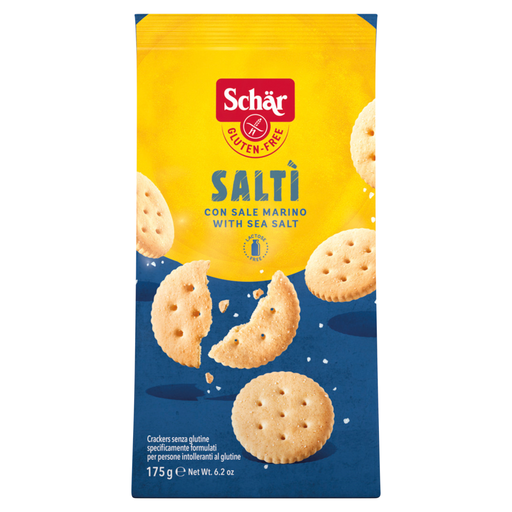
Why This Fits Their Persona: A practical savoury starting point for work breaks, picnics or topping with hummus and cheese.
The 175g format gives a clear everyday quantity, while the listed allergen information identifies gluten-free status and possible traces of soya and lupin.
Crisp savoury format; suitable for eating alone or pairing with dips and toppings.

Why This Fits Their Persona: Suits shoppers looking for a substantial oat-based savoury snack to serve with cheese, vegetables or spreads.
The ingredient list specifies 72% gluten-free wholegrain oats and identifies milk, oats and possible nuts, helping shoppers assess dietary fit.
180g pack; 9.0g fibre and 11.2g protein per 100g as listed on the product information.
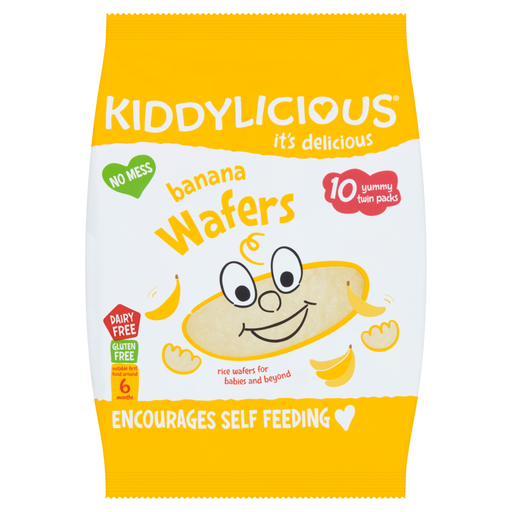
Why This Fits Their Persona: Designed for parents preparing individually packed snacks for weaning, outings and supervised self-feeding.
The pack is age-labelled for 6+ months and lists gluten-free, dairy-free and egg-free characteristics; parents should still read the current label and supervise eating.
Ten 4g portions; rice-based wafers with banana powder and no added salt listed in the product details.
We have compiled a complete, real-time list of products that fully meet these strict selection criteria and UK safety regulations.
Choose products clearly labelled gluten-free, then check the full ingredient list and “may contain” statement. Suitable options may include gluten-free biscuits, crispbreads, crackers and selected rice wafers, but recipes and manufacturing information vary. Use the label on the specific pack rather than relying on a product category or older listing.
No. Gluten-free snacks can contain similar amounts of sugar, fat and salt to standard biscuits and crackers. Compare nutrition per 100g and per serving, and consider fibre where relevant. Products such as sweet wafers and chocolate biscuits are treats, while savoury crackers may still contribute significant salt.
Some products are specifically labelled from 6 months, but age guidance does not remove the need for care. Offer food only when the baby is seated upright and able to manage the texture, supervise throughout eating and follow the manufacturer’s instructions. Check allergens before introducing any new food, including products marketed as vegan snacks or dairy-free snacks.
For shoppers seeking halal desserts, vegan snacks, dairy-free snacks or a mixture of sweet and savoury snacks, the same principle applies: verify each product’s current ingredients, allergen statement, pack size and storage guidance before ordering.