
24/7 Customer Support

Free returns

Same-day & Next-day Delivery

Quality Guaranteed

Unlock Your Welcome Offers: FREE Delivery | Up to 80% OFF | Free 30-day JoyPlus trial
Download the APP
Shopping for gluten-free snacks and food can look simple until you start checking the small print. A product may feature gluten-free messaging on the front while carrying a warning for another allergen, unsuitable ingredients or shared manufacturing equipment. Some foods are also suitable for vegetarians but not vegans, while others may be gluten-free but high in sugar or salt.
This guide explains the main buying pitfalls, the specifications worth checking and a selection of products for different UK household needs.
Gluten-free does not automatically mean dairy-free, vegan, nut-free or suitable for every person with an allergy. For example, gluten-free biscuits may contain milk, soya, sesame or nuts. Always read the full ingredients and allergen statement, particularly if food is being shared with children or people with multiple dietary restrictions.
For people with coeliac disease, look for clear gluten-free labelling and check the manufacturer’s handling information. In the UK, “gluten-free” is generally used for food containing no more than 20 mg/kg of gluten, but packaging remains the most reliable source for the product currently supplied.
Rice cakes, gluten-free crispbread and gluten-free cereal can be convenient, but their nutritional profiles vary. A plain rice cake may be relatively light per piece yet provide little protein or fibre. Conversely, some sweetened cereals and biscuits can contain considerable sugar per 100g.
Compare the per 100g nutrition panel, not just the serving suggestion. Check carbohydrates, sugars, fibre, salt and saturated fat, then consider what you will add. Tahini, hummus, fruit or a protein-containing topping can make a plain base more filling.
Bulk packs can reduce the number of shopping trips, but opened oats, seeds, rice and biscuits need suitable storage. Crisp products can soften, seeds may require refrigeration after opening and large rice bags should be sealed to help protect against moisture and pests.
Choose pack sizes according to how often your household cooks. A 10kg rice bag suits regular batch cooking more than an occasional user, while smaller packs may reduce waste.
Look for the complete allergen declaration rather than relying on front-of-pack wording. A product can be gluten-free while containing oats, which some people may not tolerate because of avenin. Nairn’s Gluten Free Biscuit Breaks, for example, state that they are not suitable for people who react to avenin.
Check for “may contain” statements as well. These are particularly important when buying coeliac-friendly food or products for someone with a diagnosed allergy. A vegan label may also include a shared-site warning, as seen on some rice cakes manufactured where milk is used.
For everyday healthy snacks, compare:
The front label can help with quick comparisons, but the back-of-pack panel gives the more complete picture.
Consider whether you need a ready-to-eat item, a breakfast ingredient or a base for meals. Gluten-free rice cakes and biscuits work for lunchboxes and tea breaks, while gluten-free oats, rice and gluten-free noodles support cooking and baking.
Check storage instructions and resealing features. Once opened, many products should be kept airtight. Linwoods seed blends, for example, require refrigeration after opening and should be consumed within the stated period.
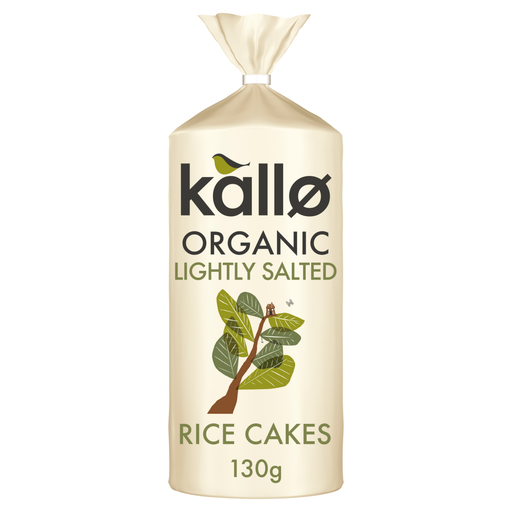
Why This Fits Their Persona: A simple cupboard option for shoppers building a gluten-free snack routine without buying several specialised products. Each cake is listed at 27 calories and the ingredients are organic wholegrain rice and sea salt.
The short ingredient list makes it easier to check what you are buying. The pack also states that cross-contamination with milk may be possible, so it does not encourage assumptions about allergen-free status.
Organic wholegrain rice; suitable for vegetarian and vegan diets according to the supplied product information, subject to the manufacturing warning.

Why This Fits Their Persona: A tea-time choice for shoppers who want a more distinctive flavour than plain gluten-free biscuits. It combines wholegrain oats, dark chocolate chips and desiccated coconut in a resealable pouch.
The label provides full oat and allergen information, including a warning about possible milk traces and avenin sensitivity. This helps shoppers assess suitability before purchase.
Contains 57% gluten-free wholegrain oats; resealable 160g pouch; the supplied label states 35% less sugar than the average sweet gluten-free biscuit.

Why This Fits Their Persona: A practical choice for households that use oats for porridge, overnight oats, crumble toppings or gluten-free baking. The 1kg pack provides 25 stated 40g portions.
It is listed as 100% gluten-free oat flakes, rather than a flavoured oat blend with added sugar. Keep it sealed after opening and check the current packaging for allergen wording.
Single-ingredient oat flakes; 8.6g fibre and 11.3g protein per 100g according to the supplied nutrition panel.
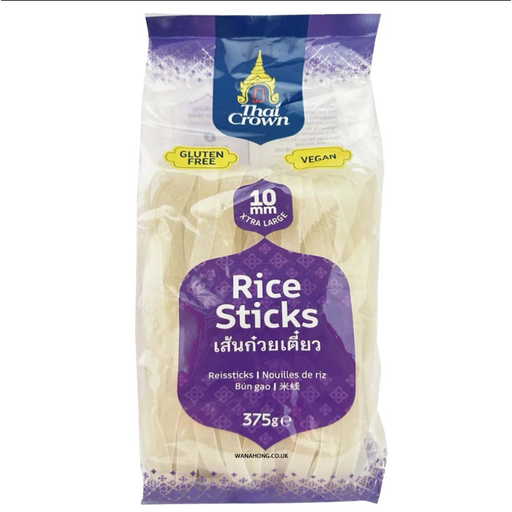
Why This Fits Their Persona: A meal-preparation staple for larger households making stir-fries, soups or Thai-style noodle dishes. It contains rice flour and water, with a 375g net weight.
The ingredient list is short and clearly states that the product is made from rice flour and water. The packaging still advises checking the current shared-facility information.
100% rice flour and water; extra-wide 10mm format; suitable for stir-fries, soups and curry dishes.
We have compiled a complete, real-time list of products that fully satisfy these strict selection criteria and UK safety regulations.
A varied cupboard can include gluten-free cereal, gluten-free crispbread, gluten-free noodles, gluten-free biscuits and spreads. Meridian Natural Light Tahini contains 100% roasted hulled sesame seeds and is listed as free from gluten, dairy and added sugar or salt, but it contains sesame and may contain nuts or peanuts.
For a sweet snack, Schär Gluten Free Custard Creams are listed as wheat-free and vegan, while Schär Gluten Free Vanilla Wafers contain milk and soya. These differences show why product-to-product label checks matter, even within the same range.
Not every rice noodle is gluten-free. Pine Tree Thai Rice Vermicelli is specifically listed as containing cereals containing gluten, so do not substitute it for rice noodles labelled gluten-free.
Some are, but suitability depends on the product’s current gluten-free labelling, ingredients and handling information. Check the packaging each time you buy, especially for “may contain” warnings and oat-related information. If you have coeliac disease, follow the advice provided by your healthcare professional or Coeliac UK.
Not necessarily. Oats do not naturally contain wheat, barley or rye gluten, but they can be exposed to these cereals during processing. Some people also react to avenin, an oat protein. Choose products specifically labelled gluten-free and check whether oats suit your individual dietary requirements.
Keep dry foods in a cool, dry place and reseal opened packs. Use airtight containers for biscuits, cereal and rice where appropriate. Refrigerate products such as opened seed blends according to the label and keep gluten-free items separate from crumbs or flour if cross-contact is a concern.