
24/7 Customer Support

Free returns

Same-day & Next-day Delivery

Quality Guaranteed

Unlock Your Welcome Offers: FREE Delivery | Up to 80% OFF | Free 30-day JoyPlus trial
Download the APP
As a Joybuy Product Recommendation Officer, my role is to help you navigate the crowded shelves and make informed choices. For anyone living with coeliac disease or a gluten intolerance in the UK, finding a safe and flavourful gluten free soy sauce can be a frustrating exercise. The rich, umami depth of soy sauce is a cornerstone of many cuisines, but its traditional brewing process often involves wheat, making it off-limits.
Navigating the condiment aisle requires a sharp eye. Many shoppers fall into a couple of common traps that can lead to disappointment or, more seriously, a reaction to gluten.
To avoid these issues, it pays to understand what to look for before you buy gluten free soy sauce online or in-store.
To ensure you get a product that is both safe and delicious, focus on these three non-negotiable factors.
This is the most critical checkpoint. In the UK, for a product to be labelled "gluten-free," it must contain no more than 20 parts per million (ppm) of gluten.
The taste and quality of a soy sauce are determined by its ingredients and how it's made. Gluten-free versions achieve their flavour through different means.
Understanding the base ingredients can help you anticipate the flavour and choose a gluten free tamari or soy sauce that best suits your cooking style.
Soy sauce is inherently salty, but the levels can vary significantly between brands. If you are monitoring your salt intake, this is a key factor.
Based on these criteria, we have matched a couple of standout products to specific user needs. These recommendations are for those seeking a genuinely coeliac friendly soy sauce without compromising on flavour.
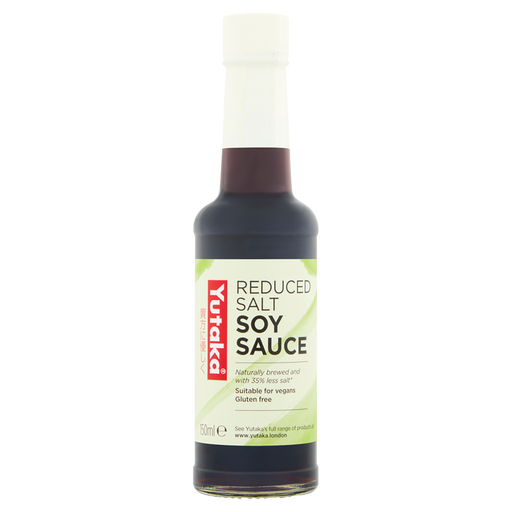
Why This Fits Their Persona: This Japanese-style soy sauce is ideal for UK home cooks who want to manage their salt intake without losing the authentic umami flavour required for dressings, sushi dipping and light marinades. It offers a balanced taste that enhances rather than overpowers.
It is explicitly Certified Gluten-Free (GF), removing all guesswork and eliminating the risk of hidden wheat found in many "reduced salt" products.
Contains 38% less salt than the brand's standard soy sauce, providing excellent control over seasoning. Brewed with rice instead of wheat for a smooth, authentic flavour.
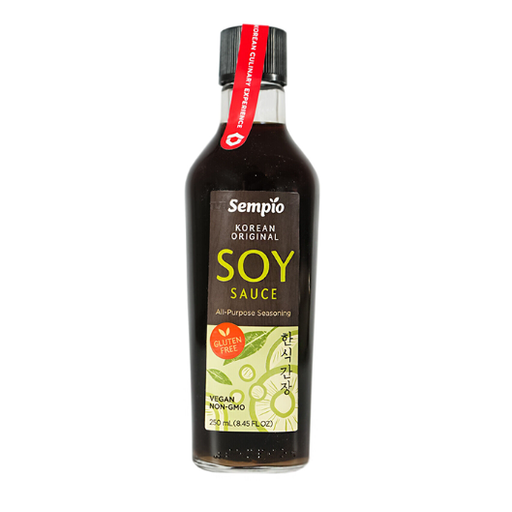
Why This Fits Their Persona: For those cooking Korean dishes like bulgogi or japchae, or simply seeking a versatile, all-purpose seasoning, this soy sauce delivers an authentic, deep umami flavour. It's a staple for anyone wanting to replicate traditional Korean tastes safely.
This product is brewed without wheat from the start and is clearly certified as Gluten-Free and Vegan. It is made from non-GMO soybeans, ensuring a clean and safe product.
Offers a deep, balanced and naturally brewed flavour suitable for a wide range of uses, from marinades and stir-fries to dipping sauces. It provides an authentic Korean flavour profile.
We have compiled a complete, real-time list of products that fully satisfy these strict selection criteria and UK safety regulations.
Not always. While traditional tamari is brewed with only soybeans and has a richer, less sweet flavour, some modern producers add a small amount of wheat. It is essential to treat tamari the same as any other soy sauce: always check the allergen information in the ingredients list for the word WHEAT before purchasing.
The most reliable method is to look for a "Certified Gluten-Free" statement or the Crossed Grain symbol on the label. In addition, always double-check the ingredients list for any mention of wheat, barley, rye or other gluten-containing cereals, which must be highlighted in bold.
Yes, in almost all cases. Gluten-free soy sauce is designed to be a direct substitute in recipes. Whether you are making a marinade, a stir-fry or a dipping sauce, you can use it in the same quantity as conventional soy sauce. You may notice slight differences in flavour—tamari-style versions can be richer and less sweet—but it will deliver the desired savoury, umami character.