
24/7 Customer Support

Free returns

Same-day & Next-day Delivery

Quality Guaranteed

Unlock Your Welcome Offers: FREE Delivery | Up to 80% OFF | Free 30-day JoyPlus trial
Download the APP
For anyone in the UK navigating a gluten-free diet, finding authentic ingredients for Asian cooking can be a challenge. Soy sauce, the cornerstone of countless marinades, stir-fries and dipping sauces, traditionally contains wheat. This leaves many with celiac disease or gluten intolerance searching for a safe alternative that doesn't compromise on that essential, savoury umami flavour. As a Joybuy Product Recommendation Officer, my role is to help you see past the marketing jargon and make informed choices. Let's look at the common pitfalls to avoid when buying a gluten free soy sauce.
To ensure you get a product that is both safe and flavourful, focus on these key details.
The flavour of soy sauce comes from the fermentation of soybeans. Traditional soy sauce uses roasted wheat alongside soybeans, which adds a subtle sweetness and aroma. High-quality gluten-free versions replicate this complexity without the wheat.
This is the most critical step for anyone with dietary restrictions. UK regulations require allergens to be clearly marked, usually in bold.
Instead of a generic list, we've matched products to specific needs, helping you find the right fit for your kitchen.

Why This Fits Their Persona: This is for the home cook who refuses to compromise on taste. If you're preparing classic Asian dishes and need a reliable, flavourful and safe soy sauce, this is an excellent starting point. It's specifically designed to deliver that authentic soy sauce taste, without the wheat.
It directly tackles the "flavour-free" pitfall by using yeast extract and flavour enhancers to build a rich umami profile that mimics traditional soy sauce, ensuring your dishes don't taste flat.
Specifically formulated and clearly labelled as gluten-free. From a globally recognised brand known for authentic Asian sauces.
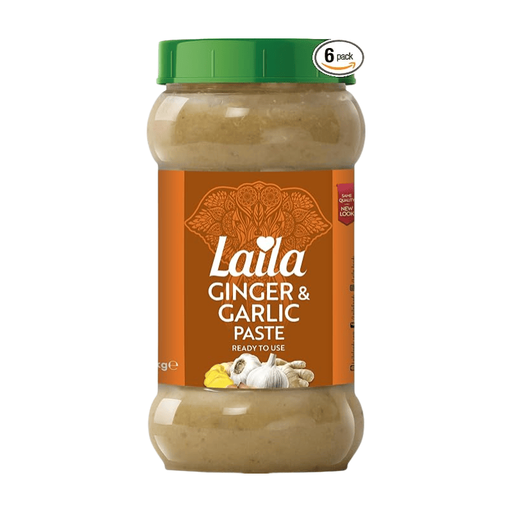
Why This Fits Their Persona: For busy UK households, meal prep needs to be efficient. This paste provides the aromatic foundation for countless Asian dishes, saving you from peeling and chopping. It's a gluten-free base that you can combine with your chosen gluten-free soy sauce for a quick and flavourful meal.
By starting with a reliable, flavourful and allergen-aware base, you're not solely reliant on the soy sauce for flavour. This helps you build a complex taste profile, avoiding the "flavour-free" trap even if your sauce is simple.
Saves significant preparation time. The ingredient list is clear about the absence of gluten-containing cereals, making it a safe building block for gluten-free cooking.

Why This Fits Their Persona: For the cook who wants complete control over their seasoning. If you're wary of pre-made sauces or enjoy creating your own marinades, starting with a high-quality, pure salt is essential. This coarse sea salt provides a clean, briny base for building your own gluten-free umami seasoning from scratch.
This product completely avoids the "hidden additives" pitfall. It is pure salt with no anti-caking agents, preservatives or flavour enhancers, giving you a pure foundation for your own sauces.
100% pure sea salt with no additives. The coarse texture is excellent for drawing out moisture and flavour in marinades and for finishing dishes with a satisfying crunch.
We have compiled a complete, real-time list of products that fully satisfy these strict selection criteria and UK safety regulations.
Not exactly. While most tamari sold in the UK is gluten-free, it's a different product. Tamari is a Japanese sauce made with a higher concentration of soybeans and little to no wheat. It has a darker colour and a richer, less sweet flavour than typical Chinese-style soy sauce. A product labelled "gluten-free soy sauce" is often formulated to more closely mimic the taste of standard light soy sauce. Always check the label to be certain.
Just like their traditional counterparts, gluten-free soy sauces come in light and dark varieties.
light soy sauce for celiacs is the most versatile bottle to have.If you need to avoid soy as well as gluten, there are other ways to build an umami seasoning profile. Ingredients like mushroom powder, nutritional yeast, tomato paste and fermented black beans can all add a deep, savoury flavour to your dishes. Combining these can help replicate the complexity you might miss from soy sauce.