
24/7 Customer Support

Free returns

Same-day & Next-day Delivery

Quality Guaranteed

Unlock Your Welcome Offers: FREE Delivery | Up to 80% OFF | Free 30-day JoyPlus trial
Download the APP
Hello, I'm your Joybuy Product Recommendation Officer. My role is to help you navigate the crowded market of ingredients and foods to make informed choices. Today, we're exploring the wonderfully versatile world of glutinous rice. Whether you're aiming to recreate a cherished family recipe or looking for a quick and satisfying meal, understanding this staple is key.
Many shoppers find themselves confused by the options available. It's easy to end up with the wrong product if you're not aware of a few common pitfalls. Let's clear up the confusion so you can buy with confidence.
siu mai with glutinous rice or tang yuan means missing out on authentic flavours that fit a busy UK lifestyle.To ensure you get the right product for your culinary needs, focus on these two core parameters. They will help you distinguish between different types and choose the perfect match for your dish.
The first step when you decide to buy glutinous rice is to identify the type you need. The choice has a significant impact on the final dish's texture and flavour.
White Glutinous Rice: This is the most common type. It's further divided by grain length.
Black Glutinous Rice: This is an unpolished whole grain with a beautiful deep purple-black colour and a slightly nutty flavour. It's primarily used in desserts across Asia, such as sweet porridges, puddings and the filling for glutinous rice balls. It requires a longer soaking and cooking time than its white counterpart.
Your choice here depends entirely on your available time and culinary ambition.
Raw Grains: For the dedicated home cook, a bag of raw sweet rice offers maximum versatility. You can use it for anything from savoury meals to sweet desserts. It allows for complete control over seasoning and ingredients. This is the path for those wanting to make dishes like zongzi or fresh mango sticky rice from the ground up.
Ready-Made & Frozen: For convenience without compromise, the market offers an excellent range of prepared products. These are perfect for quick weeknight meals, snacks or easy desserts. Look for:
siu mai with glutinous rice offer a savoury, satisfying bite, ready to steam in minutes.Based on these practical considerations, we've matched a few standout products to different user needs.
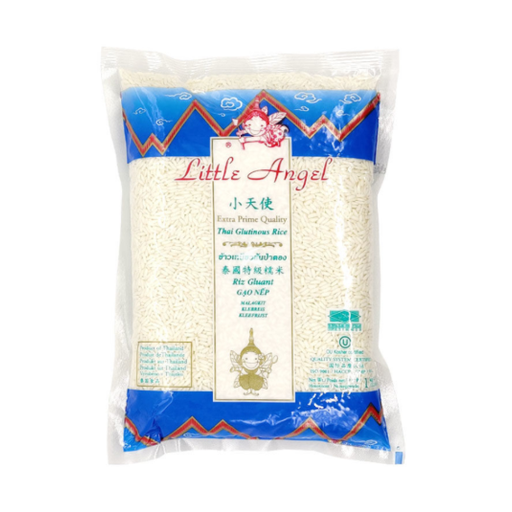
Why This Fits Their Persona: This user wants to create authentic Southeast Asian dishes, particularly Thai desserts, from scratch. They need a reliable, high-quality raw ingredient that delivers the correct texture every time.
It directly solves the "wrong grain" problem. As a premium Thai sticky rice, it is the correct long-grain variety needed for dishes like mango sticky rice, ensuring authentic results.
Sourced from Thailand for authentic quality. It cooks to a perfect soft, chewy consistency ideal for desserts and savoury sides.
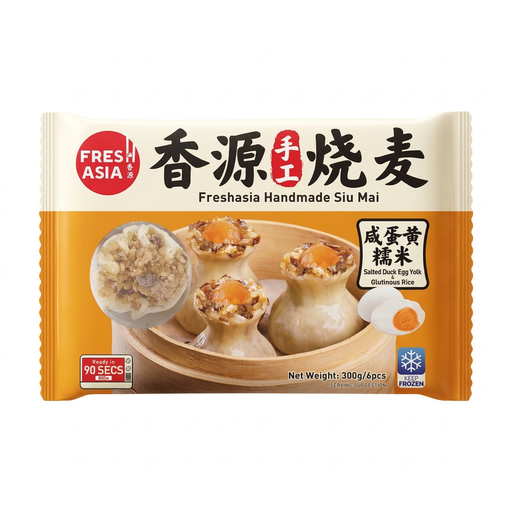
Why This Fits Their Persona: This person loves authentic dim sum but lacks the time for complex preparation. They want a quick, high-quality meal that delivers genuine Cantonese flavour without a trip to a restaurant.
This product embraces the convenience factor. It provides a restaurant-quality frozen dim sum that is ready to steam from frozen, saving hours of prep work.
Handmade with a generous filling of seasoned glutinous rice and a rich, savoury salted duck egg yolk for an authentic, umami-rich flavour.
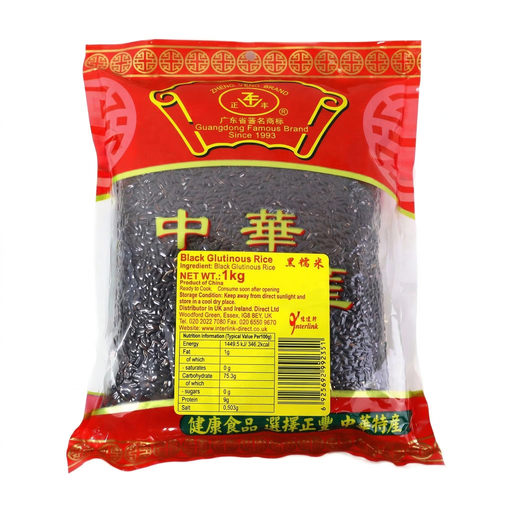
Why This Fits Their Persona: This user loves making traditional Asian desserts and is looking for the specific ingredients to create authentic sweet soups, puddings and colourful rice dishes.
This is a specialised ingredient. By choosing black glutinous rice, the user avoids trying to substitute with white rice, which would fail to produce the correct colour, flavour and texture for classic desserts.
A natural whole grain that provides a deep black colour, a distinct nutty flavour and a satisfyingly chewy texture. It is a versatile base for many traditional sweet dishes.
We have compiled a complete, real-time list of products that fully satisfy these strict selection criteria and UK safety regulations.
Here are answers to a few common questions UK shoppers have about glutinous rice.
No, they are different. While both are sticky, glutinous rice has a much higher content of a starch called amylopectin, which makes it uniquely chewy and glue-like when cooked. Sushi rice is a type of short-grain Japanese rice that is sticky but has a different texture and is seasoned with a vinegar mixture after cooking. Using glutinous rice for sushi would result in a texture that is too soft and sticky.
For most preparations, yes. Soaking is a crucial step, especially for whole grains like Thai sticky rice. It allows the grains to hydrate evenly, which is essential for achieving the signature chewy and translucent texture when steamed. A minimum of 4 hours, or preferably overnight, is recommended for the best results. Always check the package instructions, as some quick-cook or pre-treated versions may have different requirements.
Yes, absolutely. Despite its name, glutinous rice does not contain gluten, the protein found in wheat, barley and rye. The term "glutinous" refers to its sticky, glue-like consistency. This makes it a safe and popular choice for individuals with coeliac disease or gluten sensitivity.