
24/7 Customer Support

Free returns

Same-day & Next-day Delivery

Quality Guaranteed

Unlock Your Welcome Offers: FREE Delivery | Up to 80% OFF | Free 30-day JoyPlus trial
Download the APP
From the comforting chew of mango sticky rice to the savoury satisfaction of dim sum, glutinous rice is the foundation of many beloved Asian dishes. However, navigating the world of glutinous rice can be confusing. Many UK home cooks find themselves with a disappointing, mushy result or realise they've bought the wrong product entirely. As the Joybuy Product Recommendation Officer, my role is to help you bypass the confusion and select the right product for your culinary goals.
Before you add an item to your basket, let's look at the common pitfalls that can lead to wasted money and kitchen frustration.
To ensure you get exactly what you need, focus on these three core parameters. Understanding them is the key to unlocking authentic flavours at home.
This is the most critical decision. Your choice depends entirely on what you intend to make.
Not all glutinous rice grains are the same. The variety and origin can influence the final taste and texture.
The term "glutinous rice" also extends to products derived from it. Glutinous rice vinegar is a mild, slightly sweet vinegar that is excellent for dressings and pickles where a less harsh acidity is desired. Sweet glutinous rice wine is a traditional ingredient used in desserts and for flavouring sauces.
To help you choose, we've matched some excellent options to different needs and cooking styles.
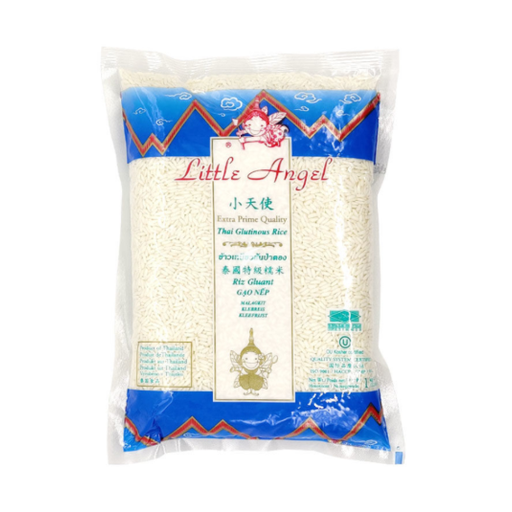
Why This Fits Their Persona: This is for the person who wants to create authentic Southeast Asian dishes from scratch. It provides the perfect raw material for a flawless mango sticky rice or a savoury side, giving them full control over the final dish.
This is clearly labelled Thai Glutinous Rice, ensuring you get the correct grain type for authentic texture, avoiding the "sticky vs. glutinous" mix-up.
Premium quality from Thailand ensures superior texture and flavour. It's a versatile staple for both sweet and savoury recipes.
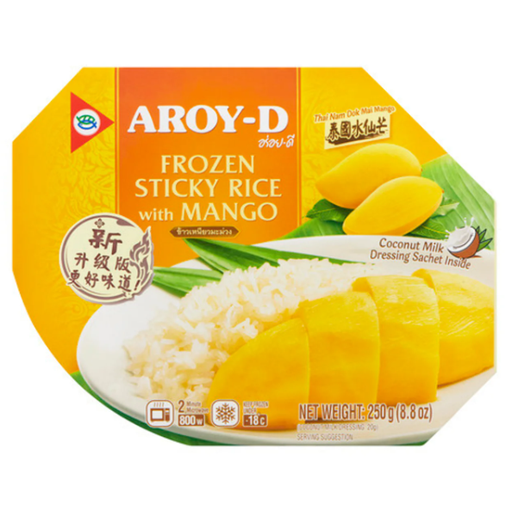
Why This Fits Their Persona: For anyone in the UK craving an authentic Thai dessert without the fuss. This is a complete, ready-to-eat treat that delivers restaurant-quality flavour straight from the freezer.
This product completely bypasses the "wrong format" and "convenience" pitfalls. It's a finished dessert, requiring no cooking knowledge or preparation time.
Zero effort required—simply thaw and serve. It includes high-quality components like sweet Namdokmai mango and rich coconut cream.
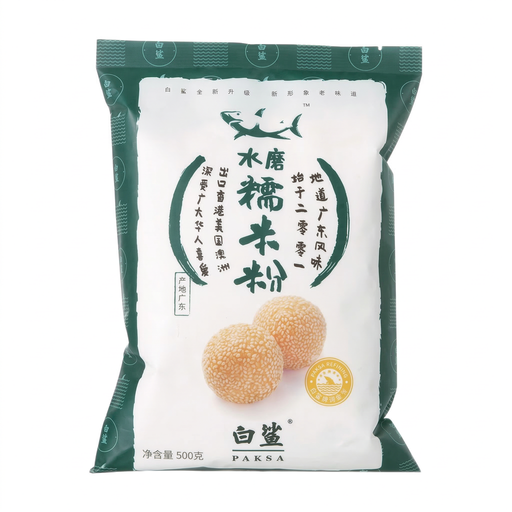
Why This Fits Their Persona: This is the essential pantry staple for anyone making mochi, rice cakes, or chewy dumplings. The fine, smooth texture from the wet-milling process is highly valued for creating delicate desserts.
It directly solves the "wrong format" problem by providing the correct milled flour needed for baking and pastry-making, not whole grains.
The water-milling process yields an exceptionally fine flour, which produces a smoother, more elastic and non-sticky texture in finished goods.
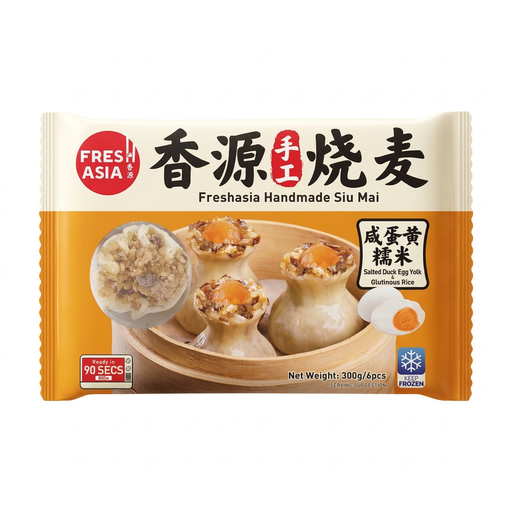
Why This Fits Their Persona: This is perfect for those who love savoury dim sum. It offers a complex, umami-rich flavour profile with seasoned glutinous rice and salted duck egg yolk, ready to be steamed for a quick, satisfying meal.
As a convenient, ready-to-cook product, it eliminates the need to source multiple ingredients or master the difficult technique of making sticky rice dumplings from scratch.
Features an authentic Cantonese recipe with a generous filling of glutinous rice and rich salted egg yolk. It's ready to steam from frozen in under 20 minutes.
We have compiled a complete, real-time list of products that fully satisfy these strict selection criteria and UK safety regulations.
1. Does glutinous rice contain gluten? No, it does not. The name "glutinous" refers to the glue-like, sticky texture of the rice when it is cooked, not the protein gluten found in wheat, barley and rye. Glutinous rice is naturally gluten-free and is a suitable option for those with coeliac disease or gluten sensitivity.
2. Is glutinous rice the same as sushi rice? They are not the same. While both are types of short-grain rice that are sticky, they have different starch compositions. Glutinous rice has a very high amount of amylopectin starch, which makes it extremely sticky, chewy and translucent when cooked. Sushi rice has a balance of amylopectin and amylose, making it sticky enough to hold its shape but allowing the grains to remain more distinct. They are not interchangeable in recipes.
3. Do I really have to soak glutinous rice before cooking? For raw, whole-grain glutinous rice, yes. Soaking is a non-negotiable step. It allows the grains to absorb water evenly, which is essential for achieving the signature chewy and tender texture. If you try to boil it directly like regular rice, the outside will turn to mush while the inside remains hard. For the correct texture, rinse the rice, then soak it in water for at least four hours or overnight before steaming.