
24/7 Customer Support

Free returns

Same-day & Next-day Delivery

Quality Guaranteed

Unlock Your Welcome Offers: FREE Delivery | Up to 80% OFF | Free 30-day JoyPlus trial
Download the APP
Gochujang chilli paste is a versatile Korean cooking ingredient, but not every red bottle or tub serves the same purpose. Some products are traditional fermented pastes, while others are ready-made Korean chilli sauces blended with vinegar, tomato, mayonnaise or extra sweeteners.
That difference matters. Choosing the wrong type can leave you with a sauce that is too sweet for bibimbap, too thin for marinades or unsuitable for your dietary requirements. This guide explains what to check before buying, with practical recommendations for UK home cooks.
Traditional gochujang is a thick, savoury-sweet fermented Korean hot pepper paste. It commonly includes chilli powder, rice or rice flour, fermented soybean and salt. It is designed to be mixed into recipes or diluted into a sauce.
A Korean chilli sauce may already contain vinegar, tomato, sugar, mayonnaise or additional seasonings. These products can be convenient for dipping and drizzling, but their flavour and texture may not work in every Korean recipe.
For example, a gochujang ketchup is more immediately suitable for chips, burgers or fried foods, whereas a Korean hot pepper paste is more appropriate as a base for tteokbokki sauce, stews and marinades.
Gochujang has a broad range of flavour profiles. Some versions offer moderate warmth with noticeable sweetness, while others have a stronger chilli presence. Marketing descriptions do not always provide a consistent heat scale, so check the ingredient list and intended use.
Products containing around 11% chilli powder, such as several traditional-style pastes in this selection, may provide colour, savoury depth and moderate heat rather than an intense chilli burn. If you prefer a milder result, mix the paste with sesame oil, soy sauce, vinegar, mayonnaise or yoghurt.
Many gochujang products contain soya and wheat or other gluten-containing cereals. Some also contain mustard, sesame or other possible traces. Always read the current UK packaging, particularly if you have a food allergy or are preparing food for someone else.
Pack size also affects value. A 100g or 135g tub is useful for trying a recipe, while a 500g or 1kg pack makes more sense for regular bibimbap, stir-fries and Korean barbecue marinades. Large packs require suitable refrigerator space after opening and careful utensil hygiene.
Look for references to fermented rice, fermented soybean or fermented soybean paste if you want the deeper umami associated with fermented Korean chilli paste. However, a product described as gochujang sauce may contain only a proportion of gochujang alongside other ingredients.
Check whether the product is a paste, seasoned paste or pourable sauce:
Nutrition panels can help you compare products objectively. Several listed pastes contain approximately 200–233 kcal per 100g, while sugar and salt levels vary considerably. For instance, the O'Food Original 300g product lists 31g of sugars and 6.4g of salt per 100g. The Sempio Seasoned Gochujang lists 25g of sugars and 4.2g of salt per 100g.
These figures do not determine flavour on their own, but they help you decide how much additional sugar, honey, soy sauce or salt your recipe may need.
Before opening, many products can be stored in a cool, dry place away from direct sunlight. After opening, refrigeration is commonly recommended. Use a clean, dry spoon and follow the manufacturer’s stated timeframe.
A small amount of surface darkening can occur with fermented products, but discard the product if the packaging is damaged or you notice unusual mould or an off odour. Always follow the label supplied with your purchase.
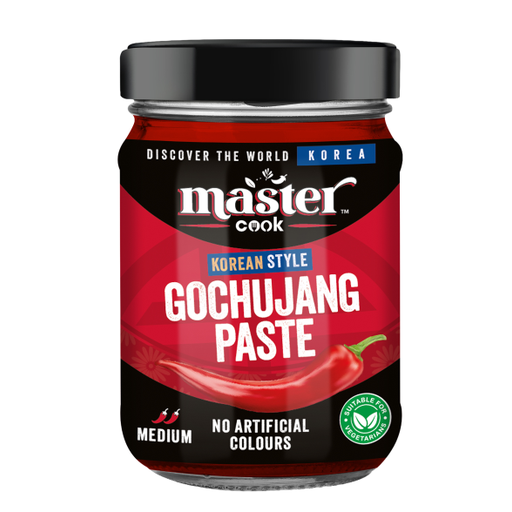
Why This Fits Their Persona: The 135g format allows first-time buyers to explore Korean cooking without committing to a large tub. It suits occasional bibimbap, noodle and stir-fry recipes in a typical UK kitchen.
Its smaller pack helps avoid waste if you are unsure how often you will use fermented Korean chilli paste.
Compact 135g size; suitable for experimenting with sauces, marinades and Korean-inspired meals.
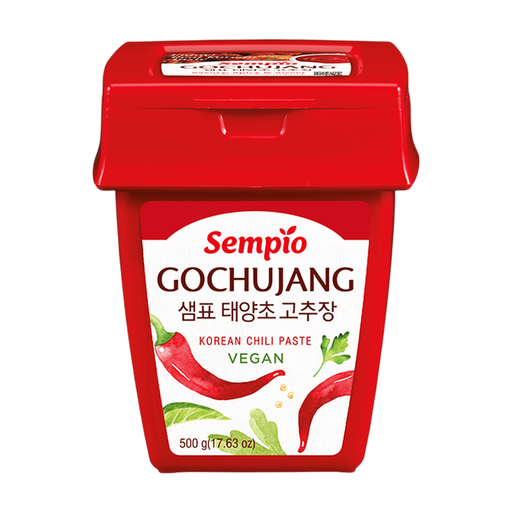
Why This Fits Their Persona: This 500g paste is made in South Korea and lists fermented rice paste, fermented soybean paste and 11.3% chilli powder. It suits cooks who want a substantial pantry ingredient for classic Korean recipes.
The ingredient list clearly identifies fermented rice and soybean components, helping distinguish a cooking paste from a generic chilli sauce.
500g quantity; made in South Korea; suitable for bibimbap, tteokbokki, stews and meat marinades.
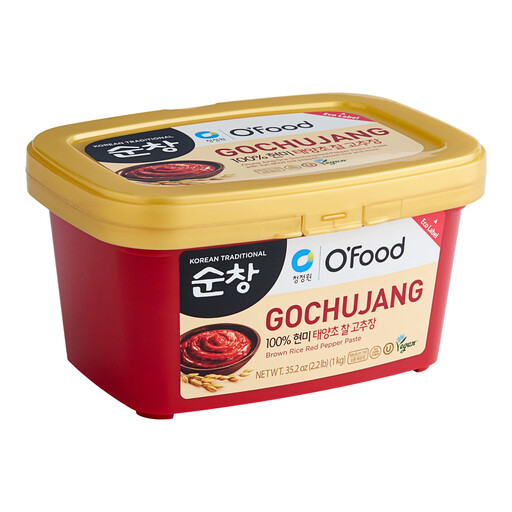
Why This Fits Their Persona: The 1kg pack is suited to frequent home cooks, shared households and food-service-style preparation involving marinades, stews, stir-fries and dipping sauces.
The large format is appropriate only when usage is regular, reducing the risk of repeatedly buying small packs for batch cooking.
1kg quantity; listed at 11.5% red pepper powder; suitable for frequent Korean and fusion cooking.
For a quick bibimbap sauce, mix gochujang with sesame oil, rice vinegar and a small amount of sugar or honey. Add water gradually until it reaches a pourable consistency.
For tteokbokki sauce, combine the paste with stock or water, soy sauce and sugar before simmering with rice cakes. For marinades, blend it with garlic, ginger, soy sauce and sesame oil. Start with a small quantity because the paste contributes colour, sweetness, salt and chilli heat at the same time.
If you prefer a ready-to-use condiment, consider products such as seasoned gochujang, Korean gochujang ketchup or a gochujang mayonnaise. These are convenient for dipping, drizzling and sandwiches but may not deliver the same concentrated paste texture.
We have compiled a complete, real-time list of products that fully satisfy these strict selection criteria and UK safety regulations.
Not always. Gochujang is generally a thick fermented Korean red pepper paste. Korean chilli sauce is a broader category that may include gochujang alongside vinegar, tomato, mayonnaise or other ingredients. Check the product label and texture before buying.
Storage periods vary by product. Most should be refrigerated after opening and used within the timeframe printed on the packaging. Keep the lid tightly closed and use clean utensils to limit contamination.
Do not assume that it is. Several products contain wheat flour, wheat extract, barley or other gluten-containing cereals. Some products may also carry cross-contact warnings. Read the current allergen statement carefully before purchase.