
24/7 Customer Support

Free returns

Same-day & Next-day Delivery

Quality Guaranteed

Unlock Your Welcome Offers: FREE Delivery | Up to 80% OFF | Free 30-day JoyPlus trial
Download the APP
Korean gochujang chilli paste adds heat, sweetness and fermented umami to everyday cooking. It can transform bibimbap, tteokbokki, noodle dishes, stews and Korean BBQ marinades, but not every product labelled “gochujang” is interchangeable.
The main buying mistakes usually come from overlooking texture, seasoning and pack size. A concentrated cooking paste may need balancing with soy sauce, sesame oil or vinegar, while a seasoned gochujang sauce may be ready to spoon directly over rice. Some products are also fusion sauces rather than traditional Korean red pepper paste, which matters if you are trying to recreate a specific dish.
Traditional fermented chilli paste is usually designed to be mixed into recipes. It can be thick, salty and intensely flavoured. A seasoned product for bibimbap or stir-fries may contain additional sugar, flavourings or other seasonings, making it more convenient but less flexible for recipes where you want to control the final taste.
The term Korean chilli paste does not specify one fixed heat level. Formulas vary in chilli percentage, sugar or syrup content, salt level and fermentation ingredients. Check the ingredient list and nutrition panel rather than relying only on front-of-pack descriptions.
A 1kg tub or multi-pack can offer practical value for restaurants, catering businesses and frequent home cooks. For occasional use, however, a smaller 100g–300g pack may reduce waste and make post-opening storage easier. Always check the storage instructions, best-before information and recommended use after opening.
A conventional fermented chilli paste commonly includes red chilli powder, rice or glutinous rice, fermented soybeans and salt. These ingredients create the characteristic savoury, sweet and spicy profile associated with an authentic Korean condiment.
Look for the product’s full ingredients rather than relying on terms such as “traditional” or “premium”. Some sauces combine gochujang with tomato, vinegar or sriracha. These may work well as dipping sauces, but they will produce a different result from a Korean cooking paste.
A dense paste is suitable for mixing into bibimbap sauce, tteokbokki sauce, stews and Korean BBQ marinades. A thinner bottle sauce is easier to drizzle over chips, dumplings, burgers or noodles. Seasoned gochujang products can be convenient for quick meals because they are formulated for direct use.
For a marinade, dissolve the paste with ingredients such as soy sauce, garlic, ginger, sesame oil and a little sugar or syrup. For dipping, thin it with rice vinegar, water or sesame oil according to taste.
Many gochujang products contain soybeans and cereals containing gluten, often from wheat, barley or malt. Check the current packaging for allergen declarations before purchasing, particularly if cooking for guests.
Dietary claims should also be checked product by product. For example, Sempio Gochujang 500g is described as vegan and halal in the supplied product information, while other products may contain wheat, mustard or sesame. A sauce being Korean-style does not automatically make it vegan, halal or gluten-free.
For a student kitchen or first purchase, a small tub or tube is easier to manage. Larger 500g packs suit regular home cooking, while a 1kg pack or multi-pack is more appropriate for high-volume use.
Most products should be stored in a cool, dry place before opening and refrigerated afterwards. Use a clean, dry utensil, keep the container tightly sealed and follow the label’s guidance. Colour changes can occur during fermentation, but discard products showing unusual mould, damaged packaging or an off odour.
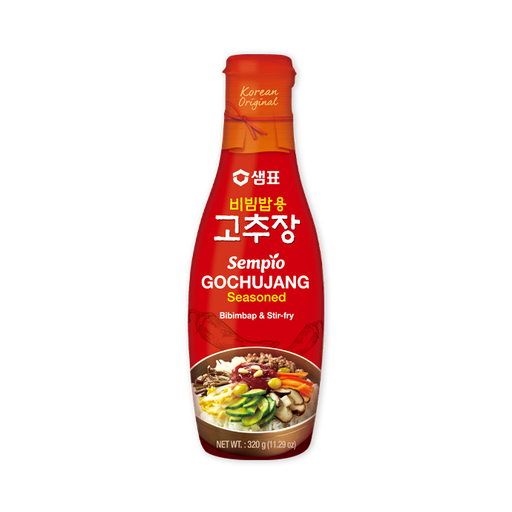
Why This Fits Their Persona: The 100g format gives UK shoppers a manageable introduction to gochujang without committing to a large tub. It is specifically seasoned for bibimbap and stir-fries.
Its intended uses are clearly stated, helping beginners avoid treating a concentrated paste as a finished dipping sauce.
Ready to eat, suitable for bibimbap and stir-fries, with a compact 100g net quantity.
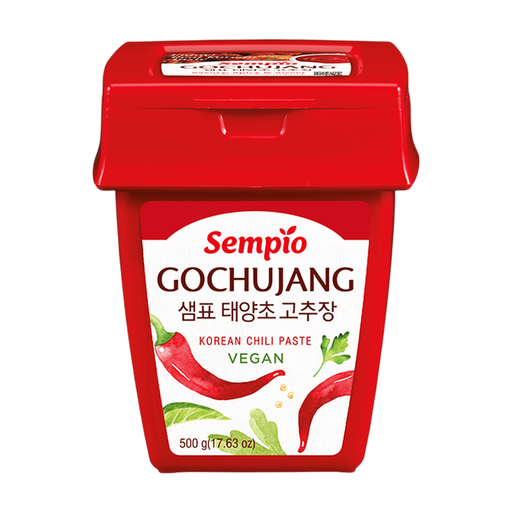
Why This Fits Their Persona: A 500g Korean-made tub suits cooks who want one versatile fermented chilli paste for traditional recipes and regular meal preparation.
The ingredient list identifies fermented rice paste, chilli powder and fermented soybean paste, rather than presenting a generic chilli sauce as gochujang.
Made in Korea; described as vegan and halal; suitable for marinades, soups, stews, bibimbap and tteokbokki.
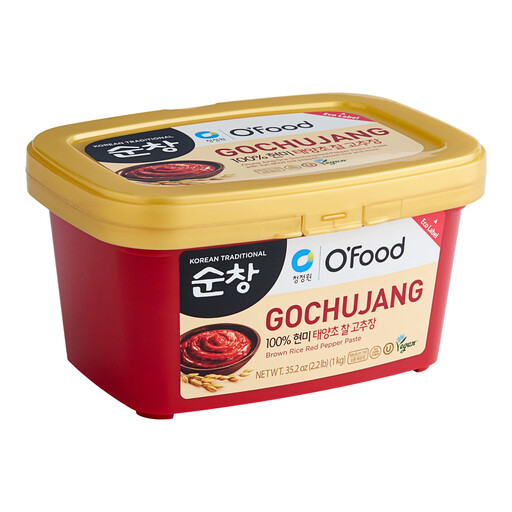
Why This Fits Their Persona: The 1kg size is suited to restaurants, caterers, large households and frequent cooks who use gochujang cooking paste across multiple recipes.
The bulk format is appropriate for high usage, rather than an occasional buyer who may struggle to finish a large tub after opening.
1kg quantity; described as vegan; suitable for sauces, marinades, stews and stir-fries.
We have compiled a complete, real-time list of products that fully satisfy these strict selection criteria and UK safety regulations.
Not always. Gochujang is generally a fermented Korean red pepper paste, while Korean chilli sauce may be a thinner, seasoned or fusion product. Check the ingredients, texture and intended use before choosing.
Follow the product label. Many tubs can be stored in a cool, dry place before opening and should be refrigerated afterwards. Use clean utensils and keep the lid tightly closed to help maintain quality.
Some products are labelled vegan or halal, but this should be verified for each item. Check the packaging for certification and review allergens such as soy, wheat, barley, mustard and sesame before purchase.