
24/7 Customer Support

Free returns

Same-day & Next-day Delivery

Quality Guaranteed

Unlock Your Welcome Offers: FREE Delivery | Up to 80% OFF | Free 30-day JoyPlus trial
Download the APP
Gochujang Korean chilli paste is a useful cupboard staple for bibimbap, tteokbokki, Korean BBQ marinades, stir-fries, soups and dipping sauces. However, not every red sauce labelled “gochujang” serves the same purpose. Some are traditional fermented pastes, while others are ready-made Korean chilli sauces with added vinegar, sugar or flavourings.
Before buying, UK shoppers should look beyond the front label. The following guide explains the practical details that affect flavour, dietary suitability, storage and value for money.
Traditional Korean red pepper paste is thick and concentrated. It is designed to be mixed into recipes or combined with ingredients such as sesame oil, rice vinegar, garlic or soy sauce.
A Korean chilli sauce may be thinner and ready to use straight from the bottle. It can be convenient for dipping or drizzling, but its flavour may be sweeter, tangier or less concentrated than a Korean hot pepper paste. Check whether the product is described as gochujang paste, seasoned gochujang or gochujang sauce before purchasing.
Many gochujang products contain soya and wheat, often from fermented soybean paste, wheat flour or malt. Some may also contain sesame, mustard or other allergens through shared production facilities.
Vegan and halal shoppers should look for a clearly stated certification or dietary declaration, then check the current packaging. Product formulations and labelling can change, so online descriptions should not replace the ingredient list.
A 1kg tub can offer practical value for frequent cooks, catering kitchens or large households. For occasional use, a 100g, 135g, 170g or 300g pack may be easier to finish while maintaining freshness.
Most products should be refrigerated after opening. Always follow the storage instructions on the label and use clean utensils to reduce contamination.
A conventional fermented chilli paste commonly includes red chilli powder, rice or glutinous rice, fermented soybeans, salt and sweetening ingredients. Fermentation contributes savoury depth and a thicker texture, making the paste suitable for stews, marinades and bibimbap sauce.
The chilli percentage can also help indicate how prominent the pepper flavour may be. For example, the listed products include chilli powder levels ranging from around 6% to more than 11%. This figure should be considered alongside sugar, rice, salt and seasoning ingredients rather than viewed in isolation.
Choose a thick paste when you want to control the final sauce yourself. It can be loosened with water, sesame oil, vinegar, soy sauce or stock.
A seasoned gochujang product is more convenient for bibimbap and stir-fries because it is already blended for direct use. A bottled Korean chilli sauce may be more suitable for dipping, glazing, noodles, burgers or fried foods.
Read the ingredients and allergen statement carefully. Common points to check include:
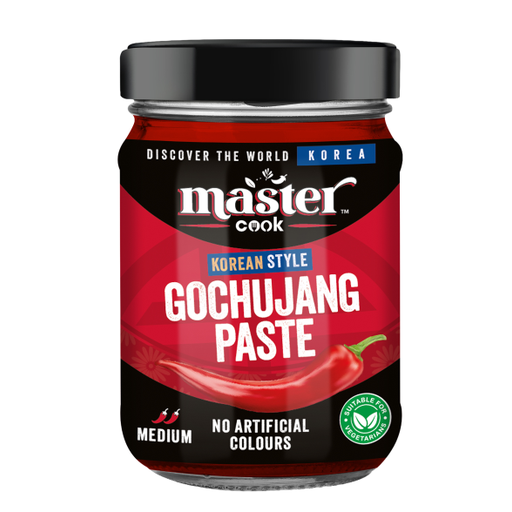
Why This Fits Their Persona: A compact size suits first-time buyers and UK cooks who want to try Korean recipes without committing to a large tub.
The 135g format limits waste compared with a bulk pack when gochujang is used occasionally.
Small, easy-to-store size; suitable for testing bibimbap sauce, marinades and stir-fries.
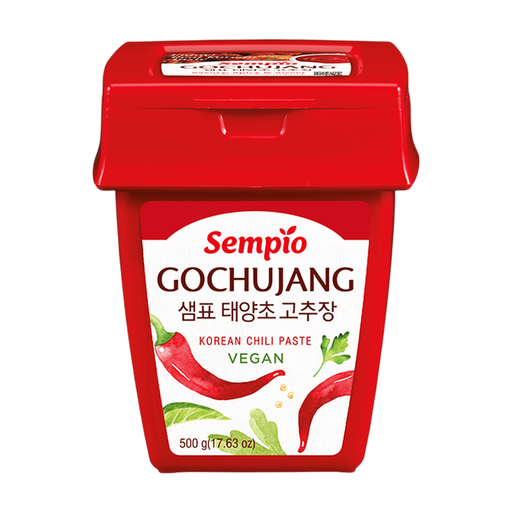
Why This Fits Their Persona: A 500g Korean chilli paste is practical for cooks who regularly prepare traditional dishes and want a versatile fermented base.
The product description identifies fermented rice, fermented soybean paste and 11.3% chilli powder, rather than presenting it simply as a generic hot sauce.
Listed as vegan and halal; suitable for bibimbap, tteokbokki, soups, stews and Korean BBQ marinades.
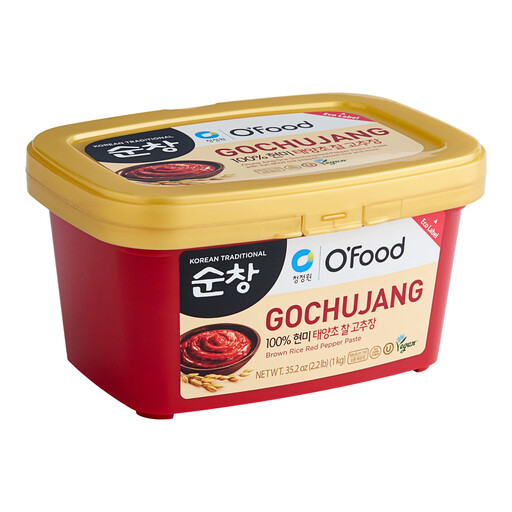
Why This Fits Their Persona: The 1kg format is designed for frequent home cooking, meal preparation and food-service use.
Its large capacity is appropriate when gochujang is used often, avoiding repeated purchases of small containers.
Vegan product listing; concentrated paste for marinades, stews, stir-fries and dipping sauces.
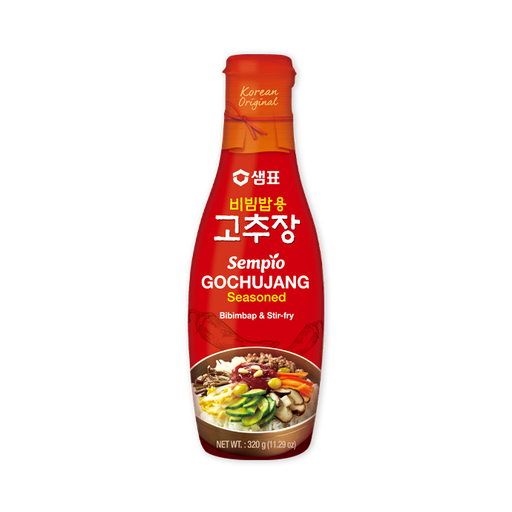
Why This Fits Their Persona: This small seasoned paste is intended for direct use in bibimbap and stir-fries, helping simplify weekday cooking.
It is specifically seasoned for bibimbap and stir-fries, rather than requiring several additional ingredients to create a usable sauce.
Ready to eat; 100g format; can be diluted with water, sesame oil or soy sauce for stir-fry recipes.
We have compiled a complete, real-time list of products that fully satisfy these strict selection criteria and UK safety regulations.
Heat varies by product and recipe. Gochujang generally combines chilli warmth with sweetness, salt and savoury fermented flavours. Start with a small spoonful, then dilute with stock, water, sesame oil or other sauce ingredients if needed.
Follow the product label. Many tubs should be refrigerated after opening and kept tightly sealed. Use a clean, dry utensil and check for changes in odour, texture or mould before use. The stated usage period varies between products.
Yes. Traditional paste can be mixed with sesame oil, rice vinegar, sugar, garlic or soy sauce to create a bibimbap sauce. A seasoned gochujang product may be used directly, while a ready-made Korean chilli sauce can provide a sweeter or tangier alternative. Always check allergen information before serving.