
24/7 Customer Support

Free returns

Same-day & Next-day Delivery

Quality Guaranteed

Unlock Your Welcome Offers: FREE Delivery | Up to 80% OFF | Free 30-day JoyPlus trial
Download the APP
By Joybuy Product Recommendation Officer
Shopping for gochujang Korean chilli paste in the UK can be surprisingly complicated. Similar-looking tubs and bottles may contain very different levels of chilli, sugar, salt, fermentation ingredients and allergens. Some products are traditional Korean cooking pastes, while others are ready-made sauces inspired by gochujang.
Before choosing a tub for bibimbap, tteokbokki or Korean BBQ, check what you are actually buying. A lower-priced product may be useful for occasional meals, while a larger Korean red pepper paste can offer better practicality for frequent cooking. The right option depends on your recipes, dietary requirements, storage space and expected usage.
Traditional Korean hot pepper paste is thick and concentrated. It is normally mixed into recipes, marinades, stews or dipping sauces. A gochujang sauce, meanwhile, may already contain vinegar, tomato, water or extra seasoning and may be designed for drizzling or dipping.
For example, Ofood Korean Gochujang Ketchup contains tomato paste and vinegar, making it different from a conventional fermented chilli paste. Flying Goose Sriracha Gochujang Chilli Sauce combines gochujang-style flavour with Thai sriracha. These may be convenient, but they are not direct substitutes for a traditional cooking paste in every recipe.
Descriptions such as “traditional”, “fermented” or “authentic gochujang” do not tell you the exact heat level or sweetness. Check the ingredients and intended use instead. Products may list chilli powder at around 6% to 11.5%, while sugar, syrup or malt ingredients can also vary considerably.
A paste with a deeper fermented soybean and rice profile may suit stews and marinades. A sweeter, thinner sauce may work better with chips, burgers, dumplings or quick dipping.
Many gochujang products contain soya and wheat or gluten, even when the front label focuses on chilli and fermentation. Some products may be labelled vegan or halal, but the wording and certification can vary. Always read the current UK packaging before purchase, particularly if cooking for guests, catering customers or anyone with food allergies.
Choose a standard Korean cooking paste if you want flexibility. It can become a bibimbap sauce, tteokbokki sauce, Korean marinade or stir-fry base by mixing it with ingredients such as sesame oil, soy sauce, vinegar, garlic or sugar.
A seasoned gochujang, such as Sempio Seasoned Gochujang Bibimbab & Stir-Fry, is already blended for specific dishes. This can reduce preparation time, but gives you less control over the final flavour. Bottled Korean chilli sauce is usually the most convenient for dipping and drizzling, though it may be less concentrated.
Pack size should match how often you cook Korean food. A 135g to 170g tub is practical for first-time buyers or smaller households. A 300g or 500g container suits regular home cooking, while gochujang 500g packs are useful for repeated bibimbap, marinades and stews.
For restaurants, caterers and frequent home cooks, a 1kg fermented chilli paste may reduce repurchasing and packaging waste. However, opened paste generally needs refrigeration, so a large pack is only economical if you can use it within the recommended period.
Look for red chilli powder, rice or glutinous rice, fermented soybean paste and salt if you want a conventional gochujang profile. Ingredient order matters: items listed earlier are present in greater quantities.
Most products should be stored in a cool, dry place before opening and refrigerated afterwards. Use clean utensils and follow the best-before or use guidance on the packaging. Fermentation can naturally affect colour and flavour over time, but discard a product with an off-odour, damaged seal or unusual mould.
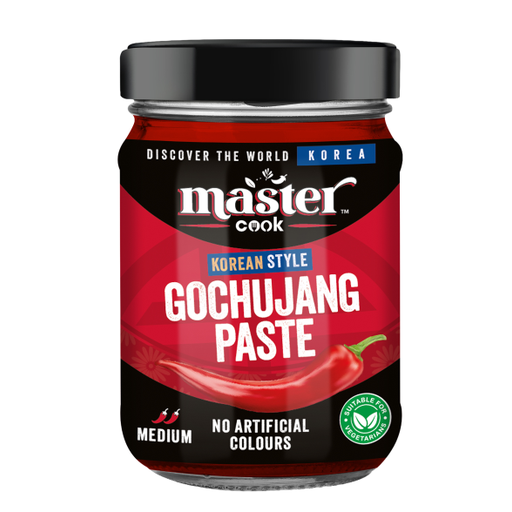
Why This Fits Their Persona: The compact 135g format lets new cooks try Korean cooking paste without committing to a large container. It suits occasional bibimbap, noodles and stir-fries in smaller UK households.
The smaller pack helps avoid waste when you are still deciding how often you will use gochujang.
Compact 135g size; suitable for testing recipes and portion-controlled use.
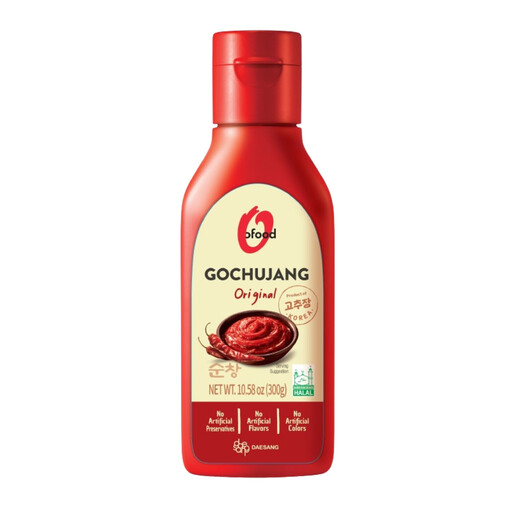
Why This Fits Their Persona: This 300g paste is positioned for everyday cooking and is listed as halal, making it a practical option for shoppers seeking a Korean chilli paste with a specific dietary format.
The product information identifies wheat and mustard allergens, so shoppers can check suitability rather than relying only on the front label.
300g format; listed halal; suitable for dips, marinades, bibimbap and stir-fries.
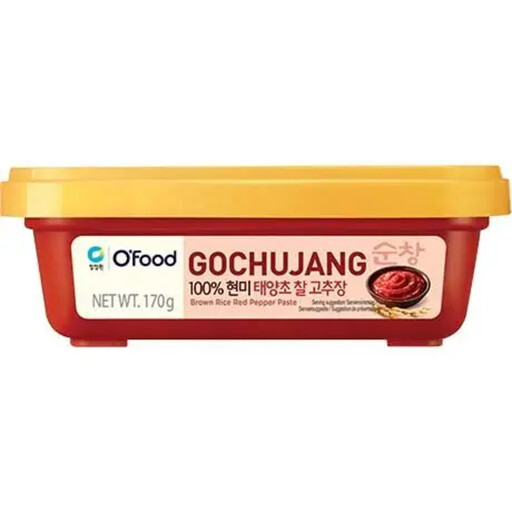
Why This Fits Their Persona: The 1kg pack is designed for high-volume use, including food service, repeated meal preparation and households that cook Korean dishes several times a week.
The bulk size avoids repeatedly buying small tubs, but buyers should confirm they have enough refrigerated storage after opening.
1kg quantity; listed vegan; suitable for marinades, stews, stir-fries and food-service portions.
Other useful formats include Chung Jung One Gochujang Hot Red Pepper Paste 500g, which is listed as made in South Korea and contains fermented soybean paste, rice and red pepper ingredients. Sempio Gochujang Korean Chili Paste 500g is listed as vegan and halal, although it contains soya and wheat, so the allergen panel remains important.
For a prepared option, Sempio Seasoned Gochujang Bibimbab & Stir-Fry 100g is formulated for direct use in bibimbap and stir-fries. If you want a milder, tangier fusion condiment, the Flying Goose Sriracha Gochujang Chilli Sauce is available in 200ml and 455ml bottles and includes soya and sesame.
We have compiled a complete, real-time list of products that fully satisfy these strict selection criteria and UK safety regulations.
Start with one tablespoon in bibimbap, noodle dishes, stews or stir-fries, then adjust to taste. For a bibimbap sauce, mix it with sesame oil and a small amount of water. For a Korean marinade, combine it with soy sauce, garlic, ginger and a sweetener.
Before opening, follow the storage instructions on the packaging. Most tubs should be refrigerated after opening and kept tightly sealed. Always use clean, dry utensils and follow the product’s recommended consumption period.
Some products are listed as vegan or halal, but recipes differ. Check the current packaging for certification, soya, wheat, alcohol and other allergen information before buying or serving.