
24/7 Customer Support

Free returns

Same-day & Next-day Delivery

Quality Guaranteed

Unlock Your Welcome Offers: FREE Delivery | Up to 80% OFF | Free 30-day JoyPlus trial
Download the APP
Gochujang paste can add heat, sweetness and savoury depth to a meal with just a small spoonful. However, not every Korean chilli paste or gochujang sauce is interchangeable. Some products are traditional fermented pastes, while others are ready-to-use sauces blended with vinegar, garlic or extra sugar.
For UK shoppers, the main buying pitfalls are usually confusing a cooking paste with a table sauce, overlooking allergens and purchasing a large tub that loses quality before it is used. This guide explains what to check and matches different products to practical shopping needs.
The terms Korean chilli paste, Korean red pepper paste and Korean hot pepper paste are often used for products with different textures and recipes. Traditional gochujang is generally a thick, fermented condiment made with ingredients such as chilli powder, rice or glutinous rice, fermented soya beans and salt.
A bottle labelled gochujang sauce may be thinner and more immediately suitable for dipping. For example, a sriracha-gochujang blend offers a sharper, more pourable profile, but it is not the same product as a classic fermented cooking paste.
Many gochujang products contain soya and wheat or other cereals containing gluten. Some may also contain sesame, mustard or other ingredients handled in shared facilities. Always read the current UK packaging, particularly if you need halal gochujang, vegan gochujang or a product suitable for an allergy-sensitive household.
A product described as vegetarian or plant-based should still be checked against the latest label. Recipes and manufacturing information can change.
A 500g tub or 1kg pack can offer practical value for regular cooking, restaurants and food service buyers. For occasional users, however, a smaller 135g, 170g or 300g pack may reduce waste. Once opened, most products should be refrigerated and used within the period stated on the label.
For a traditional flavour, look for a paste containing fermented rice, glutinous rice or fermented soybean paste, alongside red chilli powder. Fermentation contributes savoury depth and a rounded flavour, rather than heat alone.
Check the ingredient order as well. A product with a high proportion of syrup or sugar may taste noticeably sweeter. This is not necessarily unsuitable, but it may work better in marinades, burgers or dipping sauces than in a delicate soup.
A thick paste is useful for gochujang for bibimbap, tteokbokki, marinades and stews because it can be loosened with sesame oil, soy sauce, vinegar or water. A pourable gochujang sauce is convenient for drizzling over noodles, rice bowls, dumplings and fried food.
For gochujang for tteokbokki, choose a paste that can be stirred into stock or water without creating lumps. For dipping or finishing, a ready-made gochujang sauce may be more convenient.
Compare pack sizes according to how often you cook Korean food:
Salt and sugar levels vary considerably. The supplied product information shows examples ranging from approximately 26g to 46g of sugars per 100g, while salt values also differ between products. Use the nutrition panel to compare products rather than relying on packaging descriptions alone.
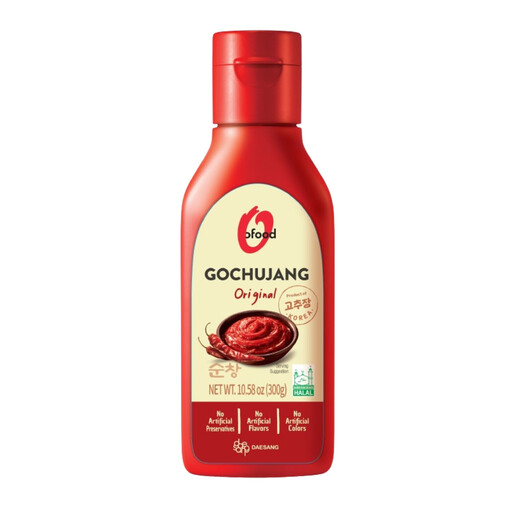
Why This Fits Their Persona: The 300g tube is a manageable starting size for UK home cooks trying bibimbap, marinades or stir-fries without committing to a large tub. The product information identifies it as halal.
Its moderate pack size helps limit waste, while the label clearly lists wheat and mustard allergens for checking before purchase.
Tube format; suitable for marinades, dips and cooking sauces; listed as halal.
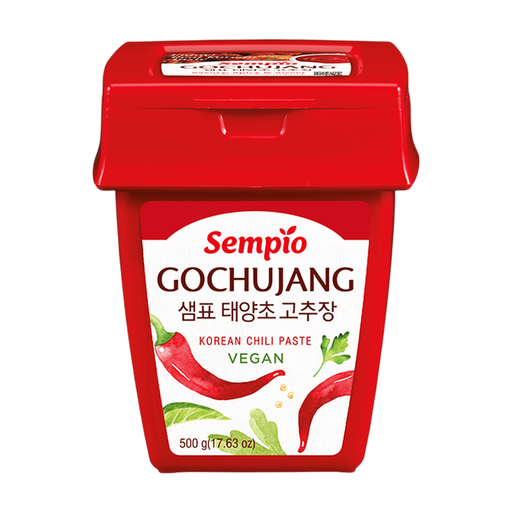
Why This Fits Their Persona: A 500g Korean-made paste suits shoppers seeking a traditional-style pantry staple for regular home cooking, including bulgogi, kimchi jjigae and bibimbap.
The listed ingredients include fermented rice paste, fermented soybean paste and chilli powder, helping distinguish it from a simple sweet chilli sauce.
500g format; listed as vegan and halal; suitable for sauces, dips, stews and marinades.
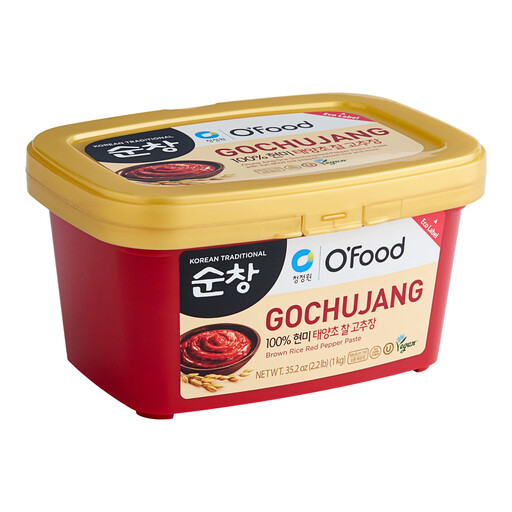
Why This Fits Their Persona: The 1kg size is designed for frequent Korean cooking, professional kitchens, catering or households that use fermented chilli paste several times a week.
The large format makes sense when consumption is high, rather than paying repeatedly for several small tubs. Refrigeration after opening remains important.
1kg quantity; listed as vegan; suitable for food service use and repeated cooking.
We have compiled a complete, real-time list of products that fully satisfy these strict selection criteria and UK safety regulations.
Start with one tablespoon, then adjust to taste. Mix it with sesame oil and vinegar for a bibimbap dressing, or combine it with soy sauce, garlic and ginger for a Korean-style marinade. Stir it into a tteokbokki sauce, noodle dish, soup or vegetable stir-fry.
For a milder dip, thin the paste with mayonnaise, yoghurt or additional vinegar. Remember that gochujang contributes salt as well as heat, so taste the dish before adding extra seasoning.
Heat varies by recipe and brand. Gochujang usually combines chilli heat with sweetness and umami, so it may taste rounder than a straightforward hot pepper sauce. Start with a small amount, particularly when using it in an uncooked dip.
Storage guidance differs. Most products should be refrigerated after opening, with some labels advising use within a specific number of weeks or months. Keep the lid tightly closed, use a clean utensil and follow the date and instructions on the current packaging.
Usually, but the texture and concentration may differ. A thick paste may need loosening with water, vinegar, sesame oil or another liquid. A ready-made gochujang sauce can be used directly as a dip or drizzle, but check its ingredients if you need authentic Korean gochujang, halal or vegan options.