
24/7 Customer Support

Free returns

Same-day & Next-day Delivery

Quality Guaranteed

Unlock Your Welcome Offers: FREE Delivery | Up to 80% OFF | Free 30-day JoyPlus trial
Download the APP
Goji berries are a practical ingredient for tea, soup, porridge and Chinese-style home cooking. In UK shops, however, the category includes dried wolfberries, Ningxia goji berries, fruit drinks, purée pouches and blended cereals. The format, ingredient list and serving convenience can make a bigger difference than attractive packaging.
This guide from the Joybuy Product Recommendation Officer explains what to check before buying, which marketing details deserve caution and which products may suit different shopping habits.
A bottle labelled as a goji berry drink may contain only a small percentage of goji berry alongside water, sugar, tea or other fruit ingredients. For example, one 410ml hawthorn, goji berry and chrysanthemum drink contains 1% goji berry and 9.4g of sugar per 100ml. This is a ready-to-drink refreshment rather than an equivalent substitute for dried goji berries.
Always check the quantitative ingredient declaration and nutrition panel rather than relying on words such as “fruit”, “refreshing” or “natural”.
Descriptions such as “premium goji berries” can refer to origin, appearance or pack positioning, but they do not replace measurable information. Look for the net weight, ingredient percentage, country of origin, storage instructions and use guidance.
A 250g pack may offer better practicality for frequent cooking, while an 80g or 100g pack can reduce waste when you are trying Chinese ingredients for the first time.
Dried fruit naturally contributes carbohydrate, while goji berry drinks may also contain sugar, fruit concentrates or sweeteners. Compare products per 100g or 100ml, not just per pouch or bottle. Also check whether a cereal or soup mix contains a small proportion of goji berry powder alongside starch, sugar, grains or creamer.
For shoppers seeking low-sugar goji drinks, the ingredient list and “of which sugars” figure are more useful than front-of-pack wellness language.
For a straightforward dried ingredient, look for a short declaration such as goji berries 100%. Dried goji berries and wolfberries can usually be eaten as supplied or added to cooking, depending on the packaging instructions. Some products state that cooking is required, so follow the label rather than assuming every pack is ready to eat.
Goji berry purée and goji berry juice offer a different experience. A 30ml pouch is portable and ready to consume, but it is a single-use format with a short consumption window after opening. This can be convenient for work, travel or packed lunches, but less economical for making several cups of tea or a large pot of soup.
Choose pack size according to realistic use:
Dried products should generally be kept in a cool, dry place away from direct sunlight. Once opened, reseal the pack or transfer it to an airtight container if instructed. Moisture can affect texture and shelf life.
Use the UK nutrition panel to compare energy, carbohydrate, sugars, protein and salt. A product containing only goji berries may still be relatively energy-dense because it is dried fruit. Drinks can appear light but may contain added sugar or concentrated fruit.
Check allergen information when buying blends. A seed-and-goji mixture, for example, may contain or be made in an environment handling sesame, mustard, nuts or soya. Cereal products may include wheat, oats, soya and milk. These details matter more than general claims about “wellness” or “nourishment”.
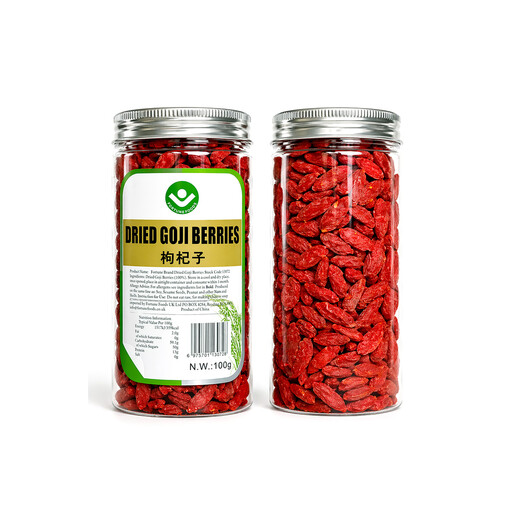
Why This Fits Their Persona: A manageable 100g pack suits UK shoppers who want to try dried goji berries in tea, porridge, soups or desserts without committing to a larger quantity.
The product lists dried goji berries at 100% with no additives or preservatives, making it easier to compare with flavoured drinks and blended products.
100g net weight; suitable for tea, soup, porridge, desserts and stews; can be soaked for 5–10 minutes.
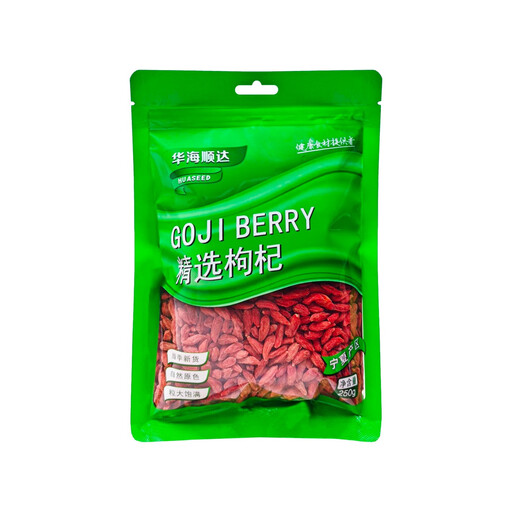
Why This Fits Their Persona: The larger pack is suited to shoppers who regularly prepare Chinese soups, teas or porridge and prefer to keep one ingredient available at home.
The pack states Ningxia origin and lists goji berries as the only ingredient, so buyers can assess provenance and purity directly.
250g net weight; 100% goji berries; listed for tea, porridge, soup and wine preparation.
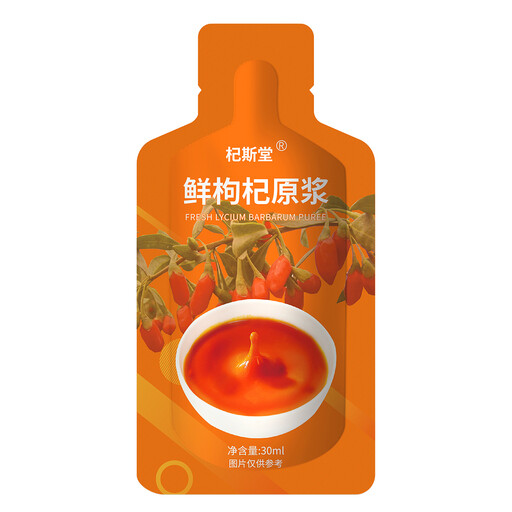
Why This Fits Their Persona: Individual pouches work for commuters, office workers and travellers who want a ready-to-eat goji berry purée or juice format without steeping or cooking.
The format is clearly identified as 30ml goji berry purée, rather than presenting a diluted multi-ingredient drink as dried fruit.
Ready to eat; individual portable pouch; made from fresh goji berries from Ningxia, according to the product description.
We have compiled a complete, real-time list of products that fully satisfy these strict selection criteria and UK safety regulations.
For tea, rinse dried berries briefly if directed, then soak them in hot water until softened. They can also be added to Chinese soups, congee, porridge, stews and desserts. Black goji berries have a darker colour and are also available as purée or in low-sugar goji drinks, but always compare the actual ingredient percentage and nutrition information.
Dried products are generally more suitable for batch cooking, while purée pouches and bottled goji berry drinks are designed for speed and portability. Select the format that matches how you will realistically use it.
In food retail, “wolfberries” commonly refers to goji berries, particularly dried Chinese goji berries. Packaging may use either term. Check the ingredient declaration, origin and preparation guidance to compare products consistently.
Keep them in a cool, dry place away from direct sunlight. After opening, use an airtight container where advised and follow the best-before and storage information printed on the packaging.
Not all of them. Some contain added sugar or naturally sweet fruit ingredients. For a low-sugar option, compare the “of which sugars” value per 100ml and check the full ingredients list before buying.