
24/7 Customer Support

Free returns

Same-day & Next-day Delivery

Quality Guaranteed

Unlock Your Welcome Offers: FREE Delivery | Up to 80% OFF | Free 30-day JoyPlus trial
Download the APP
For too long, the humble bean has been relegated to the back of the pantry, often associated with mushy textures and a faint metallic taste from a tin. If you're a home cook who values quality ingredients, you've likely felt the frustration of a lacklustre legume letting down an otherwise carefully crafted dish. The good news is that a new standard for beans has arrived.
This guide is for those looking to move beyond the standard supermarket tin and discover the world of gourmet beans. We'll explore what makes certain beans a cut above the rest and offer some practical advice to help you choose with confidence. These are the chef-quality legumes that can transform your everyday meals, from stews and salads to dips and sides.
Navigating the growing market for high-quality pantry staples can be tricky. Here are a few key things to consider when searching for superior jarred beans in the UK.
Not all beans are created equal. Mass-market beans are typically grown for high yield and uniformity, often at the expense of flavour and texture. Look for products that specify the use of heirloom beans. These are traditional, non-hybrid varieties that have been cultivated for generations, prized for their unique characteristics. A specific variety, like the Garbanzo Gordo chickpea, will almost always offer a more distinct and enjoyable eating experience than a generic, unnamed counterpart.
The biggest difference between standard and premium beans lies in how they are prepared. Tinned beans are usually flash-cooked at very high temperatures inside the can, which can result in a softer, often mushy, texture. In contrast, premium cooked beans are often slow-cooked in smaller batches before being packed. This gentler process helps the beans retain their individual shape, firm bite and creamy interior. Also, check the ingredients list. The finest options contain just beans, water and salt, meaning you get pure flavour with beans without preservatives like sodium metabisulphite.
Don't discard the liquid in the jar. With high-quality beans, this isn't just brine; it's often referred to as "bean stock." Because the beans are cooked slowly in this liquid, it becomes infused with flavour and starches, creating a savoury, viscous broth. This stock is a fantastic ingredient in its own right and can be used to add body and depth to soups, sauces or risottos.
Here are our standout selections for home cooks looking to elevate their pantry with exceptional, ready to eat beans.
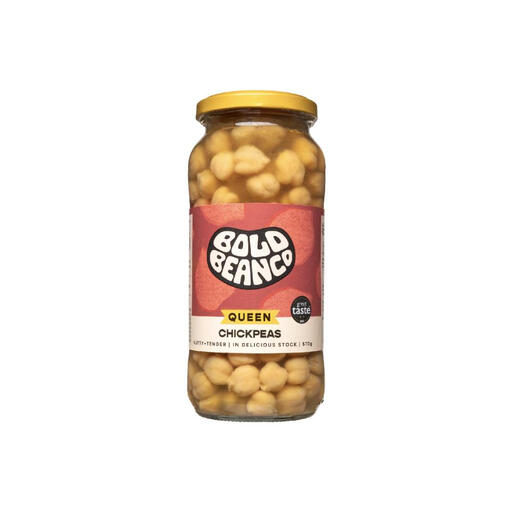
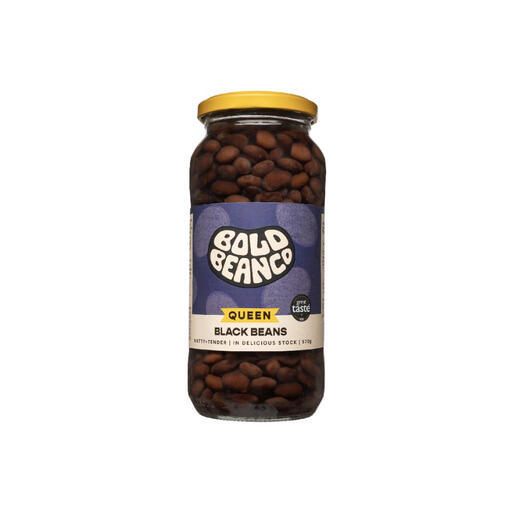
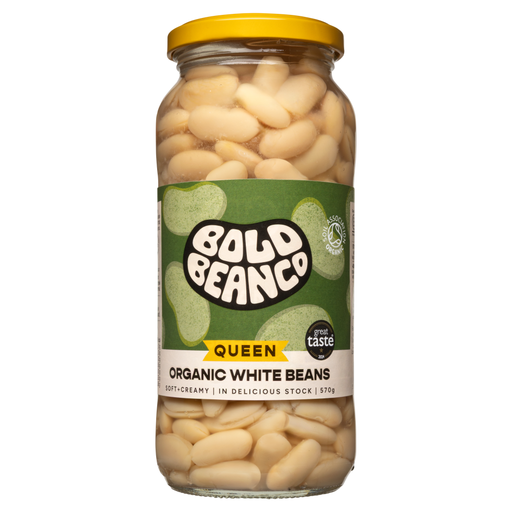
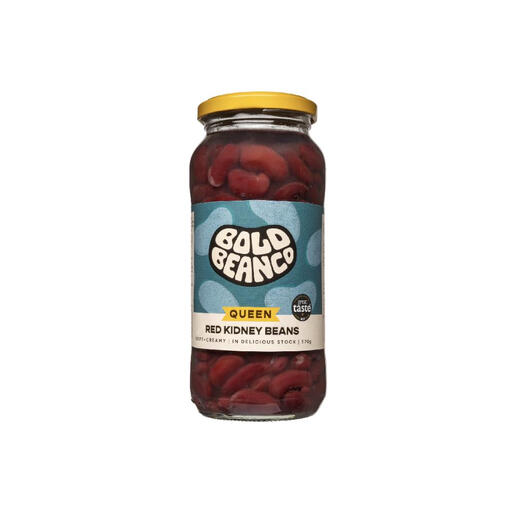
While these selections represent a fantastic starting point, the world of high-quality legumes is wonderfully diverse. If you're searching for other varieties like lentils, fava beans or different types of pulses to stock your pantry, there are many excellent choices available.
Discover more by browsing our full collection of vegan pulses.
Q: Are jarred beans better than tinned beans? A: Many people prefer jarred beans for several reasons. The glass packaging prevents any potential for a metallic aftertaste. Furthermore, premium jarred beans are often slow-cooked, which helps them retain a firmer, creamier texture compared to the high-heat pressure-canning process used for tins, which can sometimes make beans mushy.
Q: What are heirloom beans? A: Heirloom beans are from seeds that have been passed down through generations, cultivated for their unique traits like superior flavour, texture or colour. They are open-pollinated, meaning they rely on natural pollination. This is in contrast to modern hybrid beans, which are often bred primarily for high crop yields and disease resistance.
Q: Can you eat premium cooked beans straight from the jar? A: Yes. One of the main benefits of these ready to eat beans is their convenience. They are fully cooked and can be eaten cold directly from the jar, making them a great addition to salads or as a quick snack. You can also gently heat them or add them to simmering dishes. Remember to use the flavourful liquid in the jar as well.