
24/7 Customer Support

Free returns

Same-day & Next-day Delivery

Quality Guaranteed

Unlock Your Welcome Offers: FREE Delivery | Up to 80% OFF | Free 30-day JoyPlus trial
Download the APP
Bringing the quality of a high-end steakhouse or gourmet restaurant into your own home has become more accessible than ever. Yet, with so many options available, trying to buy premium beef online can feel overwhelming. How do you distinguish true quality from clever marketing? How can you be sure the cut you receive will deliver the exceptional dining experience you're planning for a special occasion?
As the Joybuy Product Recommendation Officer, my role is to help you navigate these choices. This guide is designed to provide clear, practical advice on selecting premium beef, followed by a few standout recommendations available for delivery across the UK. We focus on objective quality, provenance and the specific characteristics that make a cut suitable for creating restaurant quality steak at home.
Before you add anything to your basket, understanding a few key terms can make all the difference. Here are three points to consider when selecting your special occasion meat.
Not all beef is created equal, and the cut determines the cooking method. A dry-aged sirloin steak UK home cooks might seek is perfect for fast, high-heat searing to achieve a flavourful crust and tender interior. In contrast, cuts like short ribs, especially flanken cut ribs, are sliced thinly across the bone, making them ideal for quick grilling or marinating for dishes like Korean Galbi. Knowing how you plan to cook is the first step to choosing the right product.
Provenance—where the meat comes from—is a key indicator of quality. British beef, for instance, is raised under specific welfare standards. The animal's diet also plays a crucial role; a grass-fed beef delivery service will typically offer meat with a leaner profile and a more complex, earthy flavour. Marbling refers to the fine threads of intramuscular fat that melt during cooking, creating a juicy and flavourful result. For a truly luxurious experience, cuts like British wagyu short ribs are prized for their exceptionally high levels of marbling.
Reputable online suppliers often function as an online butcher London residents and others across the UK can trust. They provide detailed information about how the meat is prepared. This includes whether it has been dry-aged to concentrate its flavour and increase tenderness, or how it has been expertly butchered to optimise its texture. Look for clear descriptions of the process, as this reflects a commitment to quality.
Here are our recommendations, selected for their distinct characteristics and ability to deliver a memorable meal.
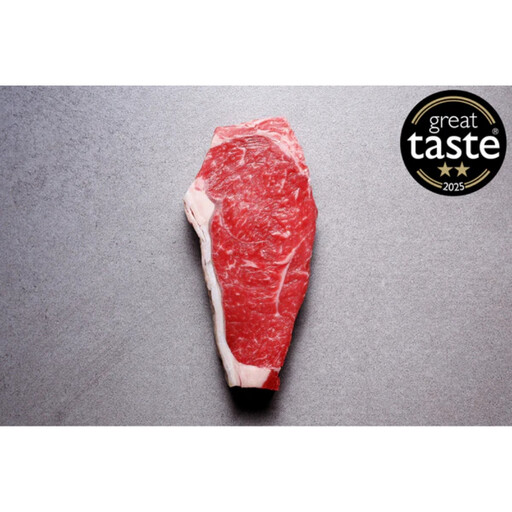


These selections represent just a fraction of the high-quality cuts available. If you are looking for a different type of steak, a larger roasting joint or other specialist cuts, there are many more choices to discover.
For a wider selection of premium cuts, explore our full Beef & Wild Boar collection.
1. What is the difference between grass-fed and grain-fed beef? Generally, grass-fed beef comes from cattle that have grazed on pasture for their entire lives. This often results in a leaner meat with a more pronounced, complex beef flavour. Grain-fed beef typically comes from cattle that are finished on a diet of grains, which promotes higher levels of marbling (intramuscular fat), leading to a richer, more buttery taste and texture.
2. Is it safe to buy premium beef online? Yes, provided you order from a reputable supplier. Trustworthy online meat purveyors use specialised, temperature-controlled packaging (like insulated boxes and ice packs) to ensure the product remains at a safe temperature throughout transit. They also use rapid delivery services and provide clear use-by dates and storage instructions, ensuring the meat arrives in prime condition.
3. How should I store gourmet beef once it's delivered? Upon arrival, you should immediately transfer the beef to your refrigerator. Store it on the bottom shelf to prevent any drips from contaminating other foods and keep it in its original vacuum-sealed packaging until you are ready to cook. Always adhere to the use-by date on the label. If you do not plan to use it within a day or two, it is often best to freeze it on the day of delivery to preserve its quality.